Why Does My Cat Knock Things Off Tables? The Science Behind Feline Behavior
If you’re a cat owner, you’ve probably witnessed the scene countless times: your feline friend deliberately pushes your coffee mug, phone, or keys right off the edge of a table, then stares at you with those innocent eyes. This seemingly destructive behavior isn’t your cat being spiteful—it’s actually rooted in fascinating evolutionary instincts and natural behaviors that make perfect sense once you understand the science behind it.
The Evolutionary Roots of Table-Clearing Behavior
When your cat is knocking things off tables, they’re actually displaying behaviors that helped their wild ancestors survive for thousands of years. In the wild, cats need to test objects in their environment to determine whether they’re prey, predator, or simply obstacles. This investigative behavior involves using their paws to poke, prod, and manipulate objects to gather crucial information.
Your domestic cat has inherited these same instincts, even though they no longer need to hunt for survival. The smooth surface of your dining table, combined with interesting objects placed on top, creates the perfect scenario for your cat to engage in this natural exploratory behavior.
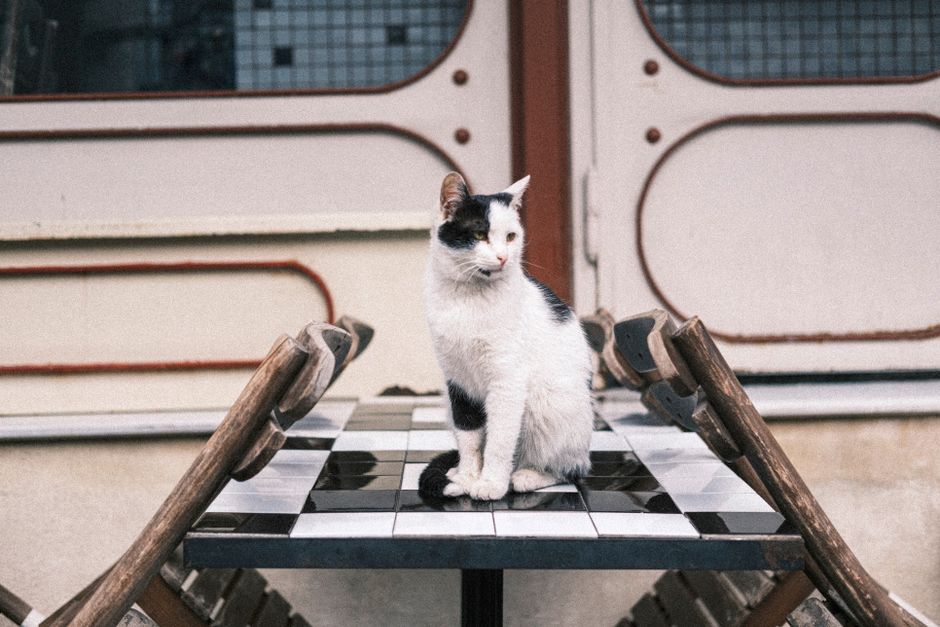
Understanding the Science Behind Cat Behavior Explained
Sensory Investigation
Cats rely heavily on their sense of touch to understand their world. Their paw pads are incredibly sensitive, containing numerous nerve endings that help them gather information about texture, temperature, and movement. When your cat pushes an object with their paw, they’re conducting a thorough sensory investigation.
This behavior is particularly pronounced with unfamiliar objects. Your cat’s brain is wired to be curious about new items in their territory, and the most efficient way to learn about something is to interact with it directly.
Prey Drive and Hunting Instincts
Many household objects trigger your cat’s prey drive, especially items that are small, lightweight, or make interesting sounds when moved. Pens, jewelry, small electronics, and other common table items can easily be mistaken for potential prey. When your cat knocks these items off the table, they’re essentially “capturing” them and bringing them down to ground level where they can be properly “hunted.”
Attention-Seeking and Social Behavior
Let’s be honest—when your cat knocks something off the table, you probably react immediately. Whether you rush over to pick up the item, scold your cat, or simply look in their direction, you’re giving them exactly what they want: attention.
Cats are intelligent creatures who quickly learn which behaviors get responses from their humans. If knocking items off tables consistently gets your attention, your cat will continue this behavior as a reliable way to interact with you.
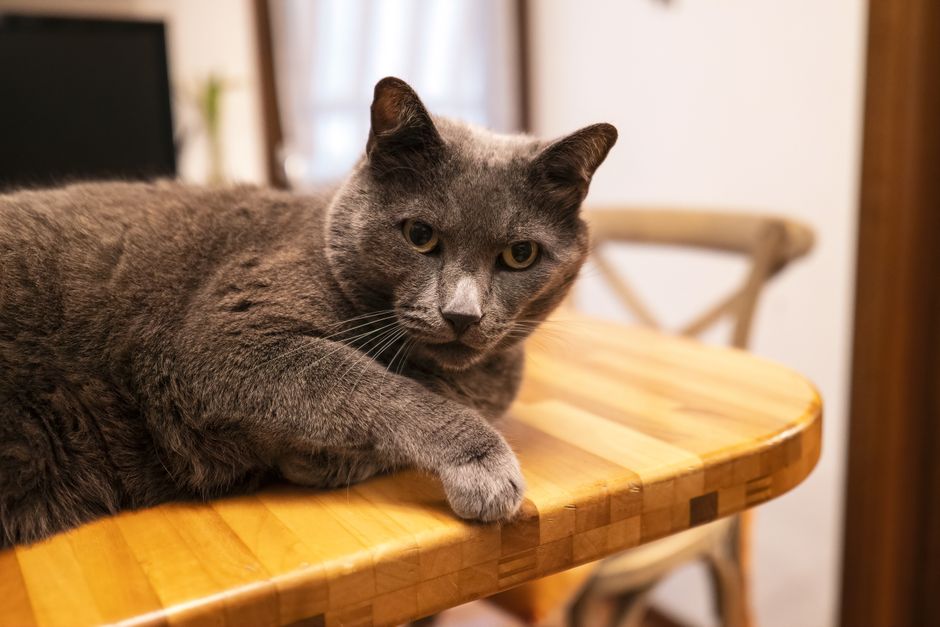
Territorial Marking and Control
Tables and elevated surfaces are prime real estate in your cat’s territory. By moving or removing objects from these surfaces, your cat is essentially rearranging their environment to their liking. This behavior demonstrates their desire to control their space and ensure everything is arranged according to their preferences.
Environmental Factors That Encourage This Behavior
Several environmental factors can make your cat more likely to knock things off tables:
Boredom and lack of stimulation: Cats who don’t have enough mental and physical enrichment in their daily routine are more likely to create their own entertainment by interacting with household objects.
Stress or anxiety: Changes in routine, new environments, or other stressors can cause cats to engage in more exploratory or attention-seeking behaviors.
High-traffic surfaces: Tables and counters where family members frequently place items become particularly interesting to cats because of the constant introduction of new objects and scents.
Practical Solutions to Redirect This Behavior
Provide Alternative Entertainment
The most effective way to reduce table-clearing behavior is to give your cat more appropriate outlets for their natural instincts. Invest in interactive toys, puzzle feeders, and rotating toy selections to keep your cat mentally stimulated throughout the day.
Consider setting up a designated “cat table” with items your pet is allowed to knock around freely. This gives them a sanctioned space to engage in their natural behaviors without destroying your belongings.
Environmental Management
Prevention is often the best strategy. Keep valuable or breakable items in drawers or cabinets rather than leaving them on tables and counters. Use drawer organizers and storage solutions to maintain a clutter-free environment that’s less tempting for your curious cat.
Double-sided tape or aluminum foil on table surfaces can deter some cats, as most dislike the texture on their paws.
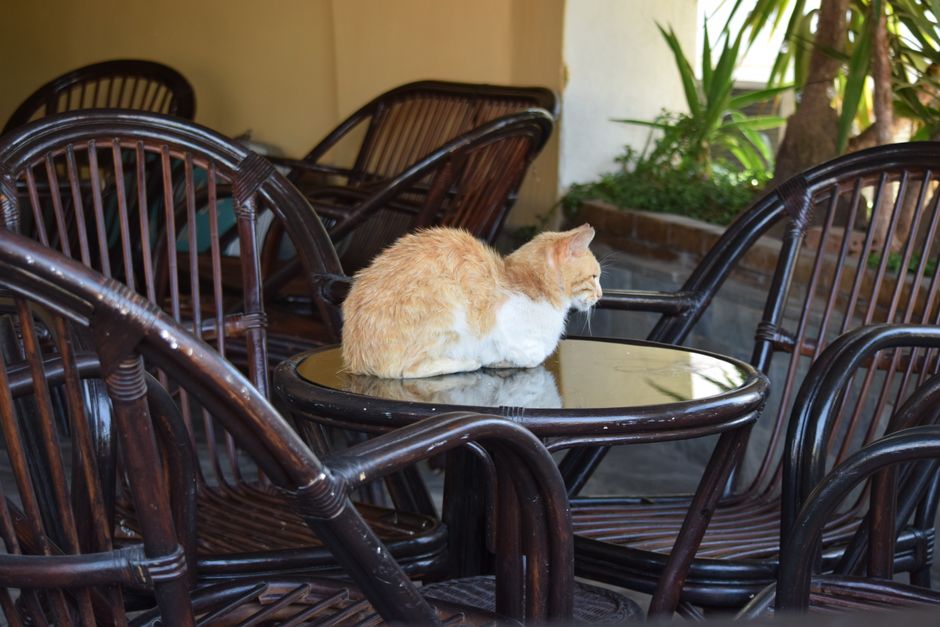
Positive Reinforcement Training
When you catch your cat approaching a table without knocking anything off, reward them with treats or affection. This positive reinforcement helps them understand which behaviors you appreciate.
Avoid giving attention immediately when your cat knocks items off tables. Instead, calmly clean up the mess without interacting with your pet, then engage with them later during appropriate play time.
When to Be Concerned
While occasional table-clearing is normal feline behavior, sudden increases in this activity could indicate underlying issues. If your cat dramatically increases their destructive behavior, consider consulting your veterinarian to rule out medical problems or discuss behavioral modification strategies.
Excessive attention-seeking behaviors might also indicate that your cat needs more interactive play time or environmental enrichment in their daily routine.
Living Harmoniously With Your Curious Cat
Understanding why your cat knocks things off tables is the first step toward creating a harmonious living situation for both of you. Remember that this behavior isn’t malicious—it’s simply your cat being a cat. By providing appropriate outlets for their natural instincts, managing your environment thoughtfully, and using positive reinforcement training, you can significantly reduce unwanted table-clearing incidents while still allowing your feline friend to express their natural behaviors in acceptable ways. The key is finding the right balance between respecting your cat’s instincts and protecting your belongings.