The Viral ‘Puppy Dog Eyes’ Look: Science Explains Why It Melts Your Heart
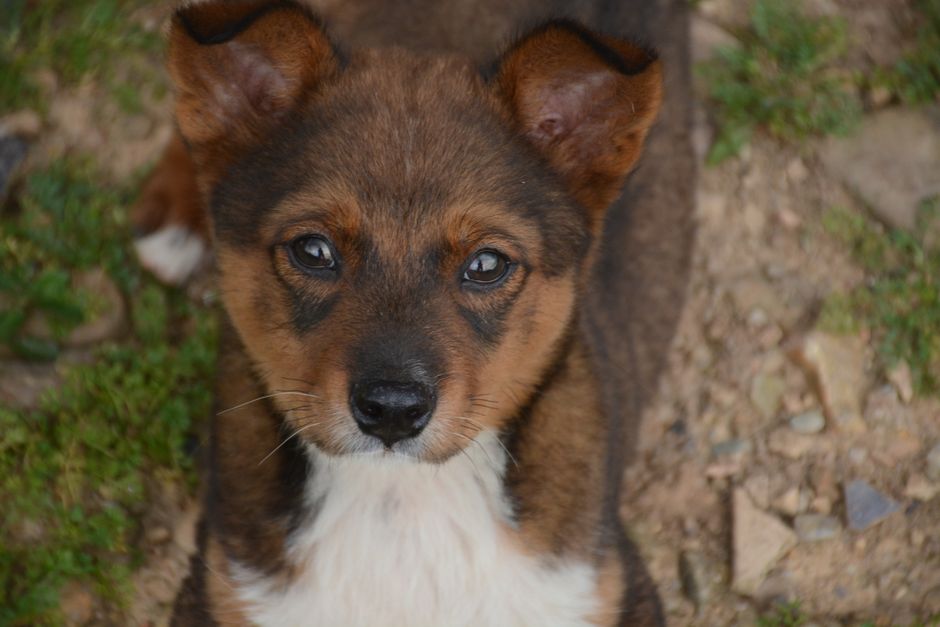
We’ve all been there – your furry companion gazes up at you with those impossibly sweet, pleading eyes that seem to say “please, just one more treat?” That irresistible puppy dog eyes expression has been melting hearts for thousands of years, but did you know there’s actual science behind why it works so perfectly? Recent research reveals that dogs have literally evolved to master this heart-melting look, developing specific facial muscles that wolves don’t possess. Understanding the fascinating science behind your dog’s most persuasive expression will not only satisfy your curiosity but also help you become a more informed and responsive pet parent.

The Evolution of Puppy Dog Eyes: A Scientific Breakthrough
The science behind puppy dog eyes is more remarkable than most pet owners realize. In 2019, groundbreaking research published in the Proceedings of the National Academy of Sciences discovered that domestic dogs have evolved a specific facial muscle that their wolf ancestors lack entirely. This muscle, called the levator anguli oculi medialis, allows dogs to raise their inner eyebrows and create that distinctive wide-eyed, vulnerable expression we find so irresistible.
Dr. Juliane Kaminski and her research team at the University of Portsmouth compared the facial anatomy of dogs and wolves, finding that this evolutionary adaptation occurred over approximately 33,000 years of domestication. The muscle development represents one of the fastest documented facial changes in mammalian evolution, highlighting just how powerful the human-dog bond has been in shaping canine biology.
Why Your Brain Can’t Resist Those Eyes
The effectiveness of dog facial expressions, particularly the puppy dog eyes look, lies in how our brains are wired to respond to infant-like features. This phenomenon, called the “baby schema” or “kindchenschema,” triggers an automatic caregiving response in humans. When dogs raise their inner eyebrows, they create larger-appearing eyes that mimic the proportions we associate with human babies.
Neurological studies show that viewing these expressions activates the same brain regions involved in parental care, flooding our systems with oxytocin – often called the “love hormone.” This biological response explains why dogs make sad eyes so effectively: they’re literally hijacking our parental instincts.

The Communication Masterclass: How Dogs Perfect Their Expression
Understanding puppy dog eyes science reveals that dogs are incredibly sophisticated communicators. Research indicates that dogs produce this expression significantly more when humans are looking at them, suggesting they understand its communicative value. This isn’t just an automatic response – it’s a deliberate social strategy.
Reading the Different Types of Dog Eye Expressions
Not all dog eye expressions are created equal. Here’s how to decode what your dog is really communicating:
- The Classic Puppy Dog Eyes: Raised inner eyebrows with direct eye contact usually indicates a request or desire for attention
- Soft, Squinty Eyes: Often called “smiling eyes,” this expression typically shows contentment and relaxation
- Wide Eyes with Visible Whites: This can indicate stress, fear, or overstimulation and requires different handling
- Prolonged Direct Stare: In dog language, this can be confrontational, though context matters significantly
Practical Tips for Pet Parents: Responding Appropriately to Puppy Dog Eyes
Now that you understand the science behind those irresistible expressions, here are practical strategies for responding appropriately:
When to Give In (And When Not To)
While it’s tempting to cave every time your dog deploys the puppy dog eyes technique, consistency in training is crucial. Consider these guidelines:
- Reward calm behavior: If your dog is sitting quietly and making gentle eye contact, this is often appropriate for positive reinforcement
- Ignore demanding expressions: If the puppy dog eyes come with whining, pawing, or other pushy behaviors, wait for calm before responding
- Use scheduled treat times: Instead of random treats triggered by cute expressions, establish regular times for special rewards
- Redirect to training: When your dog gives you those eyes, ask for a simple command like “sit” or “stay” before providing attention or treats
Strengthening Your Bond Through Eye Contact
The mutual gaze between humans and dogs releases oxytocin in both species, strengthening your bond. Here’s how to use this knowledge positively:
- Practice gentle eye contact during calm moments to build trust and connection
- Use eye contact as part of training by rewarding your dog for looking at you when called
- Respect your dog’s comfort level – some dogs find prolonged eye contact stressful
- Pay attention to context – a dog showing whale eye (whites visible) needs space, not engagement
The Bigger Picture: What This Science Means for Dog-Human Relationships
Understanding dog facial expressions and the science behind puppy dog eyes offers valuable insights into the remarkable co-evolution of humans and dogs. This research demonstrates that our relationship with dogs has been so significant that it’s literally shaped their anatomy over thousands of years.
This knowledge can make us better pet parents by helping us recognize that our dogs are constantly communicating with us through sophisticated facial expressions. By learning to read and appropriately respond to these signals, we can build stronger, more understanding relationships with our canine companions.
Conclusion: Appreciating the Art and Science of Puppy Dog Eyes
The next time your dog looks up at you with those perfectly executed puppy dog eyes, you’ll know you’re witnessing thousands of years of evolutionary refinement at work. The science behind this expression reveals the incredible depth of the human-dog relationship and explains why these looks are so universally effective at melting our hearts.
Rather than feeling manipulated by your dog’s mastery of facial expressions, appreciate it as evidence of the remarkable communication system that has developed between our species. Use this understanding to respond thoughtfully to your dog’s communications, building an even stronger bond based on mutual understanding and respect. After all, those puppy dog eyes aren’t just cute – they’re a testament to one of nature’s most successful partnerships.