Signs Your Cat Is Stressed and How to Help Them Feel Better
As a devoted cat parent, you know your feline friend better than anyone. But when your usually purring companion starts acting differently, it can be puzzling and concerning. Just like humans, cats experience stress, and recognizing the cat stress signs early can make all the difference in your pet’s wellbeing. Whether it’s a recent move, a new pet in the house, or changes in routine, understanding stressed cat behavior and learning how to calm cat anxiety will help you create a peaceful environment where your furry friend can thrive.
Understanding Why Cats Get Stressed
Cats are creatures of habit who thrive on predictability and control over their environment. When their carefully ordered world gets disrupted, stress naturally follows. Common triggers include environmental changes like moving homes, introducing new pets or family members, loud noises, changes in feeding schedules, or even rearranging furniture. Medical issues, lack of mental stimulation, and overcrowded living conditions can also contribute to feline anxiety.
Unlike dogs, cats are masters at hiding their discomfort, making it crucial for pet owners to stay alert to subtle behavioral shifts. Recognizing these early warning signs can prevent stress from escalating into serious health or behavioral problems.

Physical Signs Your Cat Is Stressed
Changes in Eating Habits
One of the most noticeable cat stress signs involves appetite changes. A stressed cat might suddenly lose interest in their favorite treats, eat significantly less, or conversely, stress-eat more than usual. Some cats may eat too quickly and then vomit, while others might become extremely picky about their food.
Litter Box Issues
When cats feel anxious, they often express it through inappropriate elimination. You might notice your cat urinating or defecating outside the litter box, even if they’ve been perfectly house-trained for years. Sometimes, stressed cats will use the litter box more frequently than normal, or you might observe changes in their waste consistency.
Excessive Grooming or Lack of Grooming
Stressed cats may obsessively groom themselves, leading to bald patches, skin irritation, or even open wounds. On the flip side, some anxious cats stop grooming altogether, resulting in a matted, unkempt coat. Both extremes indicate your cat is struggling to cope with stress.
Behavioral Signs of Feline Stress
Hiding and Withdrawal
If your normally social cat suddenly starts spending all day under the bed or in closets, this classic stressed cat behavior signals they’re feeling overwhelmed. Cats instinctively seek small, enclosed spaces when they feel vulnerable or anxious.
Increased Vocalization or Unusual Silence
Some stressed cats become extremely vocal, yowling, crying, or meowing more than usual, especially during nighttime hours. Conversely, typically chatty cats might become unusually quiet when experiencing stress.
Aggression or Fearfulness
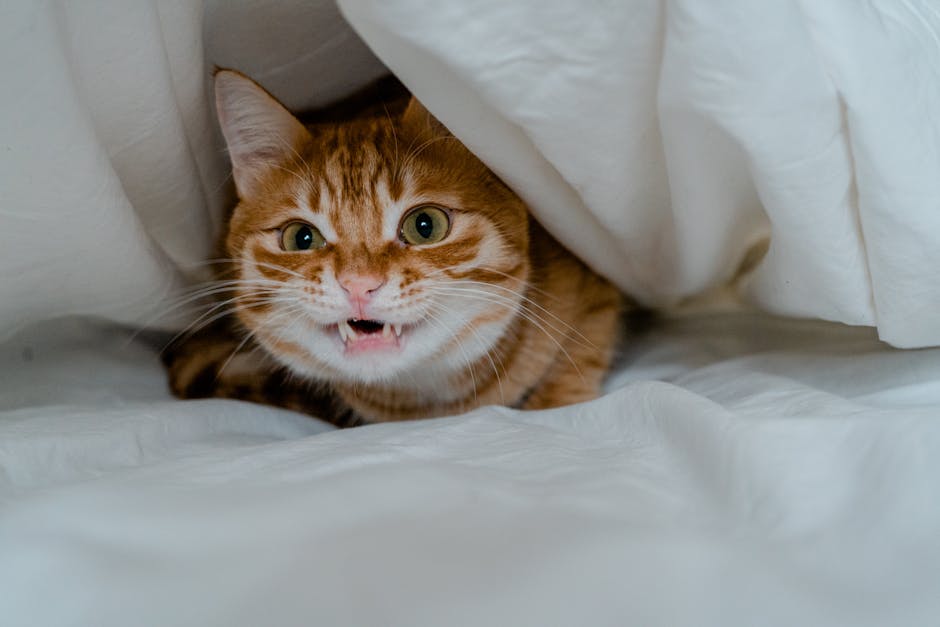
Stress can manifest as increased aggression toward humans, other pets, or even inanimate objects. You might notice hissing, swatting, or biting behaviors that seem to come out of nowhere. Alternatively, confident cats might become unusually skittish or fearful.
Destructive Behaviors
Scratching furniture excessively, knocking items off surfaces, or engaging in other destructive activities can indicate your cat is trying to cope with stress through physical outlets.
How to Calm Cat Stress: Effective Solutions
Create a Safe Haven
Establish a quiet, comfortable space where your cat can retreat when feeling overwhelmed. This might be a spare bedroom, a cozy corner with their favorite blanket, or even a cat tree placed away from household traffic. Ensure this space includes fresh water, food, and a clean litter box.
Maintain Consistent Routines
Cats find comfort in predictability. Feed your cat at the same times daily, maintain regular play sessions, and try to keep their environment as stable as possible. When changes are unavoidable, introduce them gradually whenever possible.
Environmental Enrichment
Mental stimulation is crucial for reducing feline stress. Provide puzzle feeders, rotating toys, scratching posts, and perching spots near windows. Interactive play sessions help cats release pent-up energy and anxiety while strengthening your bond.
Use Calming Aids
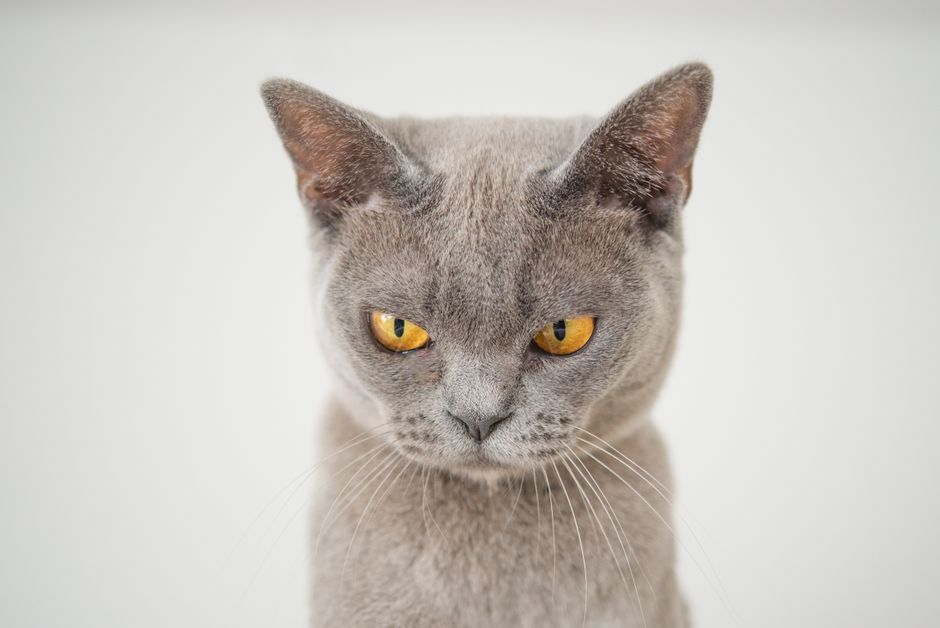
Several products can help how to calm cat anxiety naturally. Feliway diffusers release synthetic pheromones that mimic calming cat facial pheromones. Calming treats, herbal supplements, and anxiety wraps can also provide relief for mildly stressed cats.
Address Medical Issues
Schedule a veterinary checkup to rule out underlying health problems that might be causing or contributing to stress. Pain, illness, or hormonal imbalances can manifest as behavioral changes that mimic stress symptoms.
When to Seek Professional Help
If your cat’s stress symptoms persist despite your efforts, or if they’re exhibiting severe behaviors like complete loss of appetite, aggression, or elimination problems lasting more than a few days, consult your veterinarian. They might recommend anti-anxiety medications, refer you to a veterinary behaviorist, or suggest additional medical testing.
Remember that some stressed cat behavior patterns require professional intervention, especially if they’re affecting your cat’s health or quality of life significantly.
Prevention: Keeping Your Cat Stress-Free
The best approach to managing cat stress is prevention. Socialize kittens early, maintain stable routines, provide adequate resources (multiple litter boxes, feeding stations, and resting areas in multi-cat households), and create an enriching environment that satisfies your cat’s natural instincts.
Regular veterinary checkups, proper nutrition, and plenty of positive interaction with family members also contribute to your cat’s overall emotional wellbeing.
Conclusion
Recognizing cat stress signs and understanding stressed cat behavior empowers you to help your feline companion navigate life’s challenges more successfully. Remember that every cat is unique, and what works for one might not work for another. Patience, observation, and consistent care are your best tools for learning how to calm cat anxiety effectively. By creating a stable, enriching environment and responding promptly to signs of distress, you’re giving your cat the best chance at living a happy, stress-free life. When in doubt, don’t hesitate to consult with your veterinarian – your cat’s mental health is just as important as their physical wellbeing.