Why Does My Cat Throw Up After Eating? 7 Common Causes and Solutions
As a devoted cat parent, few things are more concerning than watching your feline friend vomit right after mealtime. If you’ve ever wondered “why does my cat throw up after eating,” you’re not alone. This frustrating and worrying behavior affects countless cats worldwide, leaving pet owners searching for answers and solutions. The good news is that cat vomiting after eating is often preventable once you understand the underlying causes. From eating habits to medical conditions, there are several reasons why your cat throws up food, and most can be addressed with simple changes to their routine or environment.
Understanding the Difference: Vomiting vs. Regurgitation
Before diving into the causes, it’s important to distinguish between vomiting and regurgitation. When cats vomit, they actively contract their abdominal muscles, often accompanied by retching sounds. The expelled material is typically partially digested and may contain bile. Regurgitation, on the other hand, is a passive process where undigested food comes back up shortly after eating, often in a tubular shape that matches your cat’s esophagus.
7 Common Causes of Post-Meal Vomiting in Cats
1. Eating Too Fast (Scarf and Barf Syndrome)
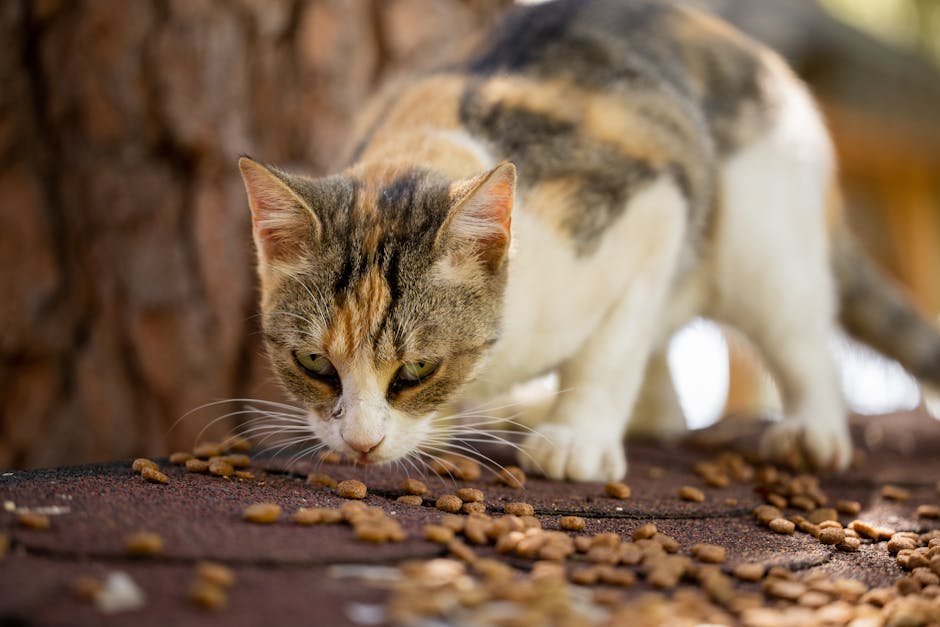
The most common reason cats throw up food immediately after eating is simply consuming their meal too quickly. When cats eat too fast, they don’t properly chew their food and may swallow excess air, leading to regurgitation or vomiting within minutes of finishing their meal. This behavior is often seen in multi-cat households where food competition exists, or in cats with a history of food insecurity.
2. Food Allergies or Sensitivities
Food allergies and intolerances can cause your cat to vomit after eating specific ingredients. Common culprits include beef, dairy, fish, and certain grains. Unlike immediate post-meal vomiting from eating too fast, allergy-related vomiting may occur hours after eating and is often accompanied by other symptoms like diarrhea, skin irritation, or excessive grooming.
3. Dietary Changes
Sudden changes in your cat’s diet can upset their digestive system and cause vomiting. Cats have sensitive stomachs that need time to adjust to new proteins, textures, or ingredients. Switching foods too quickly without a gradual transition period is a common cause of digestive upset.
4. Overeating
Some cats simply eat more than their stomach can comfortably hold. This is particularly common in cats that free-feed or have irregular meal schedules. When the stomach becomes overly distended, it may expel the excess food to relieve pressure.
5. Hairballs
While hairballs typically occur independent of meals, they can sometimes cause post-meal vomiting if hair accumulation interferes with normal digestion. Long-haired cats and excessive groomers are particularly prone to this issue.
6. Elevated Food Bowls or Feeding Position
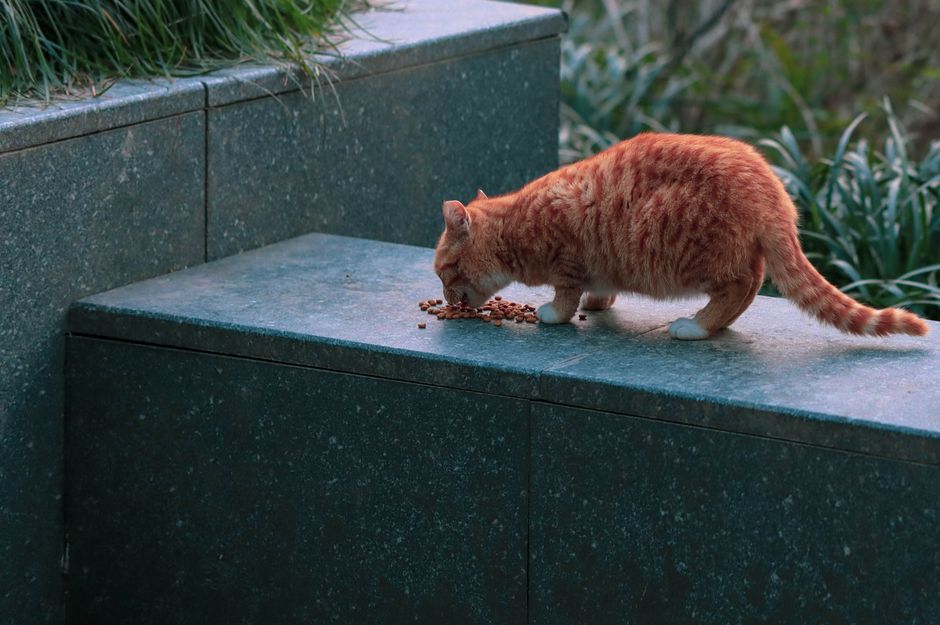
Believe it or not, the height and position of your cat’s food bowl can impact digestion. Some cats benefit from elevated feeders, while others do better eating from ground-level bowls. The wrong setup for your individual cat can contribute to post-meal vomiting.
7. Underlying Medical Conditions
Various health issues can cause cat vomiting after eating, including gastrointestinal diseases, inflammatory bowel disease, parasites, dental problems, or more serious conditions affecting the digestive tract. If vomiting persists despite dietary and environmental changes, a veterinary examination is essential.
Effective Solutions to Stop Post-Meal Vomiting
Slow Down Fast Eaters
If your cat eating too fast is the culprit, try these strategies:
- Use puzzle feeders or slow-feed bowls with ridges or obstacles
- Spread food across a large, flat plate or cookie sheet
- Feed smaller, more frequent meals throughout the day
- Place a large, clean stone or tennis ball in the food bowl to create obstacles
- Separate cats during meal times to reduce competition
Implement Proper Feeding Practices
Establish a consistent feeding routine with measured portions at the same times each day. This helps regulate your cat’s digestive system and prevents overeating. Consider feeding two to three smaller meals instead of one large meal to reduce stomach overload.
Gradual Diet Transitions
When changing your cat’s food, do so gradually over 7-10 days. Start by mixing 25% new food with 75% old food, then gradually increase the proportion of new food while decreasing the old food. This allows your cat’s digestive system to adjust properly.

Optimize the Feeding Environment
Create a calm, stress-free feeding environment. Feed cats separately if you have multiple pets, use appropriately sized bowls, and ensure the feeding area is quiet and comfortable. Some cats prefer glass or ceramic bowls over plastic, which can harbor bacteria and cause sensitivity reactions.
Address Hairball Issues
Regular grooming, especially for long-haired breeds, can reduce hairball formation. Consider hairball-control foods or treats, and ensure your cat stays well-hydrated to help hair pass through the digestive system more easily.
When to Consult Your Veterinarian
While occasional post-meal vomiting isn’t usually serious, certain signs warrant immediate veterinary attention:
- Vomiting persists despite dietary changes
- Blood in vomit or accompanying diarrhea
- Signs of dehydration or lethargy
- Loss of appetite lasting more than 24 hours
- Vomiting accompanied by abdominal pain
- Sudden onset of frequent vomiting
Prevention is Key
The best approach to managing cat vomiting after eating is prevention. Monitor your cat’s eating habits, maintain consistent meal schedules, and make environmental adjustments as needed. Keep a food diary to identify potential triggers and track improvements after implementing changes.
Conclusion
Understanding why your cat throws up after eating is the first step toward finding an effective solution. Whether your cat is eating too fast, dealing with food sensitivities, or facing underlying health issues, most cases of post-meal vomiting can be successfully managed with proper care and attention. Start with simple solutions like slow-feed bowls and smaller, more frequent meals, and don’t hesitate to consult your veterinarian if problems persist. With patience and the right approach, you can help your feline friend enjoy their meals without the unpleasant aftermath of vomiting, ensuring both of you can relax during and after mealtime.