My Dog Won’t Stop Licking Their Paws – When Should I Worry?
As a loving pet parent, watching your furry friend constantly lick their paws can be both concerning and frustrating. While occasional paw licking is perfectly normal grooming behavior, dog licking paws excessively often signals an underlying issue that needs attention. The good news? Most paw licking problems are treatable once you identify the root cause. Let’s explore when this common canine behavior crosses the line from normal to problematic, and what you can do to help your four-legged family member find relief.
Understanding Normal vs. Excessive Paw Licking
Dogs naturally lick their paws as part of their regular grooming routine, similar to how cats clean themselves. However, when this behavior becomes persistent, obsessive, or causes visible damage to their paws, it’s time to take notice.
Signs that your dog’s paw licking has become excessive include:
- Constant licking that interferes with daily activities
- Red, swollen, or irritated skin between toes
- Hair loss around the paw area
- Open sores or hot spots
- Brown staining on light-colored fur
- Limping or favoring one paw
- Unpleasant odor coming from the paws

Common Dog Paw Licking Causes
Allergies: The Leading Culprit
Environmental and food allergies top the list of dog paw licking causes. Your dog’s paws are like magnets for allergens, collecting pollen, grass, dust mites, and other irritants during walks and outdoor play. Food allergies can also manifest as itchy paws, making your dog seek relief through constant licking.
Common allergens include:
- Seasonal pollens (trees, grasses, weeds)
- Household dust and dust mites
- Certain proteins in dog food (chicken, beef, dairy)
- Cleaning products and chemicals
- Fabrics and carpeting materials
Infections and Medical Issues
Bacterial and fungal infections thrive in the warm, moist environment between your dog’s toes. Yeast infections are particularly common and often produce a distinct, corn chip-like odor. Other medical causes include:
- Bacterial infections from cuts or wounds
- Fungal infections (especially yeast)
- Parasites like mites or fleas
- Ingrown nails or nail injuries
- Foreign objects stuck between toes
- Arthritis or joint pain
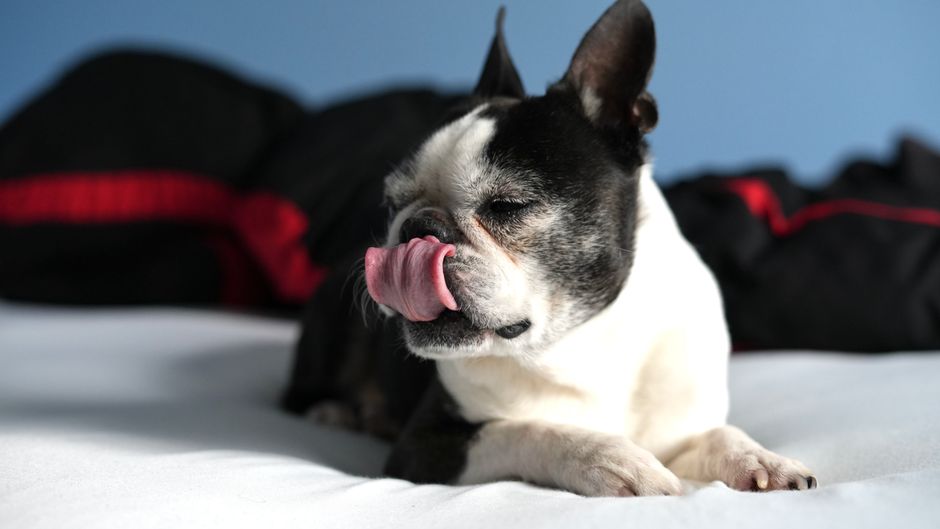
Behavioral and Psychological Factors
Sometimes, dog licking paws excessively stems from emotional rather than physical discomfort. Stress, anxiety, and boredom can trigger compulsive licking behaviors that persist even after any initial irritation has healed.
When to Seek Veterinary Care
While occasional paw licking rarely requires emergency intervention, certain situations warrant prompt veterinary attention:
Schedule an appointment within 24-48 hours if you notice:
- Swelling, redness, or discharge
- Bleeding or open wounds
- Strong, unpleasant odors
- Limping or obvious pain
- Sudden onset of intensive licking
Seek immediate veterinary care if:
- Your dog appears to be in severe pain
- There’s significant swelling or signs of infection
- You can see a foreign object embedded in the paw
- Your dog refuses to put weight on the affected paw
Effective Treatment and Management Strategies
At-Home Care Solutions
For mild cases without signs of infection, you can try several home remedies:
Daily Paw Cleaning: Rinse your dog’s paws with lukewarm water after walks to remove allergens and irritants. Dry thoroughly, paying special attention to the spaces between toes.
Epsom Salt Soaks: Soak affected paws in warm water with Epsom salt for 5-10 minutes to reduce inflammation and provide soothing relief.
Apple Cider Vinegar Rinse: Mix equal parts water and apple cider vinegar for a natural antifungal rinse, but avoid using on open wounds.
Professional Treatment Options
Your veterinarian may recommend various treatments depending on the underlying cause:
- Antihistamines or allergy medications for environmental sensitivities
- Antibiotics or antifungal medications for infections
- Medicated shampoos or topical treatments for skin conditions
- Dietary changes or elimination diets for food allergies
- Behavioral modification techniques for anxiety-related licking
Prevention Tips for Healthy Paws
Preventing excessive paw licking often involves simple but consistent care routines:
- Keep your dog’s nails trimmed to prevent ingrown nails and injuries
- Regularly inspect paws for cuts, thorns, or foreign objects
- Use pet-safe ice melt and avoid harsh chemicals on walkways
- Provide adequate mental stimulation to prevent boredom-related behaviors
- Maintain a consistent, high-quality diet to support overall health
- Keep your dog’s living environment clean and allergen-free when possible
Understanding Your Dog’s Individual Needs
Remember that every dog is unique, and what works for one may not work for another. Some breeds, particularly those with allergies or skin sensitivities, may require ongoing management rather than a one-time fix. Patience and consistency in treatment approaches often yield the best results.
Pay attention to patterns in your dog’s licking behavior. Does it worsen during certain seasons? After specific activities? Following dietary changes? These observations can provide valuable clues to help your veterinarian determine the most effective treatment plan.
Conclusion
While discovering that your dog won’t stop licking their paws can be worrying, most cases of excessive paw licking are manageable with proper care and attention. The key lies in identifying whether the behavior stems from allergies, infections, injuries, or behavioral issues. By understanding the common dog paw licking causes and knowing when to seek professional help, you can ensure your beloved companion gets the relief they need. Remember, early intervention often leads to faster resolution and prevents minor issues from becoming major problems. Your dog’s comfort and health are worth the investment in proper diagnosis and treatment, leading to happier paws and a happier pup.