Why Does My Cat Stare at Me? Decoding Your Feline’s Intense Gaze
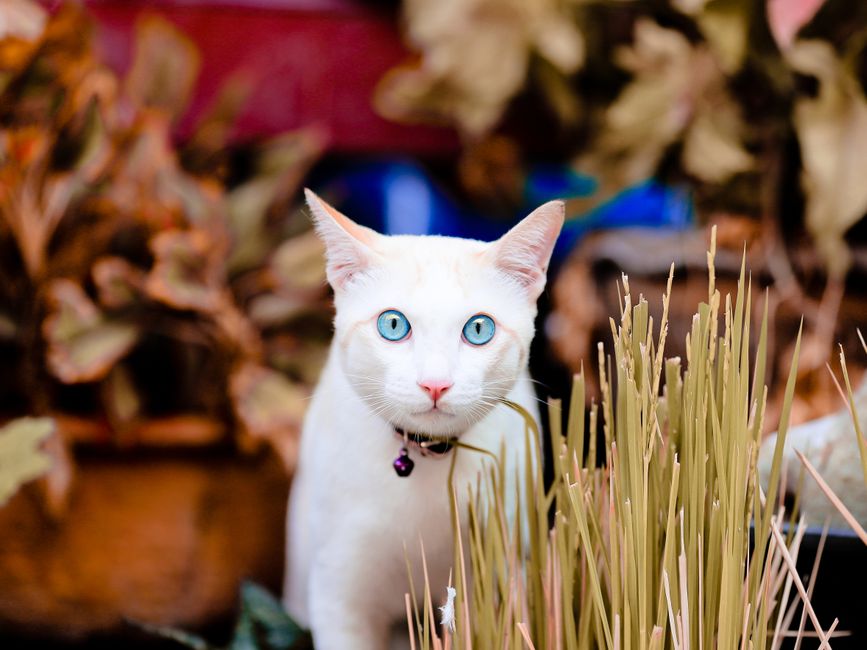
Have you ever looked up from your book, laptop, or morning coffee to find your cat’s piercing eyes locked onto yours with laser-like focus? If you’re a cat owner, you’ve undoubtedly experienced this mesmerizing phenomenon. That intense feline gaze can feel mysterious, endearing, or sometimes even a little unnerving. Understanding your cat’s staring behavior is key to deepening your bond and interpreting what your furry friend is really trying to communicate through their captivating eyes.
The Science Behind Cat Staring Behavior
Cat staring behavior isn’t just random—it’s a complex form of feline body language rooted in evolutionary instincts and social communication. Unlike dogs, who often view direct eye contact as confrontational, cats use staring as a multifaceted communication tool. Their large, forward-facing eyes evolved for hunting, making them naturally inclined to focus intently on objects of interest—and yes, that includes you!
When your cat stares at you, they’re processing information about your mood, intentions, and potential actions. Cats are incredibly observant creatures who have learned to read human behavior patterns over thousands of years of domestication. This intense focus allows them to predict when you might feed them, play with them, or simply provide the attention they crave.

Common Reasons Why Cats Stare at Their Humans
Affection and Bonding
One of the most heartwarming reasons behind your cat’s staring behavior is pure love and affection. Cats often engage in what animal behaviorists call “slow blinking” or “cat kisses” while staring at their favorite humans. If your cat stares at you with half-closed eyes and slowly blinks, they’re expressing trust and contentment. This feline body language is equivalent to a warm hug in the cat world.
Food-Related Expectations
Let’s be honest—cats are masters of timing, especially when it comes to meals. If your cat stares at you around feeding time or while you’re in the kitchen, they’re likely communicating their hunger or anticipation for treats. This behavior becomes reinforced when staring successfully results in food, creating a learned pattern that many cat owners find both amusing and effective.
Seeking Attention or Interaction
Cats are more social than many people realize, and staring can be their way of initiating interaction. Your feline friend might be hoping for pets, playtime, or simply acknowledgment. This type of staring often comes with additional body language cues like purring, head butting, or positioning themselves directly in your line of sight.
Curiosity and Environmental Monitoring
Cats are naturally curious creatures with strong territorial instincts. Your cat might stare at you simply because you’re doing something interesting or unusual. They’re constantly monitoring their environment for changes, and your activities are part of their world that deserves investigation.
Health-Related Communication
Sometimes, persistent staring can indicate that your cat isn’t feeling well or needs something specific. Cats experiencing discomfort, illness, or stress may stare more intensely as a way to communicate their needs. Pay attention to accompanying signs like changes in appetite, litter box habits, or energy levels.
Reading the Context: Decoding Feline Body Language
Understanding cat staring behavior requires looking at the complete picture of feline body language. A relaxed cat with soft eyes, a gentle expression, and a still or slowly swishing tail is likely showing affection or contentment. Conversely, a cat with dilated pupils, flattened ears, or a twitching tail might be feeling anxious, overstimulated, or defensive.
The duration and intensity of the stare also matter. Brief, soft gazes typically indicate positive emotions, while prolonged, unblinking stares might signal something more urgent or concerning. Learning to read these subtle differences will help you respond appropriately to your cat’s communication attempts.
How to Respond to Your Cat’s Staring
Positive Reinforcement Techniques
When your cat stares at you with obvious affection, reciprocate with slow blinks of your own. This feline body language technique shows your cat that you understand and return their feelings. You can also speak softly, offer gentle pets, or engage in interactive play to strengthen your bond.
Setting Healthy Boundaries
If your cat’s staring behavior becomes excessive or demanding, it’s important to establish boundaries. Avoid immediately responding to every stare with food or attention, as this can create pushy or attention-seeking behaviors. Instead, reward calm, polite behavior and ignore overly demanding staring.

Addressing Concerning Behaviors
If your cat’s staring suddenly changes in intensity, frequency, or is accompanied by other behavioral changes, consult your veterinarian. Sudden changes in feline body language or behavior patterns can sometimes indicate underlying health issues that require professional attention.
Building a Stronger Bond Through Understanding
Recognizing and appropriately responding to your cat’s staring behavior can significantly strengthen your relationship. Cats appreciate humans who take the time to understand their communication methods. By learning to interpret their various gazes, you’re showing respect for their intelligence and emotional complexity.
Create positive associations with eye contact by pairing gentle staring sessions with pleasant experiences like treats, pets, or play. This helps reinforce the social bonding aspect of cat staring behavior while making these interactions enjoyable for both of you.
When to Seek Professional Advice
While most cat staring behavior is perfectly normal, certain situations warrant professional consultation. Contact your veterinarian if your cat exhibits sudden changes in staring patterns, seems to stare at nothing repeatedly, shows signs of vision problems, or displays concerning behaviors alongside their staring habits.
Conclusion
Your cat’s intense gaze is far more than just a curious quirk—it’s a sophisticated form of communication that reflects their intelligence, emotional depth, and connection to you. By understanding the various motivations behind cat staring behavior and learning to interpret feline body language, you’ll become a better pet parent and strengthen the special bond you share with your feline companion. Remember that each cat is unique, so take time to learn your individual pet’s communication style. The next time those mesmerizing eyes lock onto yours, you’ll be better equipped to understand exactly what your cat is trying to tell you.