Is My Dog Having Seizures? Warning Signs Every Pet Owner Should Know
As a devoted pet parent, few things are more frightening than watching your beloved dog experience what might be a seizure. The confusion, helplessness, and panic that follow can be overwhelming. Understanding dog seizures symptoms and recognizing the warning signs is crucial for every pet owner, as early detection can make a significant difference in your furry friend’s quality of life and treatment outcomes. While seizures in dogs can be alarming, being informed and prepared empowers you to act quickly and seek appropriate veterinary care when needed.
Understanding Dog Seizures: What Every Pet Owner Needs to Know
Dog seizures are abnormal electrical activities in the brain that cause temporary changes in behavior, movement, or consciousness. These episodes can range from subtle behavioral changes to dramatic convulsions. Seizures affect dogs of all ages, breeds, and sizes, though certain breeds like German Shepherds, Beagles, and Golden Retrievers may be more predisposed to epilepsy.
It’s important to understand that a single seizure doesn’t necessarily indicate epilepsy. Various factors can trigger seizures, including toxins, infections, metabolic disorders, brain tumors, or genetic predisposition. Recognizing dog seizures symptoms early helps veterinarians determine the underlying cause and develop an appropriate treatment plan.
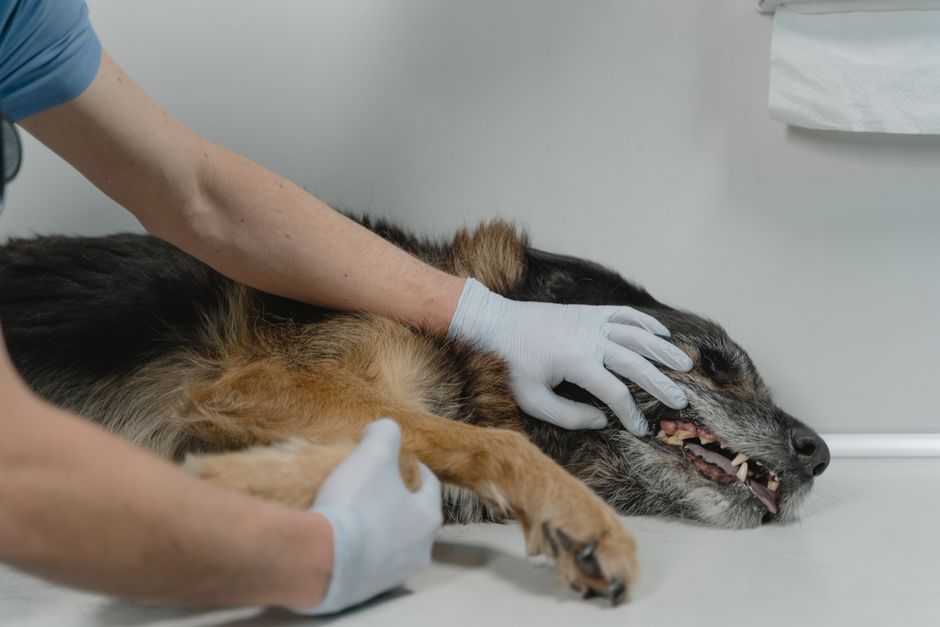
Common Dog Seizures Symptoms to Watch For
Pre-Seizure Warning Signs (Aura Phase)
Before a full seizure occurs, many dogs experience subtle warning signs that attentive pet owners can learn to recognize:
- Behavioral changes: Unusual restlessness, anxiety, or clingy behavior
- Physical signs: Excessive drooling, panting, or trembling
- Disorientation: Appearing confused or seeking hiding spots
- Attention-seeking: Unusual demands for comfort or following you around
These pre-seizure symptoms can occur minutes to hours before the actual seizure, giving you valuable time to prepare and ensure your dog’s safety.
Active Seizure Symptoms
During the seizure itself, dog seizures symptoms can vary significantly depending on the type and severity:
- Generalized seizures: Full-body convulsions, rigid muscles, paddling motions with legs
- Focal seizures: Localized muscle twitching, facial spasms, or abnormal movements in one area
- Loss of consciousness: Your dog may appear unaware of surroundings
- Involuntary bodily functions: Urination, defecation, or excessive salivation
- Vocalization: Unusual whining, howling, or crying sounds

Post-Seizure Recovery Signs
After a seizure, dogs typically experience a recovery period called the postictal phase. Understanding these warning signs helps you provide appropriate care:
- Disorientation and confusion: Your dog may seem lost or not recognize familiar surroundings
- Temporary blindness or hearing loss: Brief sensory impairments are common
- Extreme fatigue: Most dogs will sleep deeply after a seizure
- Increased appetite or thirst: Compensating for energy lost during the episode
- Pacing or restlessness: Some dogs may be unable to settle down immediately
When to Seek Emergency Veterinary Care
While witnessing dog seizures symptoms is always concerning, certain situations require immediate veterinary attention:
- First-time seizures: Any dog experiencing their first seizure needs prompt evaluation
- Seizures lasting over 5 minutes: Prolonged seizures can cause brain damage
- Multiple seizures in 24 hours: Cluster seizures require immediate treatment
- Difficulty breathing: Respiratory distress during or after seizures
- Status epilepticus: Continuous seizure activity without recovery periods
What to Do During Your Dog’s Seizure
Knowing how to respond when you notice warning signs or witness a seizure can protect both you and your pet:
Immediate Actions
- Stay calm: Your composure helps you think clearly and act appropriately
- Time the seizure: Note start and end times for veterinary records
- Clear the area: Remove furniture or objects that could cause injury
- Never restrain: Don’t hold your dog down or put anything in their mouth
- Record the episode: Video documentation helps veterinarians with diagnosis

Post-Seizure Care
After dog seizures symptoms subside, provide gentle, supportive care:
- Speak softly: Use calm, reassuring tones to help your dog reorient
- Provide comfort: Offer a quiet, dim environment for recovery
- Monitor closely: Watch for additional seizures or complications
- Offer water: Small amounts of fresh water if your dog is alert
Long-term Management and Prevention
If your dog is diagnosed with epilepsy or recurring seizures, understanding ongoing pet health management is essential:
- Medication compliance: Administer anti-seizure medications exactly as prescribed
- Routine monitoring: Regular blood work to check medication levels and organ function
- Trigger identification: Keep a seizure diary to identify potential triggers
- Stress reduction: Maintain consistent routines and minimize environmental stressors
- Diet considerations: Some dogs benefit from specialized diets or supplements
Supporting Your Dog’s Overall Pet Health
Beyond managing seizures, supporting your dog’s general pet health contributes to better outcomes:
- Regular exercise: Appropriate physical activity supports neurological health
- Mental stimulation: Puzzle toys and training exercises keep the brain active
- Quality nutrition: Well-balanced diets support overall brain function
- Preventive care: Stay current with vaccinations and parasite prevention
Conclusion: Empowering Pet Parents Through Knowledge
Recognizing dog seizures symptoms and understanding the warning signs empowers you to be your pet’s best advocate. While seizures can be frightening, many dogs with epilepsy live full, happy lives with proper veterinary care and supportive families. Remember that early detection, accurate record-keeping, and prompt veterinary attention are your most powerful tools in managing your dog’s pet health.
Stay observant, trust your instincts, and never hesitate to contact your veterinarian when you have concerns. Your vigilance and love are invaluable components of your dog’s healthcare team, ensuring they receive the best possible care throughout their seizure management journey.