Why Does My Cat Knock Things Off Tables? Science Behind Feline Behavior
You’re working peacefully at your desk when suddenly—crash! Your favorite coffee mug lies shattered on the floor, and there’s your cat, sitting innocently on the table with that unmistakable “I meant to do that” expression. If you’re a cat owner, this scenario probably sounds all too familiar. The mysterious case of cats knocking things off tables isn’t just random mischief—it’s actually a fascinating display of deeply ingrained feline instincts and behaviors that have kept cats thriving for thousands of years.
The Science Behind Your Cat’s Table-Clearing Antics
When your cat exhibits this seemingly destructive behavior of knocking things off tables, they’re actually following several powerful biological drives that are hardwired into their DNA. Understanding these motivations can help you appreciate why this cat knocking things off table behavior is so universal among our feline friends.
Hunting Instincts at Work
The primary reason cats knock objects off surfaces stems from their predatory instincts. In the wild, cats use their paws to test whether something is alive, dead, or potentially edible. That pen on your desk might not look like prey to you, but to your cat’s ancient brain, any small object could potentially be dinner.
When cats swat at objects, they’re performing what animal behaviorists call “prey testing.” This involves using their sensitive paw pads to gather information about texture, weight, and movement. If the object moves when touched—like rolling off a table—it triggers their chase instinct, making the behavior even more rewarding.
Territorial Behavior and Scent Marking
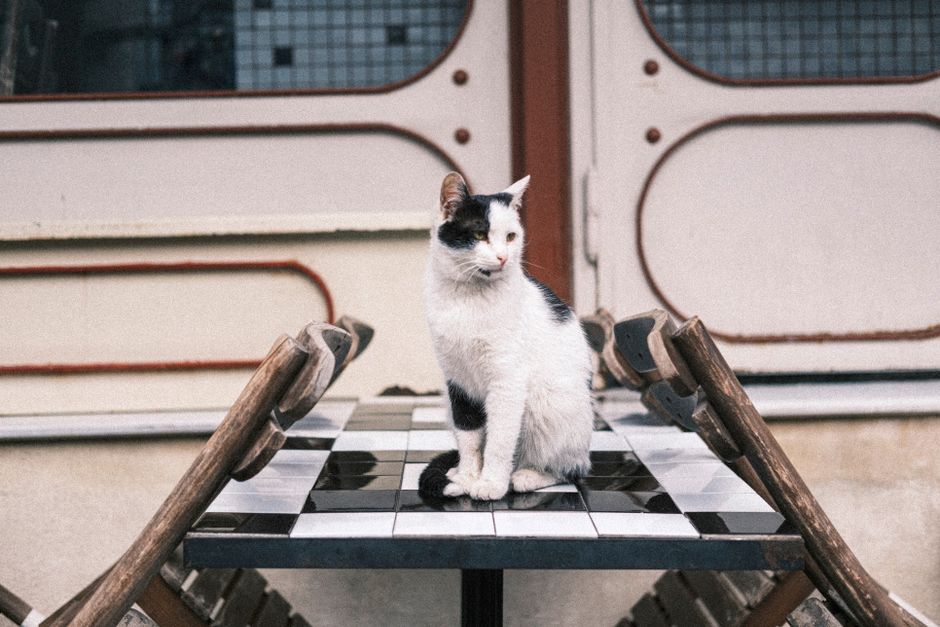
Cats are naturally territorial creatures, and your dining room table represents prime real estate in their domain. By interacting with objects on elevated surfaces, cats are essentially claiming ownership of that space. Their paw pads contain scent glands, so every swat deposits their unique scent signature on your belongings.
This territorial aspect of cat knocking things off table behavior explains why cats often seem to target specific items or areas repeatedly. They’re not being spiteful—they’re simply reinforcing their claim to that territory through scent marking.
Attention-Seeking and Learning Behavior
The Attention Connection
Smart as they are, cats quickly learn that knocking things off tables guarantees an immediate human response. Whether you rush over in panic, scold them, or even laugh, you’re providing the attention they crave. From your cat’s perspective, negative attention is still attention, and they’ll repeat behaviors that successfully engage their favorite humans.
This learned behavior becomes particularly pronounced in cats who spend long hours alone or feel they’re not receiving enough interaction. The dramatic crash of objects hitting the floor is essentially your cat’s way of saying, “Hey, pay attention to me!”
Curiosity and Environmental Exploration
Cats are naturally curious creatures who explore their environment primarily through touch. Their paws are incredibly sensitive tools equipped with numerous nerve endings that help them gather detailed information about their surroundings. When faced with an unfamiliar object on a table, a cat’s first instinct is to investigate it with their paws.
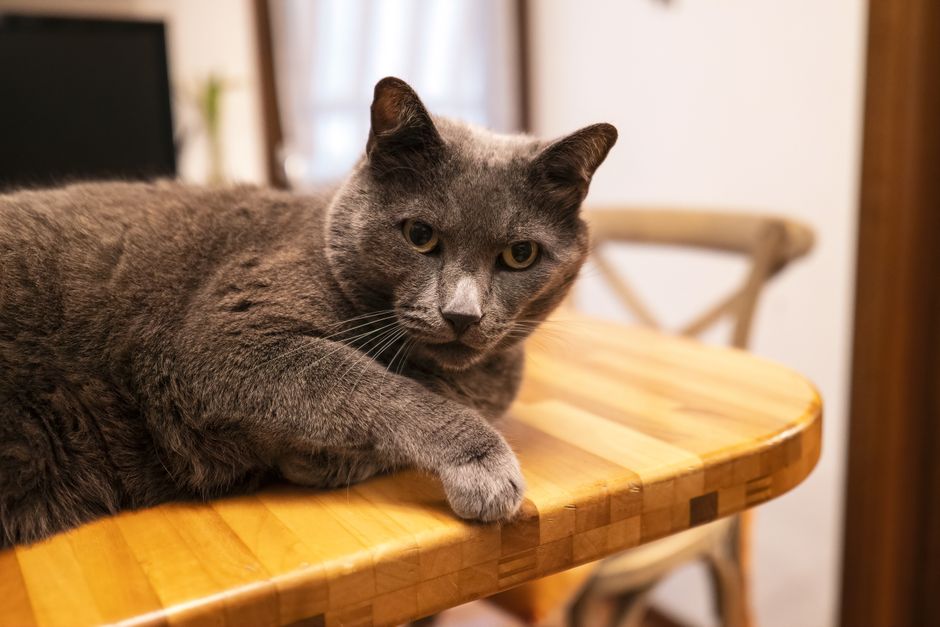
Unfortunately, this investigative process often results in objects being knocked to the floor. Your cat isn’t intentionally trying to break your things—they’re simply following their natural inclination to explore and understand their environment through tactile interaction.
Practical Solutions to Reduce Destructive Behavior
Environmental Management
The most effective way to prevent your cat from knocking things off tables is to modify their environment. Remove tempting objects from accessible surfaces, or secure items that must remain on tables. Consider using museum putty, weighted bases, or decorative trays with raised edges to keep important items safe.
Creating designated “cat zones” with appropriate toys and climbing structures can also redirect their natural behaviors. Cat trees, shelving systems designed for cats, and interactive puzzle toys provide acceptable outlets for their need to climb, explore, and manipulate objects.
Positive Reinforcement Training
While cats aren’t as easily trained as dogs, they do respond well to positive reinforcement. When your cat chooses to leave table items alone, reward them immediately with treats, praise, or play. This helps them understand which behaviors earn positive attention versus the negative attention they receive for destructive actions.
Consistency is key—everyone in the household should respond to the cat knocking things off table behavior in the same way to avoid sending mixed messages.
Providing Alternative Outlets
Since this behavior stems from natural instincts, completely eliminating it isn’t realistic or fair to your cat. Instead, provide appropriate alternatives that satisfy the same drives. Interactive toys that can be batted around, puzzle feeders that engage their hunting instincts, and regular play sessions with wand toys can help redirect their energy.
Rotating toys regularly keeps them novel and interesting, reducing the likelihood that your cat will seek entertainment from your personal belongings.
When to Be Concerned
While occasional table-clearing is normal feline behavior, sudden increases in this activity might indicate underlying issues. Stress, boredom, illness, or changes in the household can all trigger more frequent destructive behaviors. If your cat’s knocking behavior dramatically increases or is accompanied by other concerning symptoms, consult with your veterinarian to rule out medical causes.
Living Harmoniously with Your Table-Clearing Cat
Understanding that your cat’s tendency to knock things off tables stems from natural, healthy instincts is the first step toward managing this behavior effectively. Rather than viewing it as deliberate misbehavior, recognize it as your cat expressing their fundamental need to hunt, explore, and claim territory.
By combining environmental management, positive reinforcement, and appropriate outlets for natural behaviors, you can significantly reduce destructive incidents while still allowing your cat to be authentically feline. Remember, the goal isn’t to suppress your cat’s natural instincts entirely, but rather to channel them in ways that work for both of you.
The next time you hear that telltale crash from the next room, take a deep breath and remember—your cat isn’t plotting against you. They’re simply following millions of years of evolutionary programming, and with patience and understanding, you can help redirect these instincts in more constructive directions.