Is My Dog Having Nightmares? Understanding Sleep Behavior in Dogs
Have you ever watched your peaceful pup suddenly start whimpering, twitching their legs, or making muffled barking sounds while fast asleep? If so, you’re not alone in wondering whether your furry friend might be experiencing nightmares. While dog sleep behavior can sometimes appear concerning, understanding what’s normal versus what requires attention can help you become a more informed pet parent and ensure your dog gets the restful sleep they need.
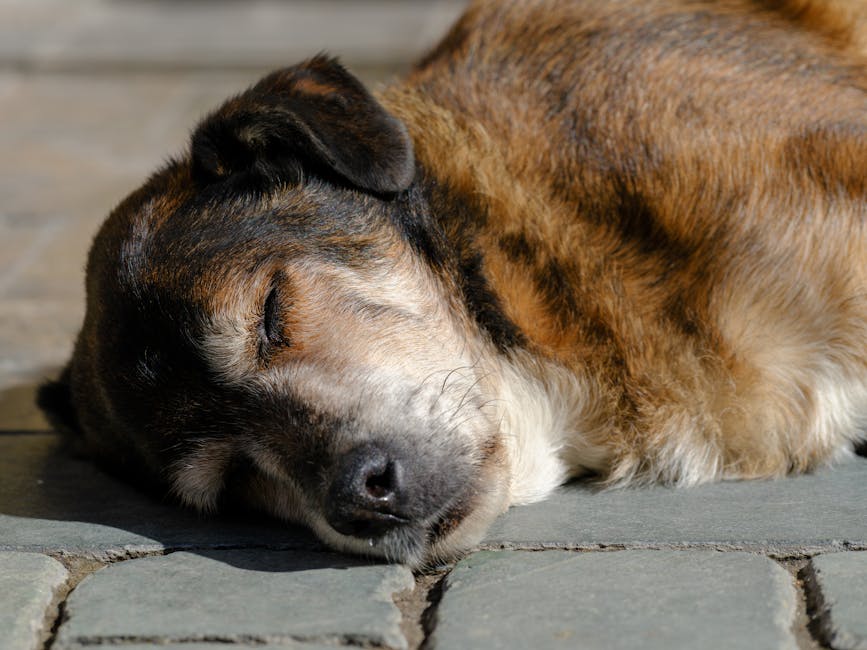
Do Dogs Actually Dream?
The short answer is yes! Dogs do dream, and their sleep patterns are remarkably similar to humans. Research has shown that dogs experience the same sleep stages we do, including REM (Rapid Eye Movement) sleep, which is when most vivid dreaming occurs. During REM sleep, your dog’s brain activity increases significantly, processing the day’s experiences, memories, and emotions.
Just like humans, dogs likely dream about familiar activities – chasing squirrels, playing fetch, or interacting with their favorite people. However, the question of whether dog nightmares occur is more complex. While we can’t ask our dogs about their dream content, behavioral observations suggest that dogs can indeed experience both pleasant dreams and potentially disturbing ones.
Common Signs of Dog Sleep Behavior
Normal Sleep Movements and Sounds
Before jumping to conclusions about nightmares, it’s important to recognize what constitutes normal dog twitching while sleeping. These behaviors are typically harmless and include:
- Leg paddling or running motions – Your dog may appear to be chasing something in their dreams
- Soft whimpering or quiet barking – Gentle vocalizations during sleep are normal
- Tail wagging – A sign your dog might be having pleasant dreams
- Facial twitches – Small movements around the eyes, ears, or mouth
- Shallow breathing changes – Slight variations in breathing rhythm

When Sleep Behavior Might Indicate Nightmares
While most dog sleep behavior is perfectly normal, certain signs might suggest your dog is experiencing a nightmare or sleep disturbance:
- Intense or violent movements – Aggressive thrashing or very dramatic leg movements
- Loud, distressed vocalizations – Prolonged howling, crying, or fearful barking
- Signs of anxiety upon waking – Confusion, panting, or seeking comfort immediately after waking
- Difficulty returning to sleep – Restlessness or reluctance to settle back down
- Frequent occurrence – If these episodes happen nightly or multiple times per night
What Causes Dog Nightmares?
Several factors can contribute to dog nightmares or disturbed sleep patterns:
Stress and Anxiety
Dogs who experience high levels of stress during their waking hours may be more prone to nightmares. Recent changes in routine, new environments, separation anxiety, or traumatic experiences can all impact sleep quality.
Age-Related Factors
Puppies and senior dogs may experience more frequent sleep disturbances. Puppies are processing many new experiences, while older dogs might deal with cognitive changes or physical discomfort that affects their sleep.
Medical Conditions
Certain health issues, including pain, neurological conditions, or medication side effects, can influence sleep patterns and potentially contribute to nightmares.
How to Help Your Dog Sleep Better
Create a Comfortable Sleep Environment
Ensuring your dog has a cozy, secure sleeping area can significantly improve their sleep quality. Consider providing:
- A comfortable bed in a quiet location
- Consistent room temperature
- Dim lighting during sleep hours
- A familiar blanket or toy for comfort
Establish a Bedtime Routine
Dogs thrive on routine, and a consistent bedtime schedule can help promote better sleep. Try incorporating calming activities like gentle brushing or quiet time before bed.
Address Underlying Stress
If you suspect stress is contributing to your dog’s sleep issues, work on identifying and addressing the root causes. This might involve gradual desensitization to anxiety triggers, increased exercise, or consulting with a professional dog trainer.

When to Consult Your Veterinarian
While occasional dog twitching while sleeping is normal, certain situations warrant professional attention:
- Sleep disturbances occurring multiple times nightly
- Episodes lasting longer than a few minutes
- Signs of physical distress or injury during sleep movements
- Significant changes in your dog’s overall sleep patterns
- Daytime behavioral changes that might be related to poor sleep quality
Your veterinarian can help determine whether your dog’s sleep behavior is within normal parameters or if there might be an underlying medical issue requiring treatment.
Supporting Your Dreaming Dog
When you notice your dog experiencing what appears to be a nightmare, resist the urge to wake them abruptly. Instead, try speaking softly or gently calling their name from a distance. Sudden physical contact during a vivid dream can startle and disorient your dog.
Remember that most dog sleep behavior, including occasional nightmares, is a normal part of your pet’s sleep cycle. However, staying observant and responsive to your dog’s needs will help ensure they get the quality rest necessary for their physical and mental well-being.
Conclusion
Understanding dog nightmares and normal sleep behavior helps you better care for your canine companion. While dog twitching while sleeping and dream-related movements are typically harmless, being aware of what’s normal versus concerning enables you to provide appropriate support when needed. By creating a comfortable sleep environment, maintaining consistent routines, and addressing any underlying stressors, you can help your dog enjoy peaceful, restorative sleep. Remember, when in doubt about your dog’s sleep patterns or behavior, consulting with your veterinarian is always the best course of action to ensure your furry friend’s optimal health and happiness.