Why Does My Cat Knead Me? The Science Behind Your Feline’s Biscuit Making
If you’re a cat parent, you’ve likely experienced that sweet yet sometimes painful moment when your furry friend starts rhythmically pushing their paws against you, often accompanied by purring and a blissful expression. This adorable behavior, commonly called “making biscuits” or kneading, is one of the most endearing things cats do. But have you ever wondered why cats knead and what this fascinating behavior really means? Understanding cat kneading behavior can deepen your bond with your feline companion and help you appreciate the complex emotional world of cats.
What Is Cat Kneading Behavior?
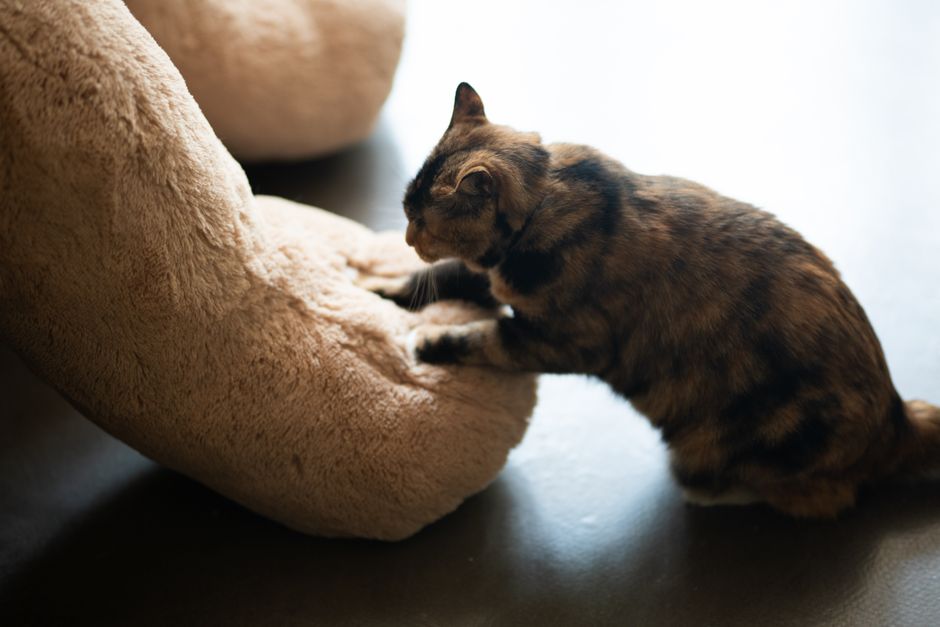
Cat kneading is a rhythmic pushing motion where cats alternate pressing their front paws against soft surfaces—whether it’s your lap, a blanket, or their favorite cushion. This behavior often includes extending and retracting their claws, similar to how a baker kneads dough, which is why many people refer to it as “cat making biscuits.” The motion is typically accompanied by purring, drooling, and sometimes even nibbling on fabric or clothing.
Kneading usually begins when cats are very young—just a few days old—and continues throughout their entire lives. It’s a universal feline behavior observed in domestic cats, as well as many wild cat species, suggesting it serves important biological and emotional purposes.

The Science Behind Why Cats Knead
Instinctive Nursing Behavior
The primary reason why cats knead stems from their earliest days as kittens. When nursing, kittens instinctively knead their mother’s belly to stimulate milk flow. This vital survival behavior becomes deeply ingrained in their neural pathways, creating a powerful association between kneading and comfort, security, and nourishment.
Even as adult cats, this instinctive behavior persists because it triggers the release of feel-good hormones like oxytocin and endorphins. When your cat kneads you, they’re essentially reverting to that safe, nurturing feeling they experienced as a kitten with their mother.
Territorial Marking and Scent Communication
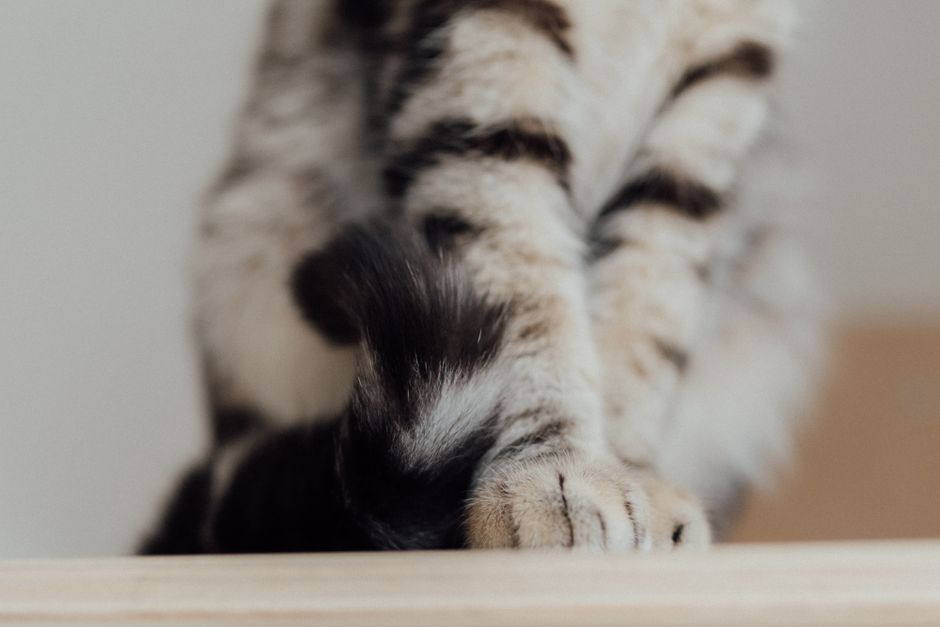
Another fascinating aspect of cat kneading behavior involves scent marking. Cats have scent glands in their paw pads that release pheromones when they knead. This serves as a way to mark their territory and communicate with other cats. When your cat kneads you, they’re essentially claiming you as “theirs” and mixing their scent with yours—a sign of deep affection and ownership.
Emotional Regulation and Stress Relief
Kneading also serves as a self-soothing mechanism for cats. The repetitive motion and associated memories help them regulate their emotions and cope with stress or anxiety. You might notice your cat kneading more frequently during times of change, uncertainty, or when they need extra comfort.
Different Types of Kneading and What They Mean
Kneading with Purring
When your cat kneads while purring, it’s typically a sign of contentment and affection. This combination indicates your cat feels safe, comfortable, and genuinely happy in your presence.
Kneading with Drooling
Some cats drool while kneading, which might seem concerning but is actually completely normal. This behavior indicates your cat is extremely relaxed and content—so much so that they’ve entered an almost trance-like state of bliss.
Kneading Different Surfaces
Cats may knead various surfaces for different reasons:
- Soft blankets or bedding: Preparing a comfortable sleeping spot
- Your lap or body: Showing affection and seeking comfort
- Other pets: Displaying social bonding behavior
- Their own bed or favorite spot: Marking territory and creating familiarity
How to Respond to Your Cat’s Kneading
Embrace the Behavior
Understanding that cat making biscuits is a sign of love and trust should make you feel honored. When your cat kneads you, try to remain still and enjoy this special bonding moment. Speaking softly or gently petting your cat can enhance the experience for both of you.
Manage Sharp Claws
While kneading is adorable, those sharp claws can be uncomfortable. Here are some practical solutions:
- Keep your cat’s claws trimmed regularly
- Place a thick blanket or towel on your lap before cuddling sessions
- Gently redirect your cat to a soft blanket or cushion if the kneading becomes too intense
- Never punish or push your cat away abruptly, as this can damage your bond
When Kneading Might Indicate a Problem
While kneading is generally a positive behavior, excessive kneading might sometimes signal underlying issues:
Stress or Anxiety
If your cat suddenly increases their kneading frequency or seems compulsive about it, they might be experiencing stress. Look for other signs like changes in eating habits, hiding, or vocalization patterns.
Early Weaning Issues
Cats who were weaned too early from their mothers might display more intense or frequent kneading behaviors throughout their lives. These cats often benefit from extra patience and comfort during kneading sessions.
Creating the Perfect Environment for Happy Kneading
To encourage healthy cat kneading behavior, consider:
- Providing soft blankets and comfortable surfaces throughout your home
- Maintaining a calm, stress-free environment
- Establishing regular cuddle times when your cat can knead freely
- Being patient and understanding that kneading is a natural, healthy behavior
Conclusion: Appreciating Your Cat’s Language of Love
Understanding why cats knead reveals just how complex and emotionally rich our feline companions truly are. This behavior represents a beautiful continuation of their earliest experiences of comfort, security, and love. When your cat chooses to knead on you, they’re sharing one of their most vulnerable and trusting behaviors—essentially telling you that you make them feel as safe and loved as their mother once did.
Rather than viewing those sharp claws as an inconvenience, try to appreciate the deep emotional significance behind your cat’s kneading. With a little preparation and a lot of patience, you can fully embrace these precious moments of feline affection. Remember, every time your cat makes biscuits on you, they’re kneading their love directly into your heart—and that’s truly something special to cherish.