My Cat Has Bad Breath: 7 Causes and When to See a Vet
If you’ve ever been enjoying cuddle time with your feline friend only to be greeted by an unpleasant odor when they yawn or purr close to your face, you’re not alone. While cats aren’t exactly known for minty-fresh breath, persistent or particularly foul mouth odor can signal underlying health issues that shouldn’t be ignored. Understanding the common cat bad breath causes can help you determine when that fishy smell is normal and when it’s time to schedule a veterinary appointment. Let’s explore the seven most common reasons behind your cat’s less-than-pleasant breath and learn how to protect your pet’s overall health.

Understanding Normal vs. Concerning Cat Mouth Odor
Before diving into potential problems, it’s important to understand that cats naturally have a distinct breath odor that’s different from humans or even dogs. A mild fishy or meaty smell is typically normal, especially after eating. However, when cat mouth odor becomes noticeably stronger, develops a sweet, fruity, or ammonia-like quality, or is accompanied by other symptoms, it may indicate a health concern requiring attention.
7 Common Cat Bad Breath Causes
1. Dental Disease and Plaque Buildup
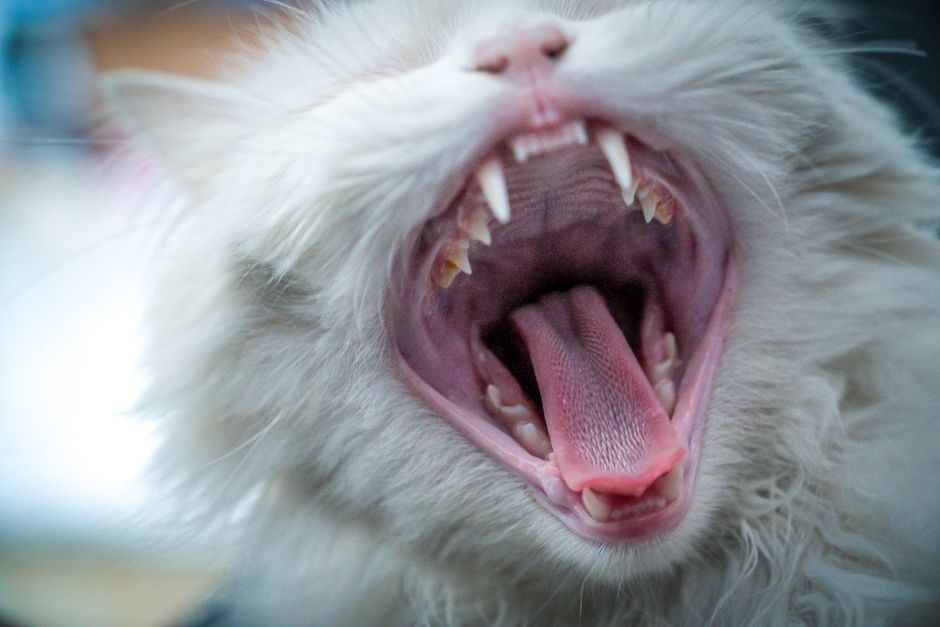
The most frequent culprit behind persistent bad breath in cats is dental disease. Just like humans, cats can develop plaque and tartar buildup on their teeth, leading to gingivitis and periodontal disease. This condition affects over 70% of cats by age three, making it a primary concern for feline dental health. Signs include yellow or brown tartar on teeth, red or swollen gums, and difficulty eating.
2. Kidney Disease
When a cat’s breath smells strongly of ammonia or urine, it could indicate kidney problems. The kidneys filter toxins from the blood, and when they’re not functioning properly, these toxins can cause a distinctive, unpleasant breath odor. Kidney disease is particularly common in senior cats and often develops gradually.
3. Diabetes
A sweet or fruity breath odor in cats can be a warning sign of diabetes. This occurs when the body breaks down fat for energy instead of glucose, producing ketones that create the characteristic smell. Diabetic cats may also show increased thirst, urination, and appetite changes.
4. Liver Disease
Liver problems can cause a musty or sweet breath odor, often accompanied by yellowing of the gums or eyes (jaundice). The liver plays a crucial role in filtering toxins, and when compromised, it can significantly impact your cat’s breath and overall health.
5. Respiratory Infections
Upper respiratory infections, including those affecting the sinuses or throat, can contribute to bad breath. Bacterial infections in the mouth, throat, or nasal passages often produce a foul odor and may be accompanied by sneezing, nasal discharge, or difficulty swallowing.
6. Foreign Objects in the Mouth
Sometimes, cats get small objects stuck between their teeth or in their gums. Food particles, small toys, or even plant material can become lodged in the mouth, leading to bacterial growth and bad breath. This is often accompanied by pawing at the mouth or difficulty eating.
7. Oral Cancer or Tumors
While less common, oral tumors or cancerous growths in the mouth can cause persistent bad breath. These may appear as unusual lumps, bumps, or discolored areas in the mouth and often cause difficulty eating or changes in eating habits.
When to See a Veterinarian
While occasional mild breath odor isn’t typically cause for alarm, certain signs warrant immediate veterinary attention. Schedule an appointment if your cat’s bad breath is accompanied by:
- Difficulty eating or loss of appetite
- Excessive drooling
- Pawing at the mouth or face
- Visible tartar buildup or red, swollen gums
- Changes in drinking or urination habits
- Lethargy or behavior changes
- Yellow discoloration of the gums or eyes
- Sudden onset of very strong, unusual breath odor

Maintaining Optimal Feline Dental Health
Prevention is always better than treatment when it comes to feline dental health. Here are practical steps you can take to keep your cat’s mouth healthy and breath fresher:
Regular Dental Care at Home
While brushing your cat’s teeth might seem challenging, it’s one of the most effective ways to prevent dental disease. Start slowly with cat-specific toothpaste and a soft brush or finger brush. Never use human toothpaste, as it can be toxic to cats.
Dental Treats and Toys
Specially designed dental treats and toys can help reduce plaque buildup through mechanical action. Look for products approved by veterinary dental organizations for maximum effectiveness.
Professional Dental Cleanings
Regular professional dental cleanings under anesthesia allow veterinarians to thoroughly clean below the gum line and assess overall oral health. Most cats benefit from annual or bi-annual dental procedures, depending on their individual needs.
Diet Considerations
Some dental-specific cat foods are formulated to help reduce tartar buildup through their texture and ingredients. Discuss with your veterinarian whether a dental diet might benefit your cat.
Conclusion
Understanding the various cat bad breath causes empowers you to be a proactive pet owner and advocate for your feline friend’s health. While some mouth odor is normal, persistent or severe bad breath often signals underlying health issues that require professional attention. By maintaining good feline dental health practices at home and scheduling regular veterinary checkups, you can help ensure your cat enjoys a healthy mouth and fresh breath for years to come. Remember, early detection and treatment of dental disease and other health conditions not only improves your cat’s comfort but can also prevent more serious complications down the road. When in doubt about your cat’s cat mouth odor, don’t hesitate to consult with your veterinarian – your furry friend will thank you for it.