Why Does My Cat Knead Me? The Science Behind Biscuit Making
If you’ve ever been relaxing on the couch only to have your furry friend climb onto your lap and start rhythmically pushing their paws against you, you’ve experienced one of the most endearing yet puzzling feline behaviors. This adorable action, often called “making biscuits” or “kneading,” is something nearly all cats do, but have you ever wondered why? Understanding cat kneading behavior isn’t just fascinating—it can help you become a better pet parent and strengthen the bond with your feline companion.
What Is Cat Kneading Behavior?
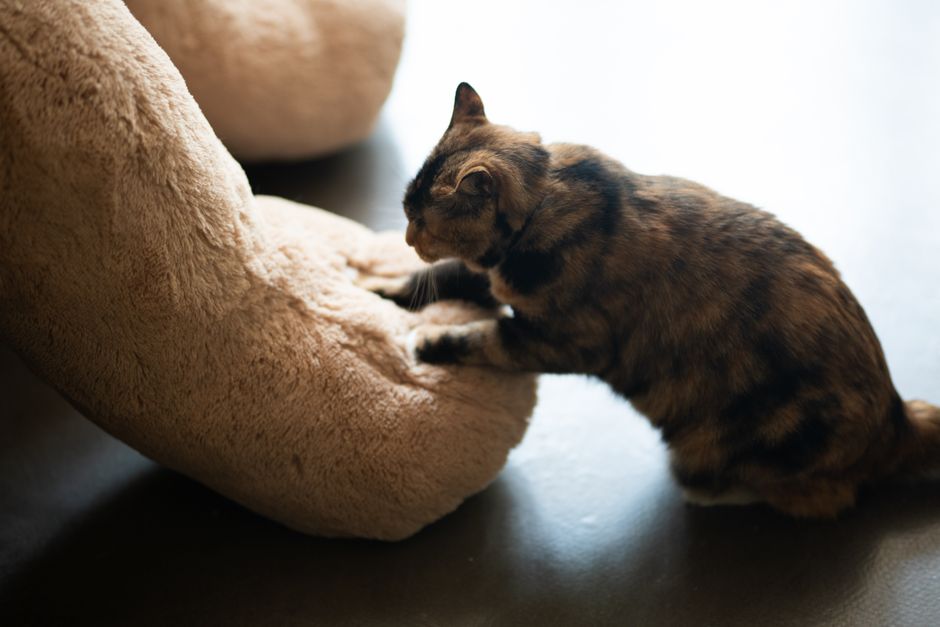
Cat kneading is the rhythmic pushing motion cats make with their front paws, alternating between left and right in a massage-like pattern. This behavior typically involves your cat pressing their paws into soft surfaces like blankets, cushions, or yes—you! Many cats also purr during kneading sessions and may even drool slightly, indicating they’re in a state of pure bliss.
The motion mimics the way kittens knead their mother’s belly while nursing, which is why many experts believe this behavior is deeply rooted in early development and comfort-seeking instincts.
The Science Behind Why Cats Knead
Instinctual Nursing Behavior
The primary reason why cats knead stems from their earliest days of life. Newborn kittens instinctively knead their mother’s mammary glands to stimulate milk production and flow. This vital behavior ensures they receive adequate nutrition during their most vulnerable weeks. The association between kneading and comfort, security, and nourishment becomes deeply ingrained in their neural pathways.
When adult cats knead, they’re essentially reverting to this comforting infantile behavior. It’s a sign that your cat feels safe, content, and loved—just like they did when nursing from their mother.
Scent Marking and Territory
Another scientific explanation for cat kneading behavior involves scent communication. Cats have scent glands located in their paw pads, and when they knead, they’re depositing their unique pheromones onto the surface. This serves as a form of territorial marking, essentially claiming you or that cozy blanket as “theirs.”
This scent-marking aspect explains why cats often knead their favorite sleeping spots, your clothes, or even you—they’re creating a familiar, comforting environment filled with their own scent.
Preparation and Comfort-Seeking
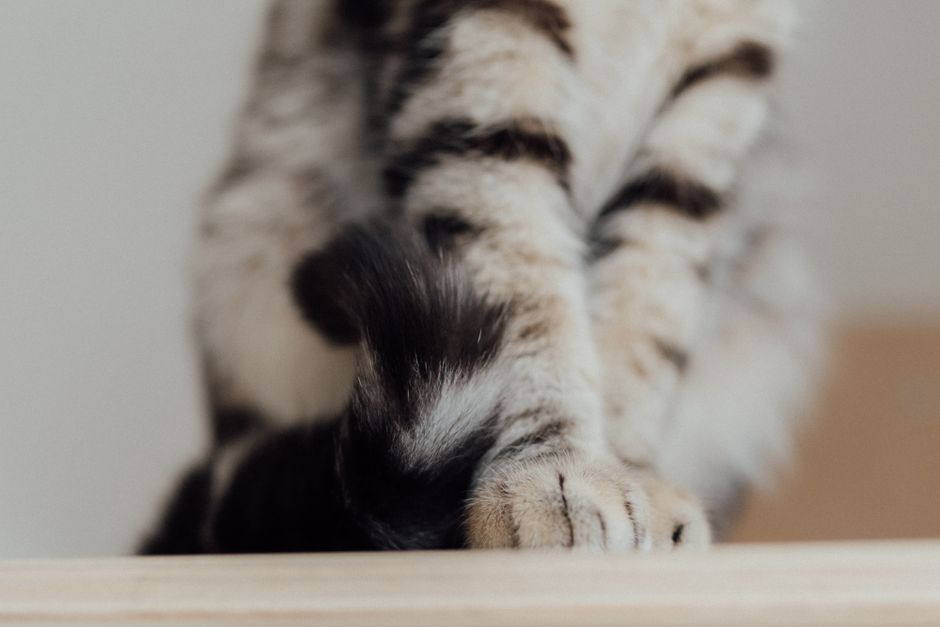
Wild cats and their ancestors would knead tall grass, leaves, and other natural materials to create comfortable nesting spots for sleeping or giving birth. This preparatory behavior helped flatten and arrange bedding materials for optimal comfort and safety.
Domestic cats retain this instinct, which is why you might notice your feline friend kneading their favorite blanket or your lap before settling down for a nap. They’re simply preparing their “nest” for maximum comfort.
Different Types of Kneading Behaviors
The Classic Knead
This involves alternating paw movements without claws, usually accompanied by purring. It’s the most common and gentle form of kneading, indicating pure contentment.
Kneading with Claws
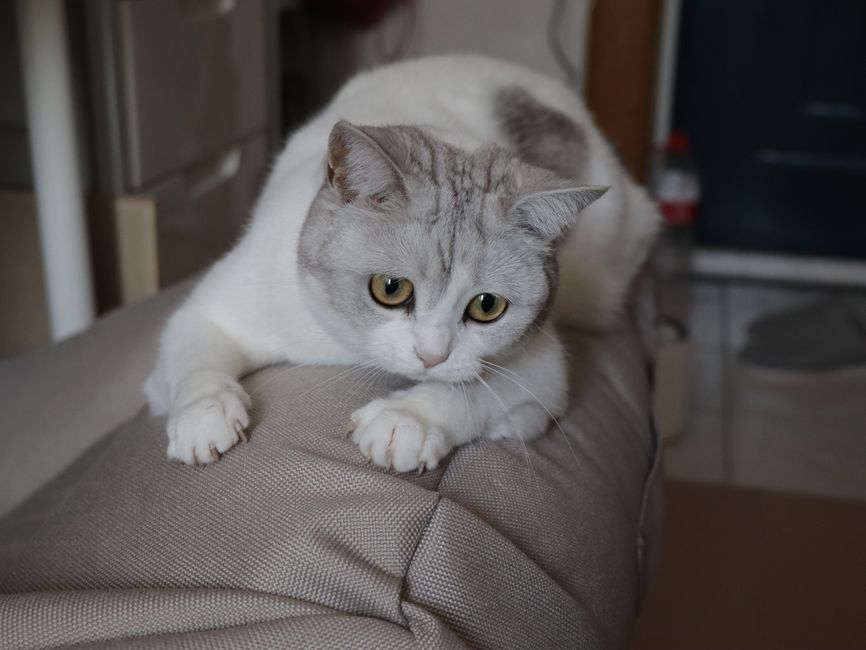
Some cats extend their claws while kneading, which can be uncomfortable for humans. This isn’t aggressive behavior—they’re simply so relaxed that they’ve reverted completely to kitten-like movements.
The “Nursing” Knead
Occasionally, cats will knead while also sucking on fabric or even their owner’s clothing. This behavior is most common in cats that were weaned too early and represents a stronger connection to nursing instincts.
What It Means When Your Cat Kneads You
When your cat chooses to knead you specifically, it’s one of the highest compliments they can give. This behavior indicates that your cat views you as a source of comfort and security—essentially, they see you as a parental figure. The fact that they feel safe enough to engage in this vulnerable, instinctual behavior shows the depth of trust and affection they have for you.
Managing Cat Kneading: Practical Tips for Pet Parents
Embrace the Behavior
Understanding why cats knead should help you appreciate this behavior rather than discourage it. Kneading is a sign of a happy, well-adjusted cat, so try to enjoy these special bonding moments when possible.
Protect Yourself from Claws
If your cat’s kneading becomes uncomfortable due to their claws, try these strategies:
- Keep your cat’s nails trimmed regularly
- Place a thick blanket or towel on your lap before cuddle sessions
- Gently redirect their paws if the kneading becomes too intense
- Never punish or push your cat away abruptly, as this can damage your bond
Create Designated Kneading Zones
Provide your cat with soft blankets, cushions, or cat beds in their favorite spots. This gives them appropriate outlets for their kneading instincts and can help protect your furniture and clothing.
When to Be Concerned
While kneading is normal behavior, excessive kneading combined with fabric sucking might indicate early weaning or stress. If you notice sudden changes in kneading frequency or intensity, consult with your veterinarian to rule out any underlying issues.
Strengthening Your Bond Through Understanding
Recognizing cat kneading behavior as a sign of affection and security can significantly enhance your relationship with your feline friend. When your cat kneads you, try to remain still and calm, perhaps offering gentle pets in return. This positive reinforcement helps strengthen the emotional bond between you and shows your cat that their affectionate behavior is welcomed and reciprocated.
Conclusion
Understanding why cats knead reveals the beautiful complexity of feline behavior and the deep emotional connections our cats form with us. This instinctual behavior, rooted in comfort, security, and affection, is one of the many ways cats show their love. Rather than viewing kneading as a nuisance, embrace it as the compliment it truly is—your cat’s way of saying you make them feel safe, loved, and at home. By providing appropriate outlets for this behavior and managing any discomfort it might cause, you can enjoy these precious bonding moments while supporting your cat’s natural instincts and emotional well-being.