Is My Dog Actually Smiling? Decoding Canine Facial Expressions
Picture this: you walk through the door after a long day, and your furry companion greets you with what looks like a big, happy grin. But wait—is your dog actually smiling, or are you projecting human emotions onto your pet’s face? Understanding canine facial expressions is crucial for every dog owner who wants to build a stronger bond with their four-legged family member. While dogs don’t smile in the same way humans do, they have their own fascinating ways of communicating joy, contentment, and a whole range of emotions through their facial expressions.
The Truth About Dog Smiling
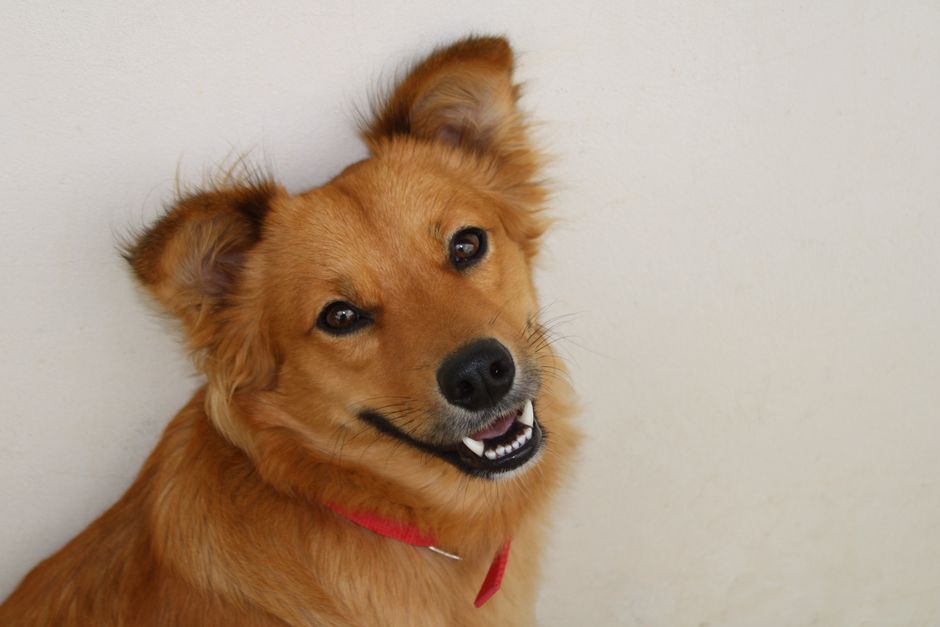
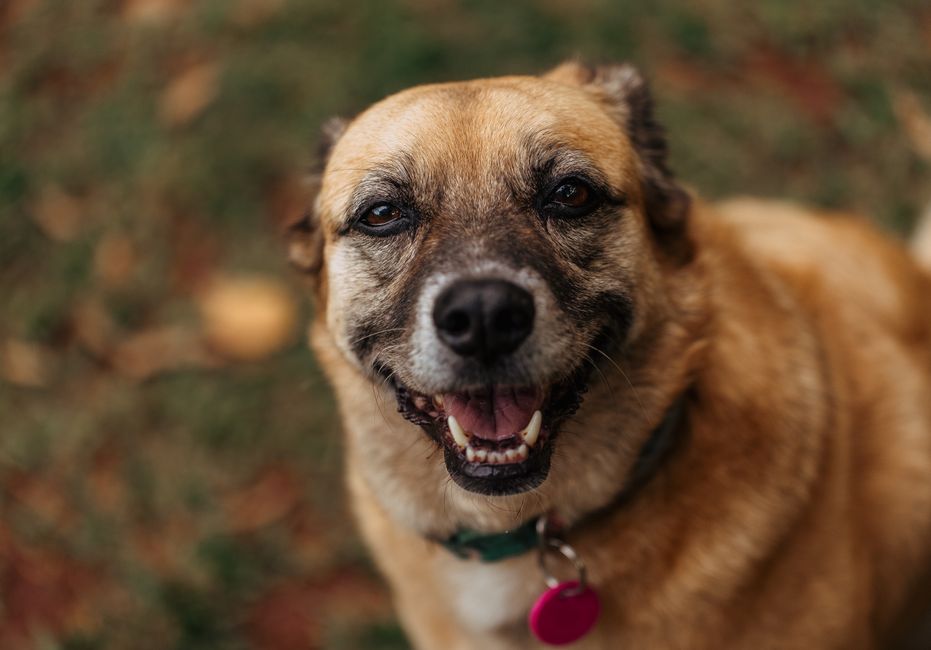
Let’s address the elephant in the room: dogs don’t technically smile to express happiness the way humans do. However, what we often interpret as dog smiling can indeed indicate positive emotions. When dogs appear to be smiling, they’re usually displaying a relaxed, open-mouthed expression with their tongue hanging out, which typically occurs when they’re comfortable, content, or excited.
This expression, sometimes called a “submissive grin,” happens when dogs pull back their lips to show their teeth in a non-threatening way. Unlike aggressive baring of teeth, this canine facial expression is accompanied by relaxed body language, soft eyes, and often a wagging tail. Many dogs learn to associate this expression with positive human reactions, reinforcing the behavior through our enthusiastic responses.
Reading Your Dog’s Real Emotions Through Facial Expressions
Signs of Genuine Happiness in Dogs
While your dog might not smile like humans, there are reliable ways to recognize when they’re truly happy. Look for these key indicators in their facial expressions:
- Soft, relaxed eyes: Happy dogs have gentle, squinting eyes that appear to be “smiling” themselves
- Relaxed mouth: An open mouth with a lolling tongue indicates comfort and contentment
- Raised eyebrows: Dogs often lift their eyebrows when excited or pleased, creating wrinkles on their forehead
- Perked but relaxed ears: Alert yet soft ear positioning shows engagement without stress
Warning Signs to Watch For
Not all canine facial expressions indicate positive emotions. It’s essential to distinguish between genuine contentment and signs of stress or discomfort:
- Whale eye: When you can see the whites of your dog’s eyes, they may be anxious or uncomfortable
- Tense facial muscles: A rigid expression often indicates stress or alertness to potential threats
- Lip licking: While sometimes normal, excessive lip licking can signal nervousness or nausea
- Yawning: Outside of sleepy times, yawning often indicates stress or overstimulation
The Science Behind Canine Emotions and Expressions
Recent research in canine behavior has revealed that dogs have evolved remarkable abilities to communicate with humans through facial expressions. Studies show that dogs produce more facial expressions when humans are paying attention to them, suggesting they’ve learned to use these expressions as communication tools specifically for us.
Dogs possess the same facial muscles that humans use for expressions, particularly around the eyes. Over thousands of years of domestication, dogs have developed enhanced facial mobility compared to their wolf ancestors, allowing them to create expressions that trigger nurturing responses in humans. This evolutionary adaptation helps explain why we’re so drawn to interpreting dog smiling and other canine facial expressions as human-like emotions.
Practical Tips for Better Communication with Your Dog
How to Encourage Positive Expressions
Understanding your dog’s emotional state through their facial expressions allows you to respond appropriately and strengthen your bond:
- Reward relaxed expressions: When you notice your dog displaying happy, relaxed facial expressions, offer praise, treats, or gentle petting
- Create positive associations: Use a cheerful voice and gentle movements when your dog shows content expressions
- Respect their space: If your dog’s facial expressions show stress or discomfort, give them space and time to relax
- Practice gentle training: Use positive reinforcement methods that encourage natural, happy expressions rather than forcing interactions
Building Emotional Intelligence with Your Pet
Developing your ability to read canine facial expressions takes practice and patience. Start by observing your dog in different situations throughout the day. Notice how their expressions change when they’re excited about walks, relaxed during nap time, or focused during training sessions. Keep a mental note of these patterns to better understand your individual dog’s emotional vocabulary.

When to Seek Professional Help
While most canine facial expressions are normal parts of dog communication, some situations warrant professional attention. If you notice sudden changes in your dog’s expressions, persistent signs of stress or discomfort, or aggressive facial expressions that concern you, consult with a veterinarian or certified dog behaviorist. They can help determine if there are underlying health issues or behavioral concerns that need addressing.
Conclusion: Celebrating Your Dog’s Unique Communication Style
So, is your dog actually smiling? While they may not smile in the human sense, dogs have developed their own remarkable ways of expressing contentment, joy, and affection through their facial expressions. By learning to read these subtle signs, you’ll develop a deeper understanding of your dog’s emotional world and strengthen the incredible bond you share.
Remember that every dog is unique, and their individual personality will shine through their expressions. Take time to observe and appreciate your dog’s distinctive ways of communicating with you. Whether it’s that adorable “grin” when you come home or the soft, sleepy eyes during cuddle time, these canine facial expressions are precious glimpses into your dog’s heart. The more attention you pay to these non-verbal cues, the better you’ll become at understanding what your furry friend is really trying to tell you.