My Dog Is Limping But Not Crying: When to Worry and When to Wait
You notice your beloved furry friend walking with a slight limp, but they’re not whimpering, crying, or showing obvious signs of distress. This puzzling situation leaves many pet parents wondering: “Is my dog limping not crying something serious, or can I wait it out?” The truth is, dogs are incredibly stoic creatures who often mask their pain, making it challenging to determine the severity of their condition. Understanding the nuances of canine limping behavior and recognizing subtle signs can help you make informed decisions about your pet’s health and know exactly when dog limping serious enough to warrant immediate veterinary attention.
Understanding Why Dogs Don’t Always Show Pain
Dogs have evolved as pack animals with a natural instinct to hide weakness and vulnerability. In the wild, showing pain could make them targets for predators or cause them to lose their position within the pack hierarchy. This evolutionary trait means your domestic dog may be experiencing significant discomfort while appearing relatively calm on the surface.
Additionally, dogs express pain differently than humans. While we might vocalize our discomfort immediately, dogs often demonstrate pain through subtle behavioral changes, altered movement patterns, and decreased activity levels rather than obvious crying or whimpering.
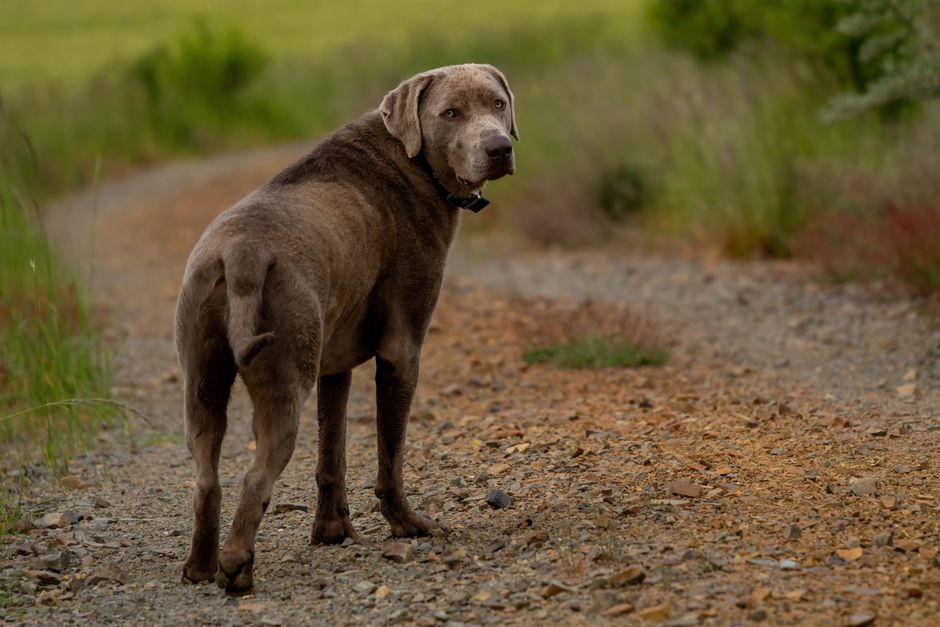
Common Causes of Limping in Dogs
Minor Injuries and Temporary Issues
Several less serious conditions can cause your dog to limp without displaying obvious distress:
- Thorns or debris: Small objects stuck in paw pads can cause temporary limping
- Minor muscle strains: Overexertion during play or exercise can lead to mild muscle soreness
- Nail injuries: Broken or overgrown nails may cause discomfort during walking
- Paw pad irritation: Hot pavement, rough terrain, or minor cuts can affect gait
Serious Conditions Requiring Immediate Attention
However, some dog leg injury symptoms indicate more severe underlying problems:
- Fractures or breaks: Bone injuries may not always cause immediate crying but require urgent care
- Ligament tears: ACL injuries and other ligament damage can be painful yet not vocalized
- Hip dysplasia: This genetic condition often develops gradually with subtle symptoms
- Arthritis: Joint inflammation can cause persistent limping, especially in older dogs
- Infections: Bacterial or fungal infections in joints or bones may cause silent suffering
Red Flags: When Dog Limping Is Serious
Even without crying, certain signs indicate your dog’s limping requires immediate veterinary evaluation:
Behavioral Changes
Watch for subtle shifts in your dog’s normal behavior patterns. These may include decreased appetite, reluctance to engage in favorite activities, excessive sleeping, or seeking more comfort and attention from you. Dogs experiencing pain often become less social and may isolate themselves from family activities they typically enjoy.
Physical Symptoms
Look for visible signs such as swelling around joints, heat emanating from the affected area, visible deformity of the limb, inability to bear any weight on the leg, or dragging the affected paw. Additionally, check for any cuts, puncture wounds, or foreign objects that might be causing the issue.

Duration and Severity
If the limping persists for more than 24-48 hours without improvement, worsens over time, or is accompanied by other concerning symptoms like lethargy or loss of appetite, it’s time to consult your veterinarian. Intermittent limping that comes and goes may also indicate an underlying condition that needs professional assessment.
What You Can Do at Home
While waiting to determine if veterinary care is needed, several steps can help your dog and provide valuable information for your vet:
Initial Assessment
Gently examine your dog’s paw and leg, looking for obvious injuries, foreign objects, or swelling. Check between toes and paw pads for thorns, glass, or other debris. However, be cautious during your examination – even gentle dogs may snap when in pain.
Provide Rest
Limit your dog’s activity and encourage rest. Avoid walks, running, jumping, and playing until you can better assess the situation. Create a comfortable, quiet space where your dog can relax without feeling pressured to be active.
Apply Cold Therapy
If you notice swelling, apply a cold pack wrapped in a towel to the affected area for 10-15 minutes several times daily. Never apply ice directly to your dog’s skin, and discontinue if your dog shows signs of increased discomfort.
When to Call the Veterinarian
Contact your veterinarian immediately if you observe any of the following dog leg injury symptoms:
- Complete inability to bear weight on the affected limb
- Visible bone protrusion or severe deformity
- Excessive swelling or heat in joints
- Open wounds or bleeding
- Signs of infection (discharge, foul odor, fever)
- Limping accompanied by vomiting, diarrhea, or extreme lethargy
Additionally, schedule a veterinary appointment within 24-48 hours if the limping persists without improvement, even if your dog seems otherwise comfortable.
Prevention Strategies
While not all injuries are preventable, several measures can reduce your dog’s risk of developing limping issues:
Maintain your dog’s ideal weight to reduce stress on joints, provide regular moderate exercise to keep muscles and joints strong, keep nails trimmed to proper length, and inspect paws regularly for cuts, debris, or abnormalities. Additionally, use protective booties in extreme weather conditions and avoid overexertion during play or exercise sessions.
Conclusion
When your dog is limping but not crying, it doesn’t necessarily mean the issue isn’t serious. Dogs are masters at hiding pain, making it crucial for pet owners to watch for subtle signs and behavioral changes that indicate discomfort. While minor issues like small debris in paws or temporary muscle strain may resolve with rest, persistent limping, behavioral changes, or visible physical symptoms warrant professional veterinary evaluation. Trust your instincts as a pet parent – you know your dog better than anyone else. When in doubt, it’s always better to err on the side of caution and consult with your veterinarian. Early intervention can prevent minor issues from becoming major problems and ensure your furry friend receives the care they need to return to their happy, active lifestyle.