DIY Pet Emergency Kit: 15 Must-Have Items Every Pet Owner Needs
When disaster strikes or your furry friend faces an unexpected health emergency, being prepared can mean the difference between panic and confident action. Just as you’d keep a first aid kit for your family, having a comprehensive pet emergency kit checklist ensures you’re ready to handle anything from minor cuts to natural disasters. Whether you’re a new pet parent or a seasoned animal lover, creating a well-stocked emergency kit is one of the most important investments you can make in your pet’s safety and well-being.
Why Every Pet Owner Needs an Emergency Kit
Emergencies don’t wait for convenient times. From sudden injuries during weekend hikes to unexpected natural disasters, having dog cat first aid supplies readily available can provide immediate care while you seek professional veterinary help. According to veterinary emergency clinics, many pet injuries occur outside regular business hours, making home preparedness crucial for pet owners.
Beyond medical emergencies, natural disasters like hurricanes, earthquakes, or wildfires can force families to evacuate quickly. Having a grab-and-go emergency kit means you won’t have to scramble to find essential supplies when every minute counts. Pet emergency preparedness isn’t just about medical care—it’s about ensuring your pet’s comfort and survival during any crisis.
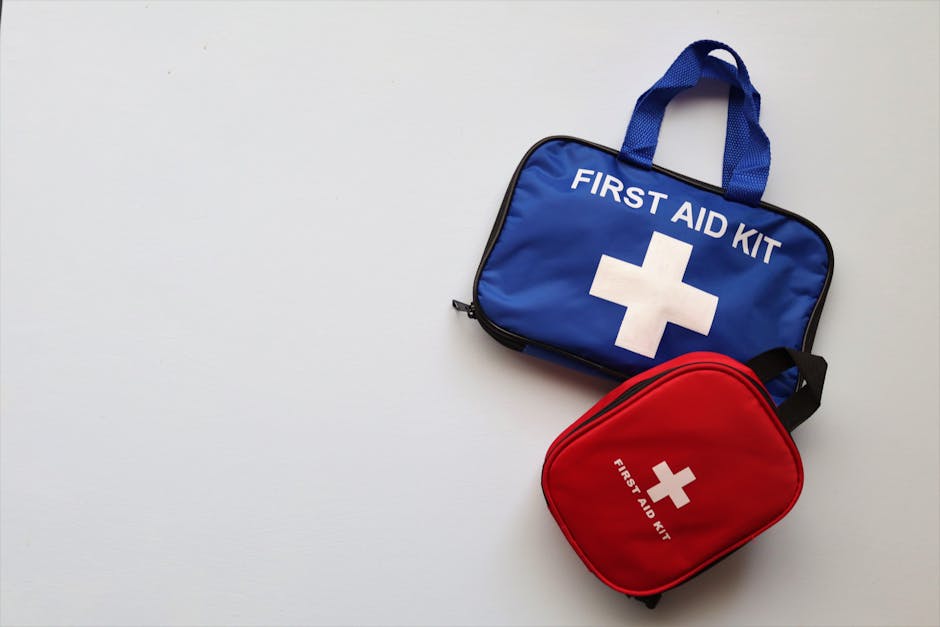
Essential Medical Supplies for Your Pet Emergency Kit
1. Digital Thermometer
A pet-specific digital thermometer is crucial for monitoring your pet’s health. Normal temperature ranges are 101-102.5°F for dogs and 100.5-102.5°F for cats. Knowing how to take your pet’s temperature can provide vital information to veterinarians during emergency calls.
2. Gauze Pads and Medical Tape
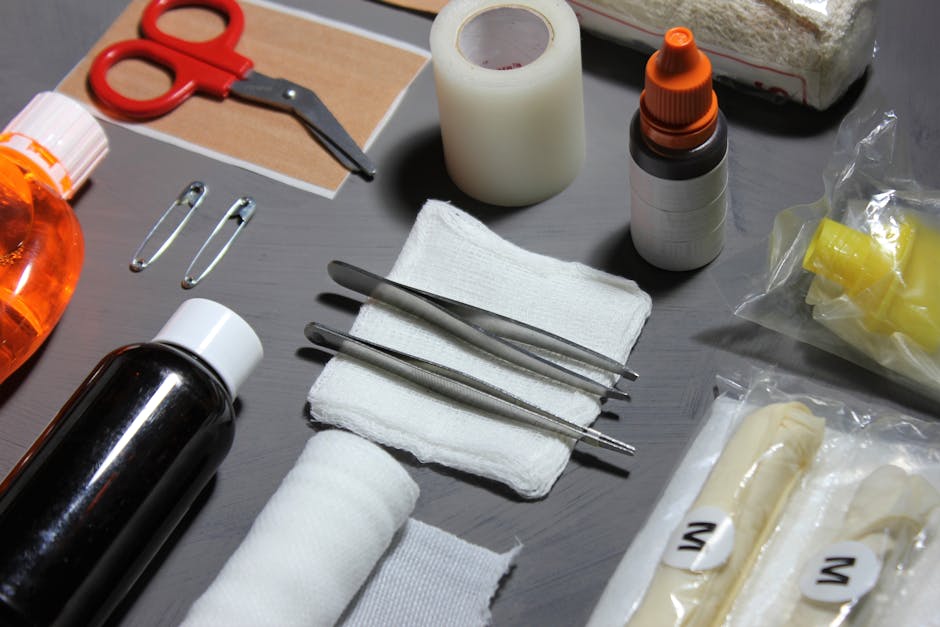
These versatile supplies help control bleeding, protect wounds, and secure bandages. Include both 2×2 and 4×4 inch gauze pads, along with self-adhesive bandaging tape that won’t stick to fur.
3. Antiseptic Wipes and Solution
Clean wounds immediately with pet-safe antiseptic wipes or diluted betadine solution. Avoid hydrogen peroxide on deep wounds, as it can damage tissue and delay healing.
4. Instant Cold Pack
Useful for reducing swelling from injuries or providing relief from overheating. Never apply ice directly to your pet’s skin—always wrap cold packs in a towel.
5. Emergency Medications
Include any prescription medications your pet takes regularly, plus basic over-the-counter items like Benadryl for allergic reactions (consult your vet for proper dosing first). Keep medications in original containers with clear labeling.
Comfort and Safety Items
6. Emergency Contact Information
Create a laminated card with your veterinarian’s contact information, nearest 24-hour animal hospital, poison control hotline (ASPCA: 888-426-4435), and your pet’s medical information including allergies and medications.
7. Leash, Collar, and Carrier
Even indoor pets need secure restraints during emergencies. A sturdy leash and collar with ID tags, plus a comfortable carrier for cats or small dogs, ensures you can transport your pet safely.
8. Blankets and Towels
These multipurpose items provide warmth, comfort, and can help immobilize injured pets during transport. Choose items you can easily wash or replace.
9. Flashlight and Batteries
Power outages often accompany emergencies. A reliable flashlight helps you examine injuries and navigate safely in the dark. Consider a hand-crank model that doesn’t require batteries.
10. Emergency Food and Water
Store at least three days’ worth of your pet’s regular food in waterproof containers, along with collapsible bowls and bottled water. Rotate these supplies every six months to maintain freshness.
Documentation and Communication Tools
11. Medical Records and Photos
Keep copies of vaccination records, medical history, and recent photos of your pet in waterproof bags. These documents prove ownership and help veterinarians provide appropriate care.
12. Cash and Credit Cards
Emergency veterinary care can be expensive, and not all clinics accept all forms of payment. Having cash readily available ensures you won’t delay treatment due to payment issues.
Additional Safety and Comfort Items
13. Muzzle or Restraint
Even the gentlest pets may bite when frightened or in pain. A properly fitted muzzle protects both you and your pet during emergency care. Learn how to apply it correctly before you need it.
14. Scissors and Tweezers
Blunt-end scissors safely cut gauze, tape, or matted fur around wounds. Fine-tipped tweezers remove splinters, ticks, or debris from paws and fur.
15. Emergency Sanitation Supplies
Include waste bags, paper towels, and disinfectant for cleaning up accidents or messes. Maintaining sanitary conditions prevents infection and keeps your pet comfortable during stressful situations.
Organizing and Maintaining Your Emergency Kit
Store all supplies in a waterproof, portable container that’s easily accessible but secure from curious pets. Label everything clearly and check expiration dates every six months. Consider creating multiple kits—one for home, one for your car, and a travel version for trips.
Practice using your supplies before emergencies occur. Learn basic pet first aid techniques through online resources or local classes. The more familiar you are with your emergency kit contents, the more effectively you can help your pet when it matters most.
Conclusion: Peace of Mind Through Preparation
Creating a comprehensive pet emergency kit isn’t just about gathering supplies—it’s about developing the confidence and preparedness that comes from knowing you can handle whatever challenges arise. By following this pet emergency kit checklist and regularly maintaining your supplies, you’re taking a proactive step toward protecting your beloved companion’s health and safety.
Remember, while these dog cat first aid supplies can provide immediate care and comfort, they’re never a substitute for professional veterinary treatment. Use your emergency kit to stabilize situations and keep your pet comfortable while seeking appropriate medical care. With proper pet emergency preparedness, you’ll be ready to face any challenge that comes your way, giving both you and your furry friend the security you deserve.