Is Your Cat Actually Depressed? Warning Signs Every Owner Should Know
As a devoted cat parent, you know your feline friend’s quirky personality better than anyone. But what happens when Mr. Whiskers starts acting completely out of character? While cats are naturally independent creatures, significant changes in behavior could signal something more serious than a bad mood. Just like humans, cats can experience depression, and recognizing the cat depression symptoms early can make all the difference in your pet’s wellbeing and recovery.

Understanding Feline Depression: More Common Than You Think
Feline mental health is a real and increasingly recognized aspect of veterinary care. Cats are sensitive creatures who can develop depression due to various factors including environmental changes, loss of a companion, illness, or major life transitions. Unlike the Hollywood portrayal of sad cats, feline depression manifests in subtle ways that caring owners need to watch for carefully.
Depression in cats isn’t just about being “moody” – it’s a legitimate condition that can significantly impact your cat’s quality of life. The good news? With proper recognition and intervention, most cats can recover from depressive episodes and return to their normal, happy selves.
Key Warning Signs: Recognizing Sad Cat Signs
Behavioral Changes That Raise Red Flags
The most telling sad cat signs often involve dramatic shifts in your cat’s typical behavior patterns. If your usually social kitty suddenly becomes a hermit, hiding under beds or in closets for extended periods, this withdrawal could indicate depression. Conversely, if your independent cat becomes unusually clingy and demanding of constant attention, this behavioral swing might also signal distress.
Changes in vocalization patterns are equally important to monitor. A typically chatty cat who falls silent, or a quiet cat who begins excessive meowing, crying, or yowling, may be communicating emotional distress. Pay particular attention to the tone and frequency of these vocalizations.
Physical Symptoms to Monitor
Depression often manifests physically in cats. Significant changes in appetite – either eating much more or much less than usual – can indicate feline mental health issues. Similarly, disrupted sleep patterns, such as sleeping excessively or appearing restless and unable to settle, warrant attention.
Grooming habits provide crucial insights into your cat’s emotional state. Over-grooming that leads to bald patches or skin irritation, or conversely, poor grooming resulting in a matted, unkempt coat, both suggest potential depression.
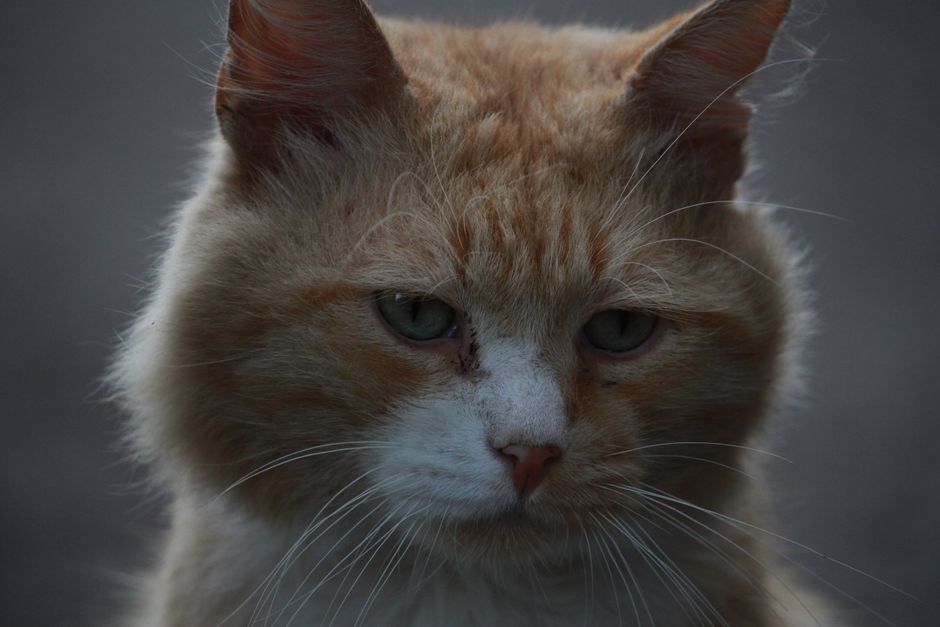
Common Triggers: What Causes Cat Depression?
Understanding potential triggers helps pet owners better recognize and prevent feline depression. Major life changes top the list of common causes. Moving to a new home, introducing new pets or family members, or changes in daily routines can overwhelm sensitive cats.
Loss and grief significantly impact cats. The death of a companion pet, a family member moving away, or even changes in work schedules that alter interaction patterns can trigger depressive episodes. Cats form strong bonds and genuinely mourn losses.
Medical issues also contribute to depression. Chronic pain, illness, or age-related conditions can make cats feel unwell and subsequently depressed. This is why veterinary evaluation is crucial when behavioral changes occur.
Environmental Factors
Cats thrive on routine and environmental stability. Lack of mental stimulation, inadequate play opportunities, or stressful living conditions can contribute to depression. Indoor cats without sufficient enrichment activities are particularly susceptible to developing mental health issues.
Taking Action: Practical Steps for Concerned Pet Parents
Immediate Assessment Strategies
When you notice potential cat depression symptoms, start by documenting the changes you’ve observed. Note when symptoms began, their severity, and any potential triggers. This information proves invaluable for veterinary consultations.
Create a calm, enriched environment for your cat. Ensure they have access to favorite hiding spots, comfortable bedding, and engaging toys. Sometimes, simple environmental improvements can significantly impact a cat’s mood.
Professional Intervention
Schedule a veterinary appointment to rule out underlying medical conditions. Many physical ailments can mimic or contribute to depression, so a thorough health evaluation is essential. Your veterinarian can also discuss behavioral interventions or, in severe cases, anti-anxiety medications designed for cats.
Consider consulting with a certified animal behaviorist for complex cases. These professionals specialize in feline mental health and can provide tailored strategies for your specific situation.

Prevention and Long-term Wellness
Maintaining your cat’s mental health requires ongoing attention to their emotional needs. Establish consistent routines that provide security and predictability. Regular play sessions, interactive toys, and quality bonding time contribute significantly to emotional wellbeing.
Create vertical spaces with cat trees or shelving, provide window perches for outdoor viewing, and rotate toys regularly to prevent boredom. These environmental enrichments help prevent the conditions that can lead to depression.
Building Emotional Resilience
Help your cat develop emotional resilience by gradually exposing them to minor changes in controlled ways. This builds confidence and adaptability, making them less susceptible to depression when major changes occur.
Maintain strong bonds through regular positive interactions. Even independent cats benefit from consistent, gentle attention from their favorite humans. These relationships provide emotional anchors during stressful times.
Supporting Your Cat’s Journey to Recovery
Recovery from feline depression often takes time and patience. Continue monitoring your cat’s progress, celebrating small improvements, and maintaining consistent supportive care. Most cats respond well to increased attention, environmental enrichment, and addressing underlying triggers.
Remember that setbacks are normal during recovery. Some days will be better than others, and progress might seem slow. Consistency in your approach and maintaining realistic expectations will benefit both you and your feline companion.
Conclusion: Your Cat’s Mental Health Matters
Recognizing cat depression symptoms and understanding sad cat signs empowers you to provide the best possible care for your feline friend. Depression in cats is treatable, and with proper attention to feline mental health, most cats can overcome depressive episodes and return to their happy, healthy selves.
Trust your instincts as a pet parent – you know your cat better than anyone. When something seems off, don’t hesitate to take action. Your vigilance and care can make the difference between prolonged suffering and a swift return to feline happiness. Remember, a mentally healthy cat is not just a happier pet, but often a more affectionate, playful, and engaging companion for years to come.