How to Build the Perfect Indoor Cat Climbing Wall in 5 Steps
Creating an indoor cat climbing wall is one of the best gifts you can give your feline friend. Not only does it provide essential vertical territory that cats naturally crave, but it also transforms unused wall space into an exciting playground that keeps your pet active, mentally stimulated, and happy. Whether you’re dealing with a small apartment or simply want to maximize your cat’s entertainment options, this comprehensive DIY guide will walk you through building the perfect climbing wall that both you and your cat will love.
Why Your Cat Needs a Climbing Wall
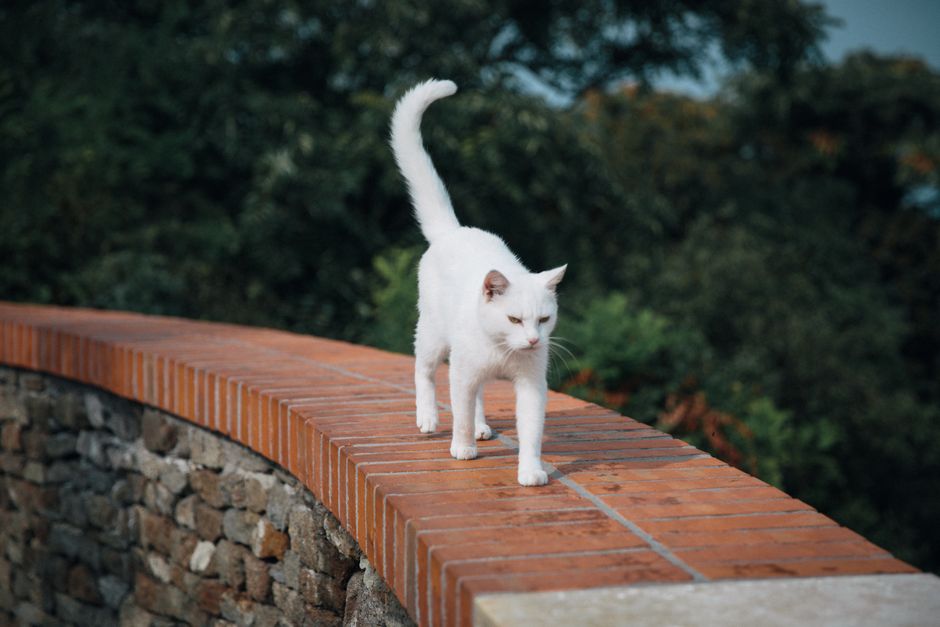
Before diving into our DIY build tutorial, it’s important to understand why vertical space matters so much to cats. In the wild, cats naturally seek high vantage points for hunting, safety, and territorial control. Indoor cats retain these instincts, which is why you’ll often find them perched on top of refrigerators, bookshelves, or any elevated surface they can reach.
An indoor cat climbing wall satisfies these natural behaviors while providing numerous benefits including improved physical fitness, reduced stress and anxiety, prevention of destructive behaviors, and better utilization of your living space. When cats have adequate vertical territory, they’re generally calmer, more confident, and less likely to engage in problematic behaviors like scratching furniture or excessive meowing.
Step 1: Planning Your Indoor Cat Climbing Wall
The foundation of any successful DIY build starts with thorough planning. Begin by selecting the perfect wall location – ideally one that’s easily accessible to your cat but doesn’t interfere with your daily activities. Consider walls near windows, as cats love to climb up and observe the outside world, or choose a corner where you can utilize two walls for maximum climbing opportunities.
Measure your available space carefully and sketch out your design. Think about your cat’s age, size, and mobility level. Older cats or those with joint issues will need closer spacing between platforms, while young, agile cats can handle larger gaps. Plan for a variety of platform sizes, including larger resting areas where your cat can comfortably lie down.
Essential Design Considerations
When planning your indoor cat climbing wall, consider the spacing between elements. Platforms should be 12-18 inches apart for easy jumping, and ensure you include at least one platform that’s 16 inches wide for comfortable resting. Plan multiple routes up and down to prevent your cat from feeling trapped, and consider your cat’s preferred textures – some love carpet, while others prefer bare wood or sisal.
Step 2: Gathering Your Materials and Tools
Success in this DIY build tutorial depends heavily on having the right materials. For the basic structure, you’ll need wall-mounted brackets or floating shelf brackets rated for at least 30-40 pounds, wooden platforms (pine boards work well and are budget-friendly), wood screws and wall anchors appropriate for your wall type, and sandpaper for smoothing rough edges.

For finishing touches, gather carpet remnants or sisal rope for traction, a drill with various bits, a level for ensuring straight installation, a stud finder for secure mounting, and wood stain or paint if desired. Don’t forget safety equipment including safety glasses and work gloves.
Choosing the Right Hardware
The hardware you select will determine the safety and longevity of your climbing wall. Heavy-duty floating shelf brackets are often the best choice, as they provide clean lines and strong support. If you’re mounting into drywall, use heavy-duty toggle bolts or molly bolts. For brick or concrete walls, masonry anchors are essential. Remember, each platform should be able to support at least 25-30 pounds to accommodate even large cats jumping onto them.
Step 3: Creating and Preparing the Platforms
Now comes the hands-on portion of your indoor cat climbing wall project. Cut your wooden boards to various sizes – typically ranging from 8 inches to 18 inches in width and 12 to 24 inches in length. Sand all edges and surfaces smooth to prevent splinters that could hurt your cat’s paws.
If you’re adding carpet to your platforms, cut the carpet to size, leaving about 2 inches of overhang on all sides. Use a staple gun to secure the carpet to the underside of each platform, pulling tightly to avoid wrinkles. For sisal rope wrapping, start from one corner and wrap tightly, securing the ends with heavy-duty adhesive or small screws placed where your cat won’t step on them.
Step 4: Installation and Mounting
This is the most critical phase of your DIY build. Start by using your stud finder to locate wall studs – mounting into studs provides the strongest support. Mark your platform locations with a pencil, using your level to ensure everything is straight and properly aligned.
Install your brackets according to the manufacturer’s instructions, double-checking that each one is level and securely fastened. If you can’t hit a stud in every location, make sure you’re using appropriate wall anchors rated for the weight load.
Safety Testing
Before allowing your cat to use the climbing wall, test each platform yourself. Apply downward pressure and try to wiggle each platform to ensure there’s no movement. A properly installed indoor cat climbing wall should feel rock-solid and show no signs of looseness or instability.
Step 5: Adding Finishing Touches and Accessories
Complete your indoor cat climbing wall by adding elements that enhance both function and appeal. Consider installing LED strip lighting underneath some platforms to create ambient lighting and help your cat navigate in low-light conditions. Add a few hanging toys at various levels to encourage interaction and play.
Create a comfortable base area with a soft bed or cushion where your cat can rest before or after climbing. Some cat owners add a small scratching post at the base or integrate scratching surfaces into the wall design.
Introducing Your Cat to Their New Climbing Wall
Once your DIY build is complete, introduce your cat to their new climbing wall gradually. Place treats on various platforms to encourage exploration, and consider using catnip spray to make the surfaces more appealing initially. Be patient – some cats take to new structures immediately, while others need time to build confidence.
Maintenance and Long-term Care
Regular maintenance ensures your indoor cat climbing wall remains safe and appealing. Check brackets and screws monthly for any loosening, vacuum or brush carpet surfaces regularly, and replace worn materials as needed. With proper care, your climbing wall will provide years of entertainment and exercise for your feline friend.
Conclusion
Building an indoor cat climbing wall is a rewarding project that significantly enhances your cat’s quality of life while adding a unique design element to your home. This DIY build tutorial provides the foundation for creating a safe, engaging vertical playground that satisfies your cat’s natural instincts. Remember to prioritize safety in every step, from planning through installation, and don’t hesitate to customize the design to match both your cat’s needs and your home’s aesthetic. With patience and attention to detail, you’ll create a climbing wall that becomes your cat’s favorite spot in the house – and a source of entertainment for you as you watch them explore their new vertical kingdom.