Is My Cat Depressed? 7 Warning Signs Every Owner Should Know
As a devoted cat parent, you know your feline friend’s quirks, habits, and personality better than anyone. So when something seems “off” with your kitty, it’s natural to worry. While cats are masters at hiding their emotions, they can indeed experience depression—and recognizing the cat depression symptoms early can make all the difference in your pet’s wellbeing. Understanding these warning signs isn’t just about being an observant owner; it’s about ensuring your beloved companion gets the help they need to return to their happy, healthy self.
Understanding Feline Depression: More Common Than You Think
Cat depression is a real condition that affects countless felines worldwide. Unlike humans, cats can’t verbally express their emotional distress, making it crucial for owners to recognize behavioral changes. Depression in cats often stems from environmental changes, loss of a companion, illness, or significant disruptions to their routine. The good news? With proper attention and care, most cats can overcome depressive episodes and return to their normal, content selves.

7 Critical Warning Signs of Depression in Cats
1. Dramatic Changes in Sleep Patterns
While cats are naturally sleepy creatures, spending 12-16 hours a day resting, depressed cats often exhibit extreme changes in their sleep habits. You might notice your cat sleeping significantly more than usual, appearing lethargic even when awake, or conversely, developing insomnia and restlessness during their typical nap times. Pay attention to where they sleep too—depressed cats often isolate themselves in unusual hiding spots.
2. Loss of Appetite or Overeating
One of the most noticeable signs depressed cat owners report is a significant change in eating habits. A previously food-motivated cat might suddenly show no interest in their favorite treats or meals, leading to weight loss. Alternatively, some cats may overeat as a coping mechanism. Any dramatic shift in your cat’s relationship with food warrants immediate attention.
3. Withdrawal from Social Interaction
If your typically affectionate cat suddenly avoids cuddles, stops greeting you at the door, or hides when family members approach, this social withdrawal could indicate depression. Cats experiencing emotional distress often isolate themselves, preferring solitude over the companionship they once enjoyed. This is particularly concerning in naturally social cats.
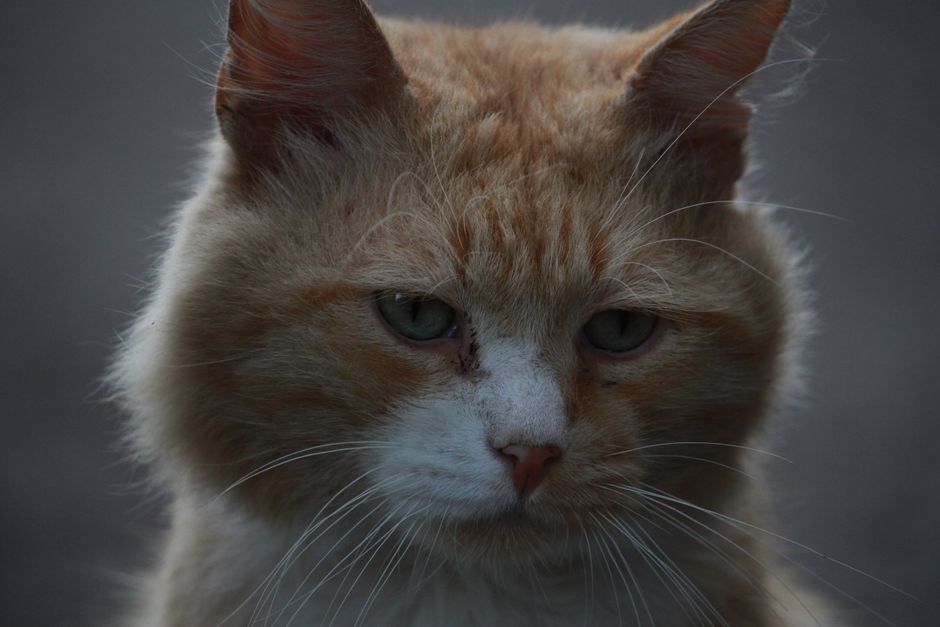
4. Decreased Interest in Play and Activities
A healthy cat maintains some level of playfulness throughout their life. When depression strikes, cats often lose interest in their favorite toys, stop engaging in hunting behaviors, and show little enthusiasm for activities they previously enjoyed. If your cat’s favorite feather wand or laser pointer no longer sparks interest, it’s time to investigate further.
5. Changes in Grooming Habits
Cats are meticulous groomers by nature, so any significant change in their grooming routine can signal emotional distress. Depressed cats might completely stop grooming, leading to a dull, matted coat, or they might over-groom specific areas, causing bald spots or skin irritation. Both extremes are concerning and require attention.
6. Unusual Vocalization Patterns
Your cat’s voice can tell you a lot about their emotional state. Some depressed cats become unusually quiet, rarely meowing or purring, while others might vocalize excessively with plaintive cries or yowls. Any significant change in your cat’s typical vocal patterns could be one of the key cat depression symptoms to monitor.
7. Litter Box Issues
Sudden changes in litter box habits often indicate either physical illness or emotional distress. Depressed cats might avoid their litter box entirely, eliminate in unusual locations, or show changes in frequency. While medical issues should be ruled out first, persistent litter box problems can be linked to depression, especially when combined with other behavioral changes.

What Triggers Depression in Cats?
Understanding potential triggers helps identify why your cat might be experiencing depression. Common causes include:
- Loss of a companion (human or animal)
- Moving to a new home
- Changes in household routine
- New family members or pets
- Seasonal changes or reduced sunlight
- Chronic illness or pain
- Lack of mental stimulation
Taking Action: How to Help Your Depressed Cat
Immediate Steps
If you’ve identified multiple signs depressed cat behavior in your feline friend, start with these immediate interventions:
First, schedule a veterinary examination to rule out underlying medical conditions. Many physical ailments can mimic depression symptoms, so it’s essential to eliminate health issues as the primary cause.
Maintain consistent routines for feeding, play, and interaction. Cats find comfort in predictability, and maintaining familiar patterns can help reduce anxiety and depression.
Long-term Support Strategies
Create an enriching environment with climbing trees, puzzle feeders, and rotating toys to stimulate your cat mentally and physically. Increase quality interaction time through gentle play sessions and quiet bonding moments.
Consider introducing calming aids like pheromone diffusers or anxiety-reducing supplements, but always consult your veterinarian first. Some cats benefit from companion animals, while others prefer being the only pet—know your cat’s preferences.
When to Seek Professional Help
While mild depression might resolve with environmental changes and increased attention, persistent symptoms lasting more than two weeks warrant professional intervention. Your veterinarian might recommend behavioral therapy, environmental modifications, or in some cases, anti-anxiety medications specifically designed for cats.
Prevention: Keeping Your Cat Emotionally Healthy
Preventing depression is always preferable to treating it. Maintain consistent routines, provide adequate mental stimulation, ensure regular veterinary care, and pay attention to your cat’s individual needs and preferences. Building a strong bond through daily interaction and play helps create emotional resilience.
Conclusion: Your Cat’s Mental Health Matters
Recognizing cat depression symptoms is the first step toward helping your feline companion overcome emotional challenges. Remember that every cat is unique, and what works for one might not work for another. The key is staying observant, acting promptly when you notice concerning changes, and working closely with your veterinarian to develop an appropriate treatment plan. With patience, understanding, and proper care, most cats can recover from depression and return to living their best nine lives. Your attentiveness to these warning signs demonstrates the deep love and commitment that makes you an exceptional cat parent.