Cat Hiccups Video Goes Viral: Are Hiccups Normal in Cats?
A recent viral video of a fluffy tabby cat experiencing adorable hiccups has captured millions of hearts across social media, leaving pet owners wondering: do cats get hiccups, and should I be concerned? While the rhythmic “hic-hic-hic” sounds accompanied by tiny body jerks might seem alarming at first, cat hiccups are actually more common than you might think. Just like humans, our feline companions can experience these involuntary diaphragm spasms, though they’re often much quieter and subtler than what we see in that trending cat hiccups video.
Understanding Cat Hiccups: What’s Really Happening?
When we ask “are cat hiccups normal,” the answer is a reassuring yes – in most cases. Hiccups occur when the diaphragm, a large muscle that helps with breathing, contracts involuntarily. This sudden contraction causes a quick intake of breath that’s abruptly stopped when the vocal cords snap shut, creating that distinctive hiccup sound.
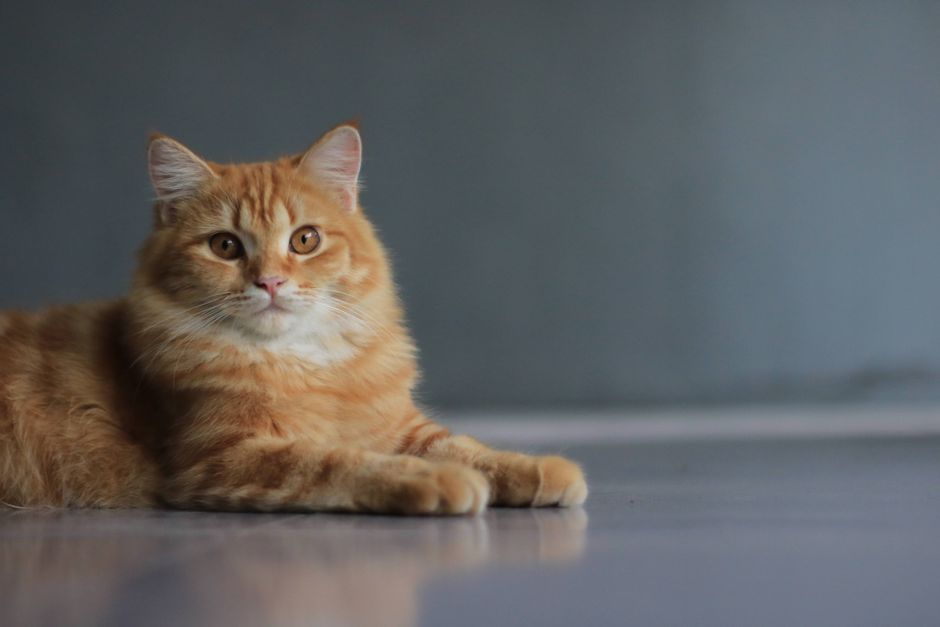
In cats, hiccups typically sound like a soft “chirp,” “click,” or barely audible “hic” – quite different from the loud, pronounced hiccups we humans experience. Many cat owners miss their pet’s hiccups entirely because they’re so quiet. You’re more likely to notice the slight jerking motion of your cat’s body rather than hear the actual sound.
Common Causes of Cat Hiccups
Eating and Drinking Habits
The most frequent trigger for cat hiccups relates to eating and drinking behaviors. Cats who eat too quickly, consume large portions, or gulp down water rapidly are more prone to hiccups. When your cat eats hastily, they often swallow excess air along with their food, which can irritate the diaphragm and trigger those telltale spasms.
Temperature-Related Triggers
Just like the ice-cold drink that gives you hiccups, cats can develop hiccups from consuming very cold water or food straight from the refrigerator. The sudden temperature change can shock the diaphragm into contracting irregularly.
Excitement and Stress
Emotional states can also influence whether cats get hiccups. Overly excited cats – perhaps anticipating their favorite treat or during intense play sessions – may breathe irregularly and develop hiccups. Similarly, stressed or anxious cats might experience changes in their breathing patterns that lead to diaphragm irritation.

When Cat Hiccups Are Normal vs. Concerning
Normal Hiccup Scenarios
Cat hiccups normal situations include:
- Brief episodes lasting only a few minutes
- Occasional occurrences (not daily)
- Hiccups that resolve on their own
- No accompanying symptoms like vomiting, difficulty breathing, or lethargy
- Young cats and kittens, who are more prone to hiccups due to their developing digestive systems
Red Flag Situations
While most cat hiccups are harmless, certain circumstances warrant veterinary attention:
- Hiccups lasting longer than a few hours
- Daily or very frequent hiccup episodes
- Hiccups accompanied by vomiting, gagging, or difficulty swallowing
- Signs of distress or discomfort during hiccup episodes
- Changes in appetite or eating behavior alongside persistent hiccups
Practical Tips to Help Your Hiccuping Cat
Immediate Relief Strategies
When your cat experiences hiccups, try these gentle interventions:
Encourage Calm Breathing: Gently pet your cat in long, slow strokes to help them relax and regulate their breathing. A calm cat is more likely to have their hiccups resolve quickly.
Offer Small Sips of Water: Room temperature water can sometimes help reset the diaphragm’s rhythm. Avoid cold water, which might worsen the situation.
Light Distraction: Engage your cat in gentle play or offer a small treat to redirect their attention and potentially interrupt the hiccup cycle.
Prevention Strategies
Slow Down Eating: If your cat tends to wolf down their food, consider using puzzle feeders, slow-feed bowls, or dividing their daily portions into smaller, more frequent meals. This prevents the rapid air swallowing that often triggers hiccups.
Temperature Control: Serve food and water at room temperature rather than straight from the refrigerator. This simple change can significantly reduce hiccup frequency in sensitive cats.
Stress Management: Create a calm eating environment away from other pets or household chaos. Some cats hiccup more when they feel rushed or competitive during mealtime.
The Viral Video Phenomenon: Why We Love Cat Hiccups
That adorable cat hiccups video that’s been making rounds on social media taps into our natural affection for pets displaying human-like behaviors. Seeing a cat experience something so relatable makes us feel more connected to our feline friends. However, it’s important to remember that while these videos are undeniably cute, they also serve as excellent educational opportunities for pet owners to learn about normal cat behaviors.
Age Matters: Kitten vs. Adult Cat Hiccups
Kittens are significantly more prone to hiccups than adult cats. Their smaller size, developing digestive systems, and tendency to eat enthusiastically all contribute to more frequent hiccup episodes. As cats mature, their eating habits typically become more refined, and hiccup frequency usually decreases naturally.
Conclusion: Embracing the Hiccup
So, do cats get hiccups? Absolutely! And in the vast majority of cases, cat hiccups normal occurrences that resolve quickly without intervention. While that viral cat hiccups video might have initially worried some pet parents, it’s actually showcasing a perfectly natural feline behavior. The key is knowing when to simply enjoy the adorable moment and when to seek professional advice. By understanding the common triggers and implementing simple prevention strategies, you can help minimize your cat’s hiccup episodes while ensuring they remain a harmless quirk rather than a health concern. Remember, a hiccuping cat is usually just a cat being wonderfully, typically feline – even if they don’t realize they’re being absolutely adorable while doing it.