Why Does My Cat Knead Me? The Science Behind Your Kitty’s ‘Making Biscuits’
If you’re a cat parent, you’ve likely experienced the adorable yet sometimes painful ritual of your feline friend rhythmically pressing their paws into your lap, blanket, or favorite sweater. This charming behavior, often called “making biscuits” or “kneading dough,” is one of the most endearing aspects of cat ownership. But have you ever wondered why your cat kneads you with such dedication? The answer lies in a fascinating blend of instinct, comfort, and deep-rooted feline psychology that dates back to their earliest days as kittens.

The Root of Cat Kneading Behavior: It All Starts with Mom
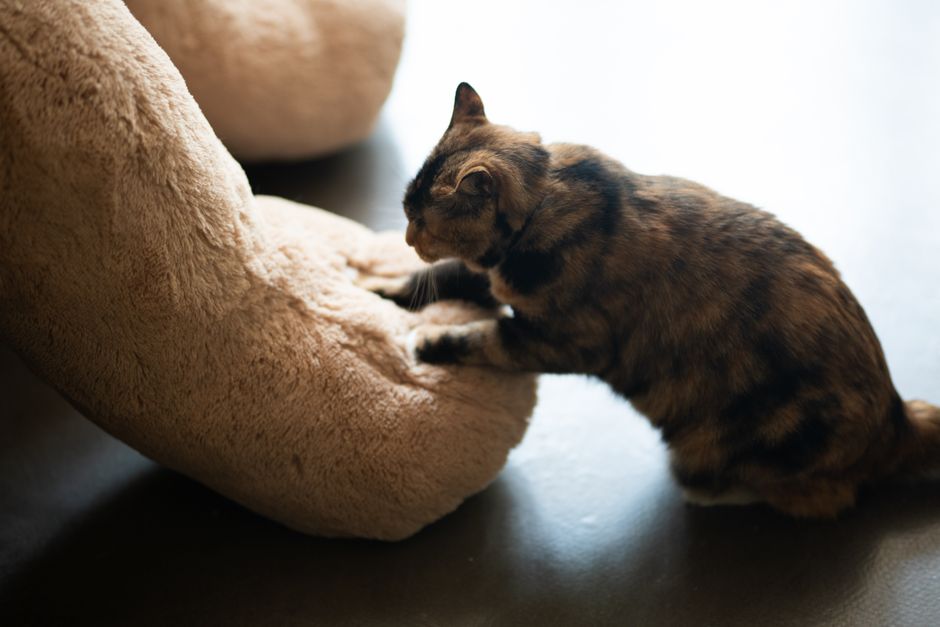
Cat kneading behavior originates from one of the most fundamental experiences in a kitten’s life – nursing. When kittens are born, they instinctively knead their mother’s belly with their tiny paws to stimulate milk production. This rhythmic pressing motion not only helps them access their life-sustaining nourishment but also creates a powerful association between kneading and comfort, security, and maternal love.
This early programming runs so deep that cats carry this behavior throughout their entire lives. When your adult cat kneads you, they’re essentially reverting to these earliest, most comforting memories. It’s a sign that they view you as a source of safety and care – much like their mother was during those crucial first weeks of life.
The Neurological Connection
From a scientific perspective, cat kneading behavior triggers the release of endorphins – the same “feel-good” hormones that humans experience during pleasant activities. When your cat kneads, their brain releases these natural mood enhancers, creating a positive feedback loop that reinforces the behavior. This explains why cats often appear to be in a trance-like state of bliss while making biscuits on your lap.
Why Cats Knead: The Multiple Motivations Behind the Behavior
Marking Territory Through Scent
Beyond the comfort factor, why cats knead also relates to territory marking. Cats have scent glands located in their paw pads, and when they knead surfaces (including you), they’re depositing their unique scent. This behavior serves as a way of claiming ownership and creating a familiar, secure environment. When your cat kneads your favorite chair or your lap, they’re essentially saying, “This belongs to our family unit.”
Preparing the Perfect Resting Spot
Another practical reason behind cat making biscuits behavior stems from their wild ancestry. In nature, cats would knead grass, leaves, or other materials to create comfortable sleeping areas. This instinctual behavior helped them create soft, safe nests while also checking for potential threats like snakes or insects hiding in the vegetation. Your domestic cat still carries this programming, which is why they often knead blankets, pillows, or your lap before settling down for a nap.
Expressing Contentment and Affection
When cats knead their human companions, it’s one of the highest compliments they can give. This behavior indicates that your cat feels completely safe, loved, and content in your presence. Cats are naturally cautious creatures, so the fact that they’re willing to engage in such a vulnerable, instinctual behavior shows their deep trust in you.
Understanding the Kneading Process: What to Expect
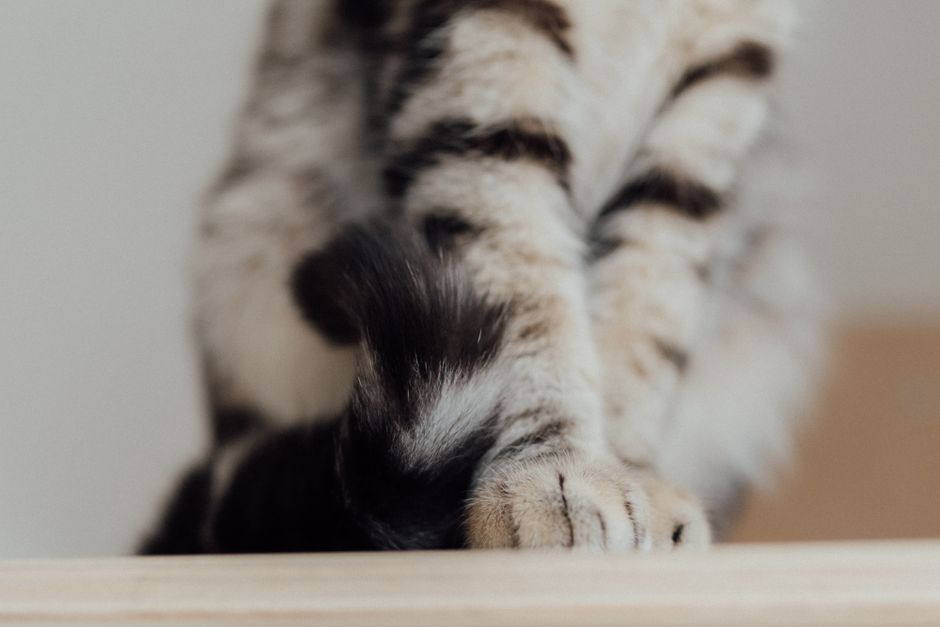
Cat kneading behavior typically follows a predictable pattern. Your cat will position themselves on a soft surface (often your lap, a blanket, or a favorite cushion) and begin alternately pressing their front paws in a rhythmic motion. You might notice their claws extending and retracting during this process, which can sometimes be uncomfortable for humans on the receiving end.
Many cats also purr loudly during kneading sessions, and some may even drool slightly – both signs of extreme contentment. The session can last anywhere from a few minutes to half an hour, depending on your cat’s mood and comfort level.
Practical Tips for Managing Your Cat’s Kneading Behavior
Protecting Yourself from Sharp Claws
While cat making biscuits is a sign of affection, those sharp claws can make the experience less enjoyable for humans. Here are some strategies to make kneading sessions more comfortable for everyone:
- Keep your cat’s claws trimmed: Regular nail trims every 2-3 weeks can significantly reduce discomfort during kneading sessions
- Use a thick blanket or towel: Place a protective barrier between your cat’s claws and your skin
- Invest in claw caps: These soft, temporary covers can be applied to your cat’s claws to prevent scratching
- Redirect to appropriate surfaces: Provide soft blankets or special kneading pads that your cat can use instead of your lap
Encouraging Positive Kneading Habits
Rather than discouraging this natural behavior, focus on channeling it appropriately:
- Create designated kneading spots: Place soft, washable blankets in your cat’s favorite areas
- Use positive reinforcement: Gently praise your cat when they knead appropriate surfaces
- Never punish kneading behavior: This can damage your bond and cause stress for your cat
- Be patient: Remember that kneading is a natural, instinctual behavior that brings your cat comfort
When to Be Concerned About Cat Kneading Behavior
While cat kneading behavior is generally normal and healthy, there are some situations where you might want to consult with your veterinarian:
- Sudden changes in kneading frequency or intensity
- Aggressive or painful kneading that seems compulsive
- Kneading accompanied by other unusual behaviors or symptoms
- Complete cessation of kneading in a cat that previously engaged in this behavior regularly
Conclusion: Embracing Your Cat’s Natural Instincts
Understanding why cats knead helps us appreciate this behavior as one of the most genuine expressions of feline love and contentment. When your cat chooses to make biscuits on your lap, they’re sharing one of their most instinctual and comforting behaviors with you – a true honor in the world of cat companionship.
Rather than viewing cat making biscuits as an inconvenience, try to see it as a special bonding moment with your feline friend. With proper preparation and understanding, you can enjoy these sessions while keeping both you and your cat comfortable. Remember, a kneading cat is typically a happy, secure cat – and that’s something worth celebrating in any pet-loving household.
The next time your kitty starts their rhythmic paw massage, take a moment to appreciate the deep trust and affection behind this ancient feline ritual. After all, in choosing you as their favorite kneading surface, your cat is telling you that you’re their safe space, their comfort zone, and their chosen family.