Winter Safety Tips: Protecting Your Dog’s Paws from Salt and Ice
As winter’s icy grip tightens and sidewalks become slick with salt and de-icing chemicals, your furry companion faces unique challenges that many pet owners overlook. While we bundle up in warm coats and waterproof boots, our dogs’ sensitive paw pads are left vulnerable to harsh winter conditions that can cause painful injuries, chemical burns, and long-term damage. Understanding proper dog paw protection winter strategies isn’t just about comfort—it’s about preventing serious health issues that could sideline your beloved pet for weeks.
Understanding Winter Paw Hazards
Winter presents a perfect storm of threats to your dog’s delicate paw pads. Road salt, while essential for human safety, contains sodium chloride and other chemicals that can cause severe irritation, cracking, and chemical burns on sensitive paw tissue. Ice formations create sharp edges that can cut paw pads, while freezing temperatures reduce blood flow to extremities, making tissue more susceptible to frostbite.
De-icing chemicals like calcium chloride and magnesium chloride are particularly aggressive, capable of causing immediate burning sensations and long-term tissue damage. When dogs instinctively lick their paws to clean them, they risk ingesting these toxic substances, potentially leading to gastrointestinal upset, excessive drooling, and more serious poisoning symptoms.
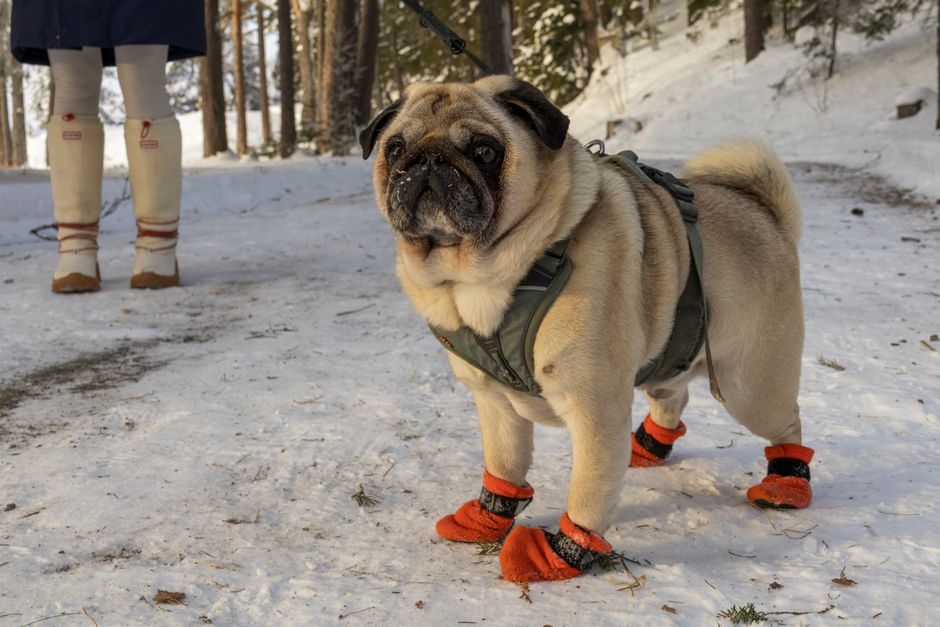
Essential Dog Boots for Salt and Ice Protection
Investing in quality dog boots salt ice protection represents the most effective defense against winter paw hazards. Modern dog boots have evolved far beyond simple fabric coverings, now featuring waterproof materials, reflective strips for visibility, and ergonomic designs that accommodate natural paw movement.
Choosing the Right Dog Boots
When selecting winter boots, prioritize waterproof or water-resistant materials like neoprene or rubber that create effective barriers against salt and moisture. Look for boots with adjustable straps that secure snugly without cutting off circulation, and consider options with reflective elements for enhanced visibility during shorter winter days.
Proper sizing is crucial—boots that are too tight restrict circulation and cause discomfort, while loose boots fall off easily and provide inadequate protection. Measure your dog’s paws when they’re standing and bearing weight, as paws naturally spread during walking. Most manufacturers provide detailed sizing charts to ensure optimal fit.
Boot Training and Acclimation
Many dogs initially resist wearing boots, lifting their feet awkwardly or attempting to remove them. Start the acclimation process indoors, allowing your dog to wear boots for short periods while engaging in positive activities like feeding or playing. Gradually increase wearing time and reward calm acceptance with treats and praise.
Alternative Paw Protection Methods
For dogs who absolutely refuse boots or in situations where boots aren’t practical, several alternative winter dog safety strategies can provide meaningful protection.
Protective Paw Waxes and Balms
Specialized paw waxes create temporary barriers against salt and ice while moisturizing paw pads to prevent cracking. Apply these products before outdoor excursions, focusing on paw pads and between toes where salt and ice commonly accumulate. Natural ingredients like beeswax, coconut oil, and shea butter offer protection without harmful chemicals.
Paw Washing Stations
Establish a routine paw cleaning station near your entry door, equipped with warm water, mild soap, and soft towels. Immediately after winter walks, rinse your dog’s paws thoroughly to remove salt residue and ice buildup. Pay special attention to areas between toes where chemicals concentrate and cause maximum irritation.
Recognizing Paw Injury Warning Signs
Despite preventive measures, winter paw injuries can still occur. Vigilant pet owners should monitor for limping, excessive licking or chewing of paws, visible cuts or cracks in paw pads, swelling, or unusual sensitivity when touching paws. Red, inflamed skin between toes often indicates chemical irritation from road salt exposure.
More serious symptoms like bleeding, deep cracks, or signs of frostbite (pale or grayish skin) require immediate veterinary attention. Early intervention prevents minor issues from developing into serious infections or permanent damage.

Additional Winter Safety Considerations
Comprehensive winter dog safety extends beyond paw protection. Trim excess hair between your dog’s toes to prevent ice ball formation, which can cause painful pulling and provide hiding spots for salt accumulation. Keep toenails properly trimmed to maintain natural traction on slippery surfaces.
Consider adjusting walk schedules to avoid peak salting times, typically early morning hours when road crews apply fresh chemicals. Choose walking routes that prioritize less-treated surfaces like parks or residential sidewalks when possible.
Emergency Paw Care Protocol
When paw injuries do occur, quick action minimizes damage and promotes healing. For minor cuts, clean the area gently with warm water and apply antibacterial ointment before covering with a clean bandage. Salt burns require immediate flushing with copious amounts of clean water to dilute and remove chemical residue.
Create a basic paw care emergency kit containing sterile gauze, medical tape, antibacterial ointment, and your veterinarian’s contact information. Keep this kit easily accessible during winter months when paw injuries are most common.
Conclusion
Protecting your dog’s paws during winter requires proactive planning and consistent care, but the investment in proper dog paw protection winter strategies pays dividends in your pet’s comfort and health. Whether you choose dog boots salt ice protection, alternative barrier methods, or a combination of approaches, the key lies in consistent application and vigilant monitoring. Remember that every dog’s needs are unique—what works for one pet may require adjustment for another. By implementing these winter dog safety practices and remaining alert to potential problems, you can ensure your four-legged family member enjoys winter adventures safely and comfortably, with healthy paws ready for spring’s arrival.