Winter Safety Guide: Protecting Your Dog’s Paws From Ice and Salt
As winter’s icy grip takes hold, your four-legged companion faces hidden dangers lurking beneath every snowy step. While you bundle up in warm coats and slip-resistant boots, your dog’s paws remain vulnerable to harsh ice, road salt, and freezing temperatures that can cause painful injuries and long-term damage. Don’t let winter weather turn your daily walks into a painful ordeal for your beloved pet. This comprehensive guide will arm you with expert knowledge and practical solutions to keep your dog’s paws safe, healthy, and comfortable throughout the coldest months of the year.
Understanding Winter Paw Hazards
Winter presents numerous threats to your dog’s paw health that many pet owners overlook. Ice formations can create sharp edges that cut delicate paw pads, while prolonged exposure to freezing surfaces leads to frostbite and cracking. Road salt and chemical deicers pose an even greater danger, causing chemical burns, irritation, and toxicity if your dog licks their paws after walks.
Snow and ice tend to accumulate between your dog’s toes, forming painful ice balls that make walking uncomfortable and potentially dangerous. These frozen clumps can stretch the webbing between toes and create pressure points that lead to sores and infections. Additionally, the dry winter air combined with heated indoor environments can cause paw pads to become brittle and prone to cracking.
Essential Dog Paw Protection Strategies
Choosing the Right Dog Booties
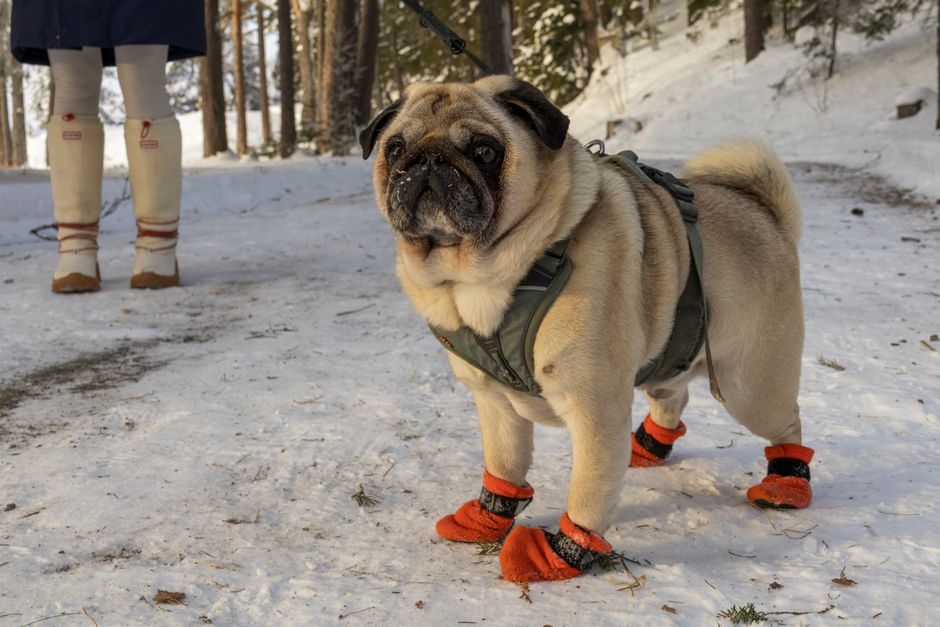
Dog booties represent the gold standard for winter paw protection, creating a barrier between your pet’s sensitive pads and harsh winter elements. When selecting booties for your dog, prioritize proper fit over style. Measure your dog’s paws carefully, ensuring the booties are snug but not restrictive, with enough room for natural toe movement.
Look for booties with waterproof exteriors, breathable linings, and secure fastening systems that won’t slip off during active play. Quality booties feature reinforced soles for durability and reflective elements for visibility during dark winter walks. Remember that most dogs need time to adjust to wearing booties, so introduce them gradually with positive reinforcement and treats.
Pre-Walk Preparation Techniques
Before venturing into winter weather, apply a thin layer of protective paw balm or petroleum jelly to your dog’s paw pads. This creates a barrier against ice and salt while preventing moisture loss. Focus on the paw pads and the areas between toes where ice commonly accumulates.
Trim excess hair between your dog’s toes to minimize ice ball formation. Long hair traps moisture and snow, creating perfect conditions for painful ice accumulation. Keep nail trimming current as well, since overgrown nails can cause balance issues on slippery surfaces.
Post-Walk Paw Care Routine
Establishing a thorough post-walk routine is crucial for maintaining healthy paws throughout winter. Immediately after returning from outdoor adventures, rinse your dog’s paws with lukewarm water to remove salt, chemicals, and ice particles. Avoid hot water, which can shock cold paws and cause discomfort.
Gently dry each paw with a soft towel, paying special attention to the spaces between toes where moisture tends to linger. Apply a moisturizing paw balm to prevent cracking and maintain pad flexibility. This routine also allows you to inspect for cuts, irritation, or signs of frostbite that require immediate attention.
Recognizing Signs of Paw Damage
Monitor your dog’s paws daily for signs of winter-related damage. Excessive licking, limping, or reluctance to walk may indicate pain or irritation. Visual signs include redness, swelling, cuts, or unusual odors that suggest infection. Frostbitten paws appear pale or grayish and feel unusually cold to the touch.
Chemical burns from road salt manifest as red, raw areas on paw pads, often accompanied by excessive drooling if your dog has licked the affected area. Any persistent limping or visible damage warrants immediate veterinary attention to prevent complications.
Alternative Protection Methods
When booties aren’t practical or your dog refuses to wear them, several alternative protection methods can help safeguard paws during winter walks. Paw wax creates a protective coating that repels moisture and provides a barrier against salt and chemicals. Unlike balms, wax formulations tend to stay in place longer during active walks.
Consider adjusting your walking routine to minimize exposure to harsh conditions. Choose routes that avoid heavily salted areas when possible, and opt for shorter, more frequent walks during extreme weather. Dog-safe ice melters for your own property eliminate the chemical hazard in your immediate environment.

Breed-Specific Considerations
Different dog breeds have varying levels of natural cold tolerance and paw protection needs. Nordic breeds like Huskies and Malamutes possess thicker paw pads and more fur between their toes, providing natural insulation. However, even cold-adapted breeds benefit from protection against chemical deicers and sharp ice.
Small breeds, short-haired dogs, and senior pets require extra attention during winter months. Their reduced body mass and thinner skin make them more susceptible to cold-related injuries. Consider investing in high-quality booties and limiting outdoor exposure during extreme weather conditions for these vulnerable populations.
Creating a Winter Safety Kit
Prepare a comprehensive winter paw care kit to ensure you’re ready for any situation. Include quality dog booties in the correct size, protective paw balm or wax, soft towels for drying, and lukewarm water for rinsing. Keep a flashlight handy for inspecting paws after evening walks, and maintain a supply of dog-safe treats for positive reinforcement when introducing protective gear.
Conclusion
Protecting your dog’s paws from ice and salt requires proactive planning and consistent care, but the investment in your pet’s comfort and health pays dividends throughout the winter season. By implementing proper paw protection strategies, maintaining regular care routines, and staying vigilant for signs of damage, you can ensure your furry companion enjoys safe, comfortable winter adventures. Remember that every dog’s needs are unique, so work with your veterinarian to develop a customized winter paw care plan that keeps your beloved pet happy and healthy all season long. With the right preparation and protective measures, winter walks can remain an enjoyable bonding experience for both you and your four-legged friend.