Winter Paw Care: How to Protect Your Dog’s Feet from Ice and Salt
As winter’s icy grip tightens and sidewalks become covered with snow and de-icing salt, your furry friend’s paws face unique challenges that can cause serious discomfort and health issues. Just like how you wouldn’t walk barefoot on frozen pavement, your dog’s sensitive paw pads need extra protection during the harsh winter months. Understanding proper winter dog paw care isn’t just about comfort—it’s essential for preventing painful injuries, chemical burns, and long-term paw damage that could affect your pet’s mobility and quality of life.
Understanding Winter Paw Hazards
Before diving into protection strategies, it’s crucial to understand what makes winter so challenging for your dog’s feet. Cold temperatures can cause paw pads to crack and become brittle, while ice can form painful balls between toes. Road salt and chemical de-icers pose perhaps the most serious threat, as these substances can cause chemical burns, severe irritation, and toxic reactions if your dog licks their paws after walks.
Snow itself can be deceptively harmful, especially when it’s wet and sticky. It can pack between your dog’s toes, freeze, and create uncomfortable ice balls that make walking painful. Additionally, hidden hazards like sharp ice chunks or frozen debris can cut sensitive paw pads, leading to infections if not properly treated.

Essential Winter Paw Protection Methods
Protective Booties and Paw Wear
Dog boots are one of the most effective ways to protect dog paws from ice and salt. While some dogs initially resist wearing them, properly fitted booties create a complete barrier between your pet’s paws and harsh winter conditions. Look for boots with non-slip soles, breathable materials, and secure but comfortable straps. Gradually introduce boots by having your dog wear them for short periods indoors before venturing outside.
When selecting booties, ensure they’re the right size—too tight can restrict circulation, while too loose will fall off or cause blisters. Many pet owners find success with rubber or neoprene options that provide waterproof protection while maintaining flexibility for natural movement.
Paw Balms and Protective Waxes
If boots aren’t practical for your dog, paw balms and protective waxes offer an excellent alternative for winter dog paw care. These products create a protective barrier that shields paw pads from salt and ice while moisturizing the skin to prevent cracking. Apply balm before walks, focusing on paw pads and between toes where ice balls typically form.
Look for balms containing natural ingredients like beeswax, shea butter, or coconut oil. Avoid products with toxic ingredients, as dogs often lick their paws after application. Some protective waxes are specifically designed to repel salt and ice, making them particularly effective for urban environments with heavy de-icer use.
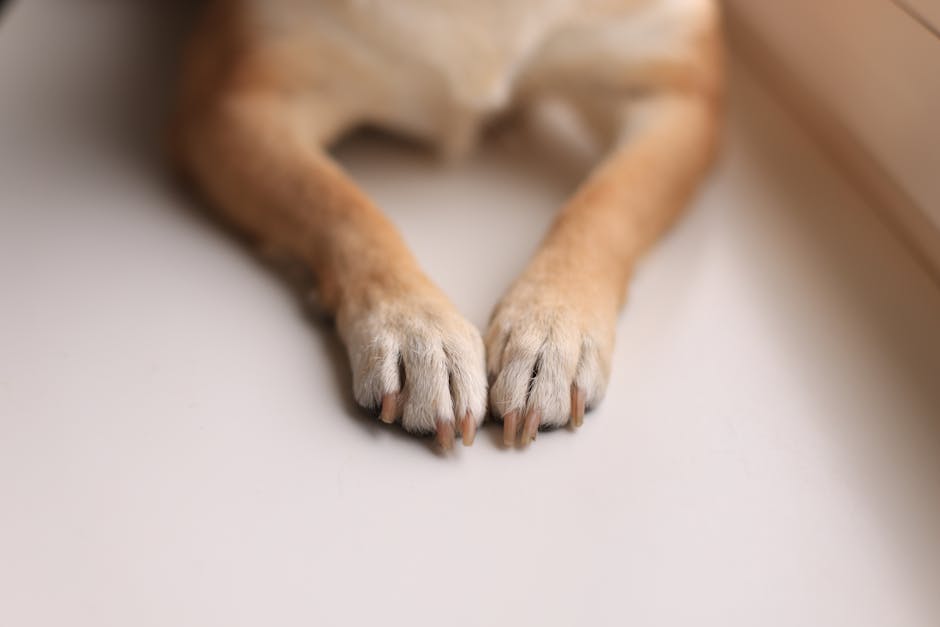
Pre-Walk and Post-Walk Care Routines
Pre-Walk Preparation
Establishing a pre-walk routine significantly improves your winter paw protection strategy. Start by trimming excess hair between your dog’s toes—long hair collects snow and ice, making ice ball formation more likely. Apply protective balm or fit booties, ensuring everything is secure and comfortable before heading outside.
Consider shortening walk duration during extreme cold snaps. Even with protection, prolonged exposure to harsh conditions can overwhelm your preventive measures. Plan routes that avoid heavily salted areas when possible, opting for grassy parks or less-treated sidewalks.
Post-Walk Paw Care
The post-walk routine is just as important as pre-walk preparation for effective winter dog paw care. Immediately after returning indoors, examine your dog’s paws for ice balls, cuts, or signs of irritation. Remove any visible ice or snow using warm (not hot) water, and gently dry the paws with a soft towel.
Rinse paws thoroughly to remove salt residue, paying special attention to areas between toes where chemicals can accumulate. After cleaning, apply a moisturizing paw balm to soothe any irritation and prevent cracking. This routine also gives you an opportunity to check for injuries that might need veterinary attention.
Recognizing Signs of Paw Problems
Even with diligent care, winter conditions can sometimes cause paw issues. Watch for signs including excessive licking or chewing of paws, limping, visible cracks or cuts, swelling, or reluctance to walk. Redness or raw areas between toes often indicate salt burn or frostbite, requiring immediate attention.
If your dog shows signs of pain when walking or constantly lifts their paws, discontinue outdoor activities and examine their feet carefully. Persistent limping, bleeding, or signs of infection warrant immediate veterinary consultation to prevent complications.

Alternative Winter Exercise Solutions
When outdoor conditions become too harsh, even with protective measures, consider alternative exercise options to keep your dog active and healthy. Indoor activities like stair climbing, hallway fetch, or puzzle toys can help maintain physical and mental stimulation. Many communities offer indoor dog parks or training facilities that provide safe exercise spaces during extreme weather.
For dogs that must go outside, consider timing walks during warmer parts of the day when salt is less concentrated and ice is less likely to form. Early afternoon often provides the best conditions for winter walks.
Conclusion
Protecting your dog’s paws during winter requires preparation, the right products, and consistent care routines. Whether you choose protective booties, paw balms, or a combination of methods, the key to successful winter dog paw care lies in being proactive rather than reactive. By implementing these strategies to protect dog paws from ice and salt, you’ll ensure your furry companion can enjoy winter activities safely and comfortably. Remember, healthy paws mean happy dogs, and a little extra care during harsh weather goes a long way toward preventing painful injuries and expensive veterinary bills. Your dog’s paws work hard year-round—they deserve the extra protection that winter demands.