Why Does My Cat Stare at Me? The Surprising Science Behind Feline Eye Contact
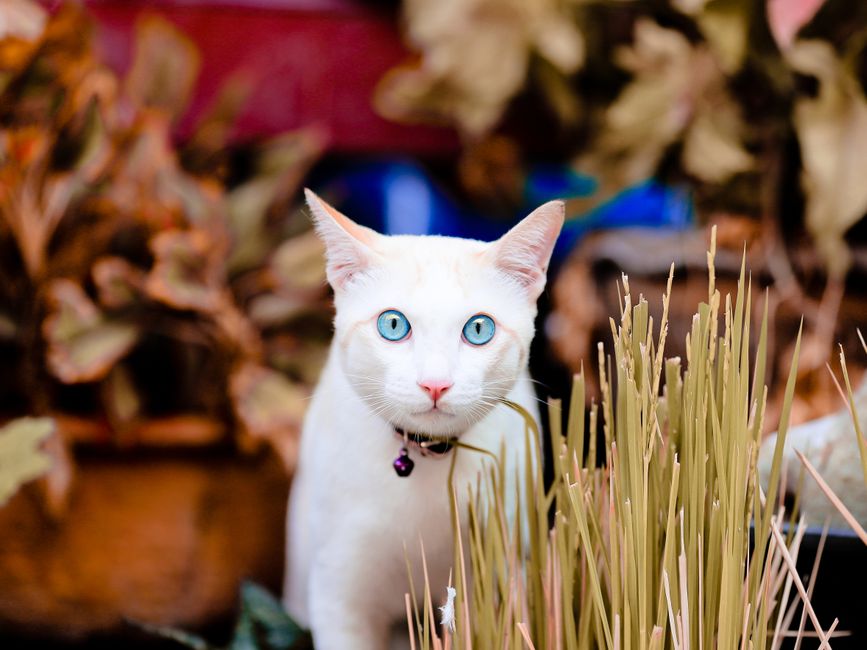
Have you ever caught your cat gazing at you with those mesmerizing eyes, wondering what’s going through their mysterious mind? You’re not alone. Cat staring behavior is one of the most intriguing aspects of feline communication that leaves pet owners both fascinated and puzzled. While it might feel like your furry friend is judging your life choices or plotting world domination, the truth behind why cats stare is far more complex and heartwarming than you might expect. Understanding cat eye contact can deepen your bond with your feline companion and help you respond appropriately to their silent messages.

The Science Behind Cat Staring Behavior
When your cat locks eyes with you, there’s actually sophisticated neurological processing happening behind those captivating pupils. Unlike dogs, who often view direct eye contact as confrontational, cats have developed a more nuanced relationship with visual communication through thousands of years of domestication.
Research in feline behavior shows that cat staring serves multiple purposes, from gathering information about their environment to expressing emotional states. Your cat’s brain is constantly analyzing visual cues, and sustained eye contact allows them to read your facial expressions, body language, and even predict your next move. This behavior is rooted in their wild ancestors’ survival instincts, where careful observation meant the difference between safety and danger.
Common Reasons Why Cats Stare at Their Humans
Affection and Bonding
One of the most heartwarming explanations for cat eye contact is pure love. When your cat stares at you with half-closed, sleepy eyes, they’re essentially giving you the feline equivalent of a kiss. This behavior, known as “slow blinking,” indicates trust, contentment, and affection. In the cat world, closing their eyes in your presence shows they feel completely safe and secure.
Attention-Seeking Behavior
Cats are remarkably intelligent creatures who quickly learn that staring gets results. If your cat has discovered that their intense gaze leads to treats, pets, or playtime, they’ll continue using this effective communication strategy. This type of cat staring behavior is often accompanied by meowing, purring, or positioning themselves directly in your line of sight.
Hunting and Play Instincts
Sometimes, your cat’s stare might seem more intense or focused, reflecting their natural predatory instincts. Even though you’re certainly not prey, your movements might trigger their hunting response. This is particularly common when you’re moving around the house, eating, or engaging in activities that capture their attention.
Communication and Request Behavior
Cats are masters of non-verbal communication, and staring is often their way of making specific requests. Whether they want access to their favorite sunny spot where you’re sitting, need their litter box cleaned, or are hoping for mealtime to arrive early, sustained eye contact is their polite way of getting their message across.
Reading Your Cat’s Eye Language
Understanding the nuances of cat eye contact requires paying attention to additional body language cues and environmental context. A relaxed stare accompanied by purring and a slowly swishing tail indicates contentment and affection. However, a rigid stare with dilated pupils, flattened ears, or a twitching tail might signal anxiety, overstimulation, or territorial concerns.
The duration and intensity of the stare also matter. Brief, soft gazes typically indicate positive emotions, while prolonged, unblinking stares might suggest your cat is trying to communicate a specific need or feeling uncertain about something in their environment.
How to Respond to Your Cat’s Staring
The Slow Blink Technique
When your cat stares at you lovingly, try responding with slow, deliberate blinks. This mimics their natural “cat kiss” behavior and reinforces the bond between you. Many cat owners report that their pets respond positively to this gesture, often returning the slow blinks or approaching for physical affection.
Assess Their Needs
Take a moment to consider what your cat might be trying to communicate. Check their food and water bowls, ensure their litter box is clean, and evaluate whether they might want attention or playtime. Responding appropriately to their silent requests strengthens your communication and helps meet their needs effectively.

Provide Environmental Enrichment
If your cat’s staring seems driven by boredom or excess energy, increase their environmental stimulation. Interactive toys, puzzle feeders, climbing structures, and regular play sessions can redirect their focus and provide mental stimulation that reduces attention-seeking behaviors.
When Cat Staring Might Be Concerning
While most cat staring behavior is perfectly normal, certain signs warrant attention from a veterinary professional. If your cat’s staring is accompanied by changes in appetite, litter box habits, vocalization patterns, or overall behavior, it could indicate underlying health issues or stress.
Additionally, if your cat seems to be staring at nothing or displaying signs of confusion, disorientation, or anxiety, these could be symptoms of cognitive changes or medical conditions that require professional evaluation.
Building Stronger Communication with Your Cat
Understanding why cats stare is just the beginning of developing deeper communication with your feline friend. Pay attention to their individual patterns and preferences, as each cat has unique ways of expressing themselves. Some cats are naturally more visual communicators, while others rely more heavily on vocalization or physical contact.
Create positive associations with eye contact by offering treats, gentle pets, or engaging play sessions when your cat seeks your attention through staring. This reinforces their communication attempts and encourages continued interaction.
Conclusion
The next time you catch your cat staring at you, remember that you’re witnessing a complex form of feline communication rooted in evolution, emotion, and intelligence. Whether they’re expressing love through slow blinks, requesting attention, or simply observing their favorite human, cat staring behavior offers a fascinating window into your pet’s inner world. By learning to interpret and respond to your cat’s eye contact appropriately, you’ll strengthen your bond and create a more harmonious relationship built on mutual understanding and respect. Embrace these silent conversations with your feline companion – they’re one of the many special ways cats show us just how much we mean to them.