Why Does My Cat Stare at Me? The Science Behind Your Cat’s Intense Gaze
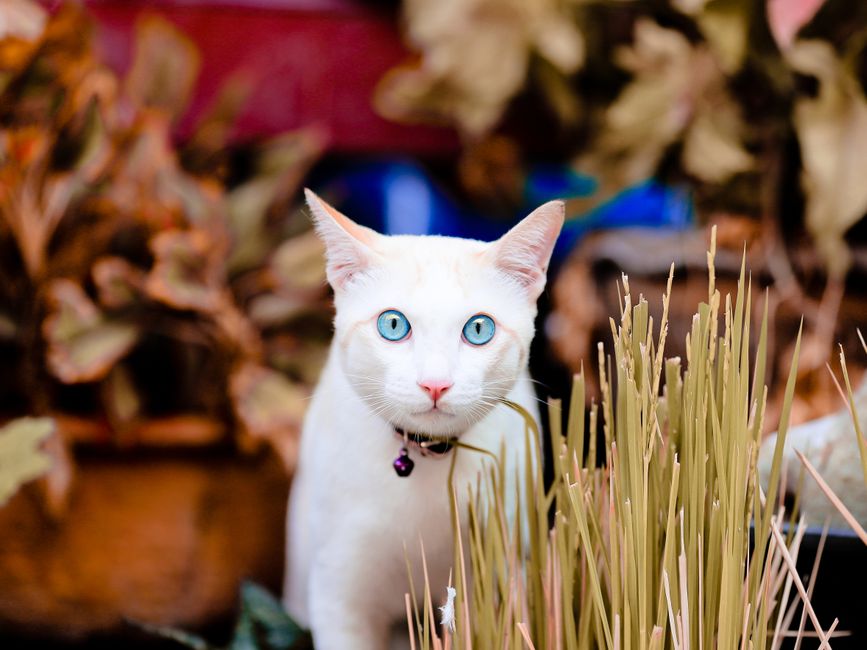
Have you ever caught your feline friend giving you that piercing, unblinking stare that seems to look straight into your soul? If you’ve wondered “why does my cat stare at me,” you’re not alone. This common cat behavior has puzzled pet owners for generations, but there’s actually fascinating science behind those intense feline gazes. Understanding your cat’s staring behavior can strengthen your bond and help you better communicate with your furry companion.

The Biology Behind Cat Staring Behavior
Cats are naturally visual hunters with eyes designed for focused observation. Their staring behavior stems from evolutionary adaptations that helped their wild ancestors survive. When your cat fixes their gaze on you, they’re using the same instinctual behavior that once helped them track prey and assess their environment for potential threats.
Unlike humans, cats don’t consider direct eye contact rude or confrontational in all contexts. In fact, prolonged staring serves multiple communication purposes in feline body language. The intensity and duration of your cat’s stare can convey different messages, from affection to curiosity to demands for attention.
Common Reasons Why Your Cat Stares at You
Seeking Attention and Communication
One of the most frequent reasons for cat staring behavior is simple communication. Your cat has learned that looking at you often results in interaction, whether that’s petting, treats, or playtime. This learned behavior reinforces the staring pattern, making it a reliable way for your cat to get what they want.
Cats are incredibly observant and quickly pick up on your daily routines. They may stare at you when they anticipate meal times, play sessions, or other activities they associate with your behavior patterns.
Expressing Affection Through Slow Blinking
When cats stare at their owners with half-closed eyes and slow blinks, they’re actually showing love and trust. This behavior, often called “cat kisses,” is a sign of contentment and affection. If your cat maintains eye contact while slowly closing and opening their eyes, they’re expressing genuine fondness for you.
Curiosity and Environmental Assessment
Cats are naturally curious creatures who use staring to gather information about their surroundings. Your cat might stare at you to understand what you’re doing, especially if you’re engaged in an unusual activity or handling something that interests them.
This observational behavior helps cats learn about their environment and the people in it. They’re constantly processing visual information to make sense of their world, and you’re an important part of that world.
Hunting Instincts and Predatory Behavior
Sometimes, cat staring behavior is triggered by movement or sounds that activate their hunting instincts. If you’re moving around, eating, or handling small objects, your cat might stare with the same intensity they’d use when watching potential prey.
This doesn’t mean your cat sees you as prey, but rather that their predatory instincts are engaged by the movement and activity around them.
When Cat Staring Might Signal Health Issues
While most staring behavior is normal, certain types of intense gazing could indicate health problems. If your cat’s staring is accompanied by other symptoms like changes in appetite, lethargy, or unusual vocalizations, it might be worth consulting your veterinarian.
Cognitive dysfunction in older cats can sometimes manifest as prolonged staring or appearing “spaced out.” Additionally, vision problems might cause cats to stare more intently as they try to focus on visual stimuli.
How to Respond to Your Cat’s Staring
Positive Reinforcement Techniques
When your cat stares at you in a relaxed, non-demanding way, you can respond positively by slow blinking back at them. This mimics their affectionate communication style and can strengthen your bond.
Avoid staring back aggressively or for extended periods, as this might be interpreted as threatening behavior. Instead, acknowledge your cat’s gaze with gentle verbal communication or a brief, soft look.
Setting Boundaries
If your cat’s staring becomes demanding or disruptive, you can redirect their attention to appropriate activities. Provide interactive toys, puzzle feeders, or scheduled play sessions to give them mental and physical stimulation that satisfies their need for engagement.

Understanding Different Types of Cat Stares
Not all cat stares are created equal. Learning to distinguish between different types of staring behavior can help you respond appropriately:
Relaxed staring typically involves soft eyes, possibly with slow blinking, and indicates contentment or mild curiosity. Intense staring with dilated pupils might signal excitement, fear, or overstimulation. Demanding stares often occur near meal times or when cats want something specific and may be accompanied by vocalizations.
Building Better Communication with Your Cat
Understanding why your cat stares at you is just one part of feline communication. Pay attention to other body language cues like tail position, ear orientation, and vocalizations to get a complete picture of what your cat is trying to tell you.
Consistent, gentle responses to your cat’s communication attempts will help build trust and strengthen your relationship. Remember that each cat is individual, and their staring behavior may have unique meanings based on their personality and experiences.
Conclusion
The next time you wonder “why does my cat stare at me,” remember that this behavior is a natural and meaningful form of feline communication. Whether your cat is expressing affection, seeking attention, or simply satisfying their curiosity, their intense gaze is one of the many ways they connect with you. By understanding and appropriately responding to your cat’s staring behavior, you’re taking an important step toward deeper communication and a stronger bond with your feline companion. Pay attention to the context and accompanying body language, and you’ll become fluent in your cat’s unique visual vocabulary.