Why Does My Cat Stare at Me? The Science Behind Feline Eye Contact
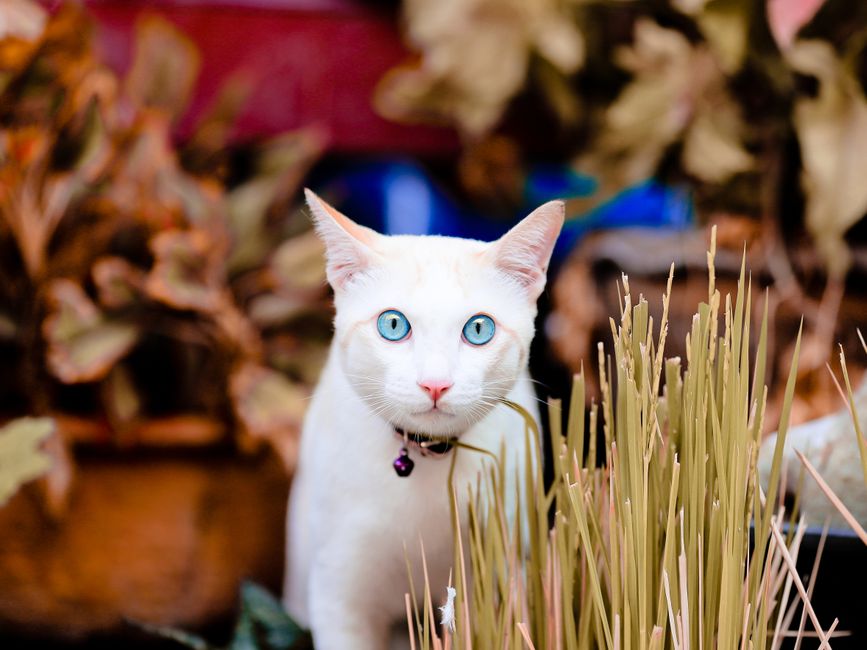
Have you ever caught your feline friend gazing intensely at you from across the room, those mesmerizing eyes seemingly penetrating your very soul? If you’re wondering about your cat’s staring behavior, you’re not alone. Millions of cat owners find themselves puzzled by their pet’s unwavering gaze, often asking “why do cats stare at owners?” The truth is, cat staring behavior is far more complex and fascinating than you might imagine, involving everything from evolutionary survival instincts to expressions of deep affection.
The Evolutionary Roots of Cat Staring Behavior
To understand why your cat stares at you, we need to dive into their wild ancestry. Cats are natural predators, and staring is an essential hunting technique that has been hardwired into their DNA over thousands of years. In the wild, focused visual attention helps cats track prey, assess threats, and maintain awareness of their surroundings.
When your domestic cat exhibits staring behavior toward you, they’re drawing upon these same instinctual patterns. However, the context has shifted dramatically. Instead of stalking prey, your cat is likely using their keen observation skills to read your body language, predict your next move, or simply gather information about their beloved human companion.

Decoding Different Types of Cat Stares
The Slow Blink Stare
One of the most endearing forms of cat staring behavior is the slow blink stare. When cats stare at owners while slowly closing and opening their eyes, it’s often called a “cat kiss.” This behavior indicates trust, contentment, and affection. Your cat is essentially telling you they feel safe and comfortable in your presence.
The Intense, Unblinking Stare
A more focused, unblinking stare might indicate that your cat wants something specific from you. This could be food, attention, access to a particular room, or simply acknowledgment. Pay attention to the context – is it near mealtime? Are they positioned near their food bowl or a closed door?
The Predatory Stare
Sometimes, cats stare at their owners with the same intensity they’d reserve for prey. Don’t worry – this doesn’t mean they’re planning to attack you! This type of staring often occurs during play sessions or when your cat is feeling particularly energetic and sees your moving hands or feet as potential “prey” to pounce on.
What Your Cat’s Staring Really Means
Communication and Attention-Seeking
Cat staring behavior is often a sophisticated form of non-verbal communication. Cats are incredibly observant creatures who quickly learn their owners’ routines and behaviors. When they stare at you, they might be trying to communicate a specific need or desire. This could range from requesting food or treats to seeking playtime or cuddles.
Love and Bonding
Contrary to popular belief, prolonged eye contact between cats and their owners can actually be a sign of deep affection and bonding. Research has shown that when cats stare at owners they trust, it releases oxytocin – the same “love hormone” that strengthens bonds between humans. Your cat’s steady gaze might simply be their way of saying “I love you.”
Curiosity and Learning
Cats are naturally curious creatures, and staring is one of their primary ways of gathering information about their environment. Your cat might stare at you to learn your patterns, understand your emotions, or simply because they find your behavior interesting or unpredictable.
When Cat Staring Behavior Might Be Concerning
While most cat staring is perfectly normal, there are certain situations where this behavior might indicate an underlying issue:
- Medical concerns: Sudden changes in staring behavior, especially if accompanied by other symptoms like lethargy or loss of appetite, could indicate health problems
- Stress or anxiety: Excessive staring combined with hiding, aggression, or changes in eating habits might signal stress
- Cognitive dysfunction: In senior cats, unusual staring behavior could be related to cognitive decline
How to Respond to Your Cat’s Staring
Positive Reinforcement Techniques
When your cat stares at you in a loving or attention-seeking manner, respond positively to reinforce the bond. Try slow blinking back at them – this mimics their natural “cat kiss” behavior and can strengthen your relationship. You can also speak softly to them or offer gentle pets if they seem receptive.
Meeting Their Needs
If you suspect your cat’s staring behavior is related to a specific need, try to identify and address it. Check their food and water bowls, consider whether they need playtime or attention, or assess if they’re trying to access a particular area of your home.

Setting Boundaries
If your cat’s staring becomes excessive or problematic, you can gently redirect their attention. Engage them in interactive play, provide puzzle toys, or create environmental enrichment to give them alternative focuses for their attention.
Practical Tips for Cat Owners
- Observe the context: Pay attention to when and where your cat stares to better understand their motivation
- Maintain eye contact: Don’t be afraid to engage in gentle eye contact with your cat – it can strengthen your bond
- Practice slow blinking: Return your cat’s slow blinks to communicate affection
- Provide mental stimulation: Offer puzzle toys and interactive games to satisfy their observational instincts
- Establish routines: Consistent daily routines can reduce attention-seeking staring behavior
Conclusion
Understanding your cat’s staring behavior opens a window into the complex inner world of your feline companion. Whether your cat stares at you out of love, curiosity, or a desire to communicate their needs, this behavior is typically a normal and healthy part of cat-human interaction. By learning to interpret the different types of stares and responding appropriately, you can strengthen your bond with your cat and ensure their emotional and physical needs are met. Remember, when cats stare at owners, they’re often expressing trust, affection, and a desire to connect – making those intense gazing sessions a beautiful testament to your special relationship.