Why Does My Cat Stare at Me? Decoding Feline Eye Contact
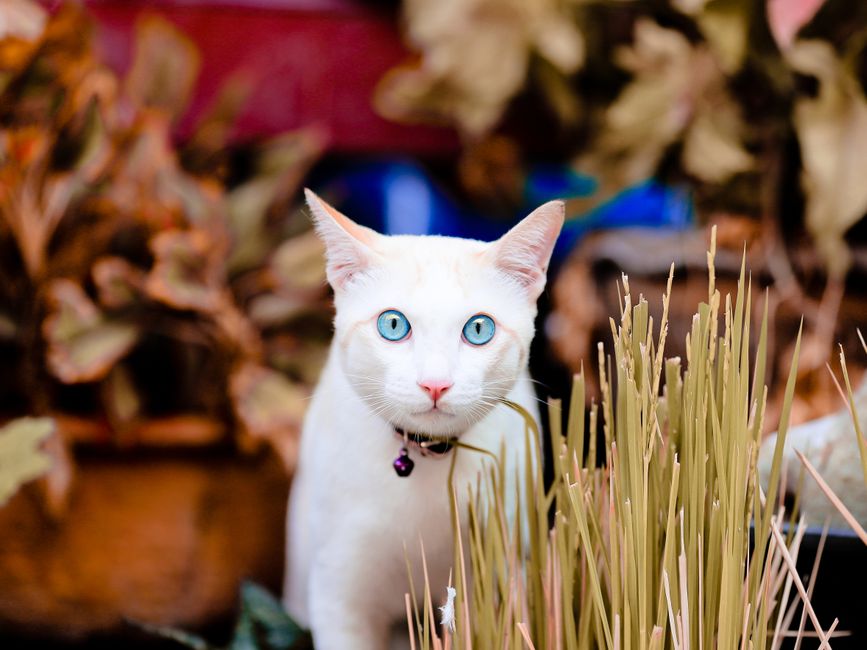
Have you ever caught your cat gazing intently at you with those mesmerizing eyes, leaving you wondering what’s going through their mysterious mind? If you’re puzzled by your feline friend’s staring behavior, you’re not alone. Cat staring behavior is one of the most common yet misunderstood aspects of feline communication. Unlike humans, cats use eye contact as a complex form of communication that can convey everything from deep affection to urgent needs. Understanding why cats stare at owners can strengthen your bond and help you respond appropriately to your pet’s silent messages.
The Science Behind Cat Staring Behavior
Cats are naturally observant creatures with exceptional visual abilities. Their eyes are designed to detect even the slightest movements, making them excellent hunters in the wild. When your cat stares at you, they’re utilizing these keen observational skills to gather information about your mood, intentions, and potential actions.
Research shows that domestic cats have evolved sophisticated communication methods with humans that differ significantly from their interactions with other cats. In the feline world, direct eye contact is often considered confrontational or threatening. However, cats have adapted their behavior to communicate more effectively with their human companions, using prolonged eye contact as a way to connect and communicate.

Common Reasons Why Cats Stare at Their Owners
Expressing Love and Affection
One of the most heartwarming reasons for cat staring behavior is pure affection. When cats gaze at their owners with half-closed, relaxed eyes, they’re essentially giving you a “cat kiss.” This slow blinking behavior is a sign of trust and contentment. If your cat maintains gentle eye contact while purring or approaching you calmly, they’re likely expressing their love.
Seeking Attention or Interaction
Cats are intelligent creatures who quickly learn that staring often results in attention from their humans. If your cat stares at you persistently, especially while positioned near you or following you around, they may simply want interaction, petting, or playtime. This learned behavior reinforces why cats stare at owners – it’s an effective communication tool that usually gets results.
Requesting Food or Treats
Many cat owners recognize the infamous “feed me” stare. Cats are creatures of habit and excellent at reading human routines. If your cat stares at you around mealtime or while positioned near their food bowl, they’re likely communicating their hunger or desire for treats. This type of staring is often accompanied by meowing, purring, or rubbing against your legs.
Monitoring Your Activities
Cats are naturally curious and like to keep tabs on their territory and the people in it. Sometimes cat staring behavior simply stems from curiosity about what you’re doing. Whether you’re cooking, working, or moving around the house, your cat may stare to understand your activities and anticipate any opportunities for interaction or food.
Feeling Anxious or Uncertain
Not all staring indicates positive emotions. Sometimes cats stare when they feel anxious, confused, or uncertain about a situation. This type of staring might be accompanied by other body language cues such as flattened ears, a twitching tail, or a crouched posture. Understanding these contextual clues is crucial for interpreting your cat’s emotional state.
How to Respond to Your Cat’s Staring
The Slow Blink Technique
When your cat stares at you lovingly, try returning a slow blink. Close your eyes slowly and open them gently while looking at your cat. This mimics the natural “cat kiss” and can strengthen your bond. Many cats will respond with their own slow blink, creating a beautiful moment of interspecies communication.
Assess the Context
Before responding to why cats stare at owners, consider the circumstances. Is it mealtime? Has your cat been alone for a while? Are there any environmental changes? Understanding the context will help you respond appropriately to your cat’s needs.
Provide Appropriate Responses
If your cat’s staring indicates hunger, provide food at appropriate times rather than giving in to constant demands. For attention-seeking stares, engage in play or petting sessions. If the staring seems anxious, try to identify and address the source of stress in your cat’s environment.

When Cat Staring Might Indicate Health Issues
While most cat staring behavior is normal, sudden changes in staring patterns could signal health problems. If your typically social cat begins staring blankly or seems to stare at nothing, this might indicate vision problems, cognitive issues, or neurological concerns. Similarly, if staring is accompanied by other behavioral changes like loss of appetite, lethargy, or unusual vocalizations, consult your veterinarian.
Signs to Watch For
- Blank, unfocused staring at walls or empty spaces
- Sudden increase or decrease in typical staring behavior
- Staring accompanied by disorientation or confusion
- Changes in pupil size or eye appearance
- Staring combined with other concerning symptoms
Building Better Communication with Your Cat
Understanding cat staring behavior is just one aspect of feline communication. To build a stronger relationship with your cat, pay attention to their body language, vocalizations, and behavioral patterns. Consistency in your responses helps your cat understand what to expect from interactions, creating a more harmonious relationship.
Remember that each cat is unique, and what applies to one may not apply to another. Spend time observing your specific cat’s patterns and preferences to better understand their individual communication style.
Conclusion
Cat staring behavior is a fascinating aspect of feline communication that serves multiple purposes, from expressing affection to requesting attention or food. By understanding why cats stare at owners, you can respond more appropriately to your pet’s needs and strengthen your bond. Remember that context is key – consider your cat’s body language, the environment, and timing when interpreting their stares. While most staring is perfectly normal, stay alert to any sudden changes that might indicate health issues. With patience and observation, you’ll become fluent in your cat’s unique visual language, leading to a deeper, more satisfying relationship with your feline companion.