Why Does My Cat Stare at Me? 7 Surprising Reasons Revealed
Have you ever caught your feline friend watching you with those intense, unblinking eyes? If you’ve found yourself wondering “why is my cat staring at me,” you’re not alone. This common cat behavior has puzzled pet owners for centuries, and while it might seem mysterious or even unsettling at times, there are fascinating reasons behind your cat’s piercing gaze. Understanding why cats stare can help you better connect with your furry companion and respond appropriately to their needs.
1. Your Cat is Showing Love and Affection
One of the most heartwarming reasons your cat might be staring at you is pure affection. When cats stare at their favorite humans with relaxed body language and slow blinks, they’re actually expressing love. This behavior, often called “cat kisses” or “slow blinking,” is your feline’s way of saying “I trust you completely.”
If your cat is staring at you with half-closed eyes and begins to slowly blink, try returning the gesture. Slowly close and open your eyes while looking at your cat – you might be surprised to see them mirror the behavior, strengthening your bond even further.

2. They’re Seeking Attention or Interaction
Cat staring at me often translates to “Hey, human, pay attention to me!” Cats are intelligent creatures who quickly learn that direct eye contact is an effective way to capture their owner’s focus. If your cat maintains steady eye contact while positioned near you, they likely want interaction, whether it’s playtime, petting, or simply acknowledgment.
This attention-seeking stare is usually accompanied by other behaviors like:
- Meowing or chirping
- Head bumping or rubbing
- Positioning themselves in your line of sight
- Following you around the house
3. Your Cat is Hungry or Wants Treats
Perhaps one of the most common reasons for persistent cat staring is food-related. Cats are creatures of habit and excellent timekeepers, especially when it comes to meal schedules. If you notice your cat staring intensely around feeding time or while you’re in the kitchen, they’re likely reminding you about their dining needs.
This food-focused stare often includes additional cues like walking toward their food bowl, meowing, or positioning themselves near where treats are stored. Many cats have trained their humans quite effectively using this staring technique!
4. They’re Studying and Learning About You
Cats are naturally curious and observant animals. When cats stare at their owners, they might be studying your behavior patterns, facial expressions, and body language. This learning behavior helps them predict your actions and understand your moods better.
Your cat might be trying to figure out:
- Whether you’re about to get up and do something interesting
- If you’re in a mood for play or cuddles
- What your current emotional state indicates
- If you’re showing signs of preparing food or leaving the house
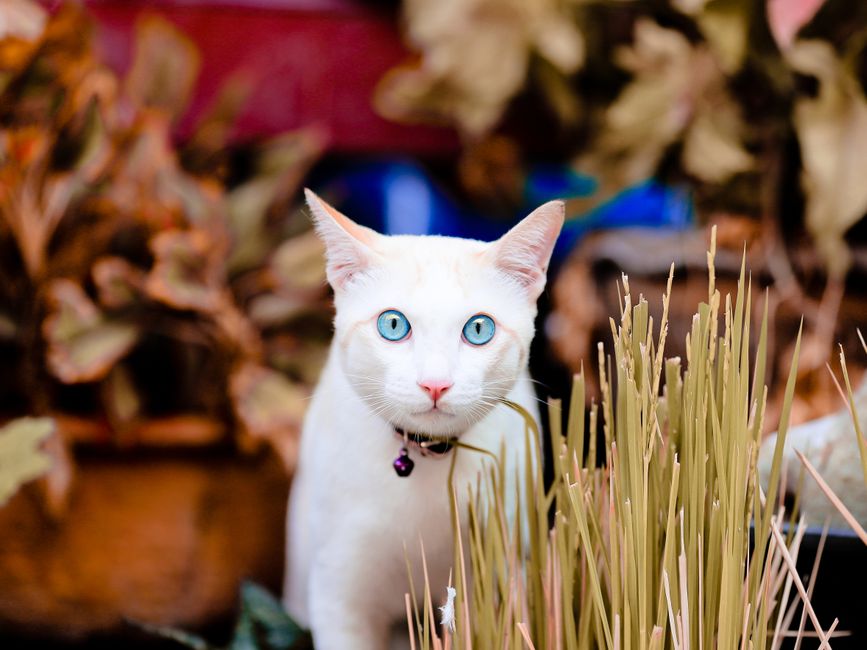
5. Territorial Awareness and Protection
Sometimes, cat behavior explained through the lens of territory and protection reveals another reason for staring. Cats may stare at their owners as part of their natural guarding instincts. If your cat positions themselves where they can observe both you and potential entry points to your home, they might be keeping watch over their territory – which includes you as their beloved family member.
This protective staring is often more alert and focused, with ears perked forward and an attentive posture. It’s your cat’s way of being your personal security system.
6. Communication and Mimicking Human Behavior
Cats are remarkably adaptable to human communication styles. Since humans use eye contact as a primary form of communication, many cats learn to stare as a way to “talk” with their owners. This learned behavior shows how well cats can adapt to living with humans and demonstrates their intelligence in picking up our social cues.
Some cats become so attuned to human communication that they develop specific stares for different needs – one look for food, another for play, and yet another for affection. Learning to recognize these subtle differences can greatly improve your communication with your feline friend.
7. Medical or Stress-Related Reasons
While most staring behavior is normal and positive, it’s important to recognize when it might indicate health concerns. Excessive or unusual staring accompanied by other symptoms could signal:
- Cognitive dysfunction in senior cats
- Stress or anxiety
- Vision problems
- Neurological issues
- Pain or discomfort
If your cat’s staring behavior suddenly changes or is accompanied by other concerning symptoms like loss of appetite, hiding, or vocalization changes, consult your veterinarian.

How to Respond When Your Cat Stares at You
Understanding why cats stare is only half the equation – knowing how to respond appropriately is equally important. Here are some practical tips:
For Affectionate Staring:
Return the slow blink, speak softly to your cat, or offer gentle pets if they seem receptive.
For Attention-Seeking Stares:
Assess what your cat might need – food, play, or social interaction – and respond accordingly.
For Food-Related Staring:
Check if it’s mealtime or if your cat genuinely needs food, but avoid reinforcing demanding behavior with immediate treats.
For Concerning Stares:
Monitor for additional symptoms and consult your veterinarian if the behavior seems abnormal or is accompanied by other changes.
Building a Stronger Bond Through Understanding
Recognizing the reasons behind your cat’s staring behavior opens up new avenues for communication and bonding. Each cat is unique, and learning your individual pet’s specific staring patterns and meanings takes time and observation. Pay attention to the context, body language, and timing of your cat’s stares to better understand what they’re trying to communicate.
The next time you catch your cat staring at you with those mesmerizing eyes, remember that it’s likely a sign of trust, affection, or a specific need they’re trying to communicate. By responding appropriately to their visual cues, you’re strengthening the special bond between you and your feline companion while ensuring their physical and emotional needs are met. Understanding cat behavior explained through their staring habits ultimately leads to a happier, more connected relationship with your beloved pet.