Why Does My Cat Stare at Me? 7 Surprising Reasons Decoded
Have you ever noticed your feline friend gazing at you with those mesmerizing eyes, seemingly peering into your soul? If you’ve ever wondered about this peculiar cat staring behavior, you’re not alone. Millions of cat owners worldwide find themselves asking the same question: why cats stare at their humans with such intensity. This fascinating feline behavior is more complex than you might think, with each prolonged gaze carrying its own unique meaning. From expressions of love to subtle requests for attention, your cat’s staring habits reveal important insights into their emotional state and needs.
The Science Behind Cat Staring Behavior
Understanding cat staring behavior requires delving into feline psychology and communication patterns. Unlike humans, cats don’t rely primarily on verbal communication. Instead, they use a sophisticated system of body language, facial expressions, and yes – eye contact – to convey their thoughts and feelings.
Cats have evolved as both predators and prey animals, making their visual communication incredibly nuanced. When your cat stares at you, they’re engaging in a form of non-verbal dialogue that has been refined over thousands of years of domestication.

7 Surprising Reasons Why Cats Stare
1. Showing Affection and Love
One of the most heartwarming reasons why cats stare is to express genuine affection. When your cat looks at you with half-closed, sleepy eyes and then slowly blinks, this is often called a “cat kiss.” This behavior indicates trust, contentment, and love. The slow blink is your cat’s way of saying, “I feel safe and happy with you.”
2. Seeking Attention or Interaction
Cats are intelligent creatures who quickly learn that staring gets results. If your cat has discovered that their intense gaze prompts you to pet them, play with them, or give them treats, they’ll continue using this effective communication strategy. This learned behavior demonstrates your cat’s problem-solving abilities and their understanding of human responses.
3. Requesting Food or Treats
Many cat owners recognize the “dinner stare” – that unwavering gaze that seems to say, “It’s time for my meal, human.” Cats often develop specific staring patterns around feeding times, positioning themselves strategically near their food bowls or in the kitchen. This behavior shows their ability to associate time, location, and human activities with meal opportunities.
4. Expressing Curiosity About Your Activities
Cats are naturally curious creatures, and sometimes their staring simply reflects their interest in what you’re doing. Whether you’re cooking, working on a computer, or engaging in any unusual activity, your cat might stare to better understand your behavior. This curiosity-driven staring often accompanies head tilting and alert ear positioning.
5. Feeling Anxious or Stressed
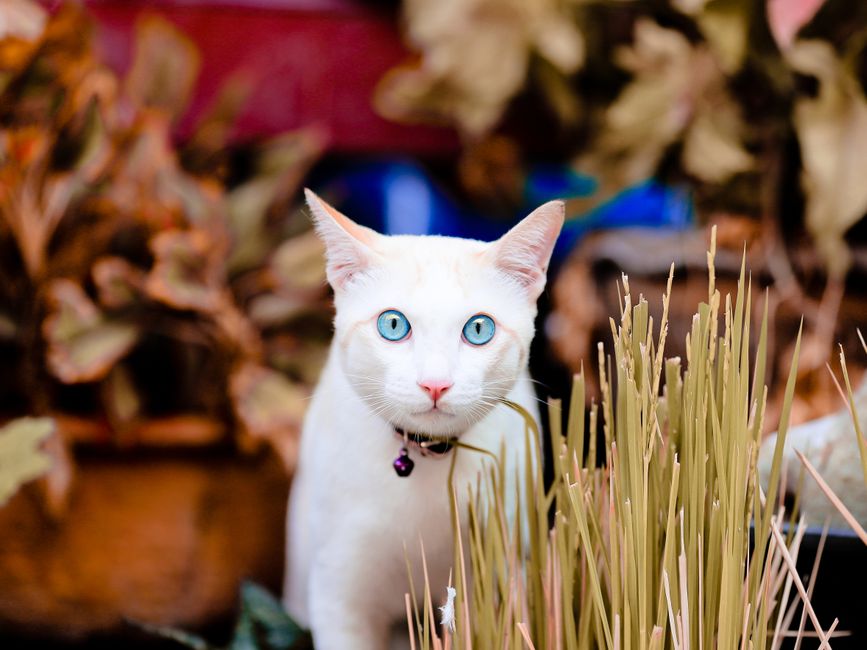
Not all cat staring behavior indicates positive emotions. Sometimes, prolonged staring can signal anxiety, stress, or discomfort. If your cat’s staring is accompanied by dilated pupils, flattened ears, or tense body posture, they might be experiencing stress or feeling threatened by something in their environment.
6. Monitoring for Potential Threats
Cats retain strong predatory instincts, and staring can be a way of monitoring their surroundings for potential threats or opportunities. Even well-fed indoor cats maintain these vigilant behaviors, and they might stare at you to assess whether you pose any threat or if you’re displaying unusual behavior that requires attention.
7. Medical Issues or Cognitive Changes
In some cases, excessive or unusual staring might indicate underlying health issues. Senior cats, in particular, might develop cognitive dysfunction that affects their behavior patterns. If your cat’s staring habits suddenly change or seem accompanied by other behavioral changes, it’s worth consulting with your veterinarian.
How to Interpret Your Cat’s Staring
Understanding the meaning behind your cat’s stare requires observing additional body language cues. Here are key indicators to help you decode your cat’s message:
- Relaxed staring with slow blinking: Affection and contentment
- Intense staring near meal times: Hunger or food requests
- Staring with meowing or vocalizations: Seeking attention or interaction
- Wide-eyed staring with tense posture: Anxiety or alertness
- Staring followed by approaching: Desire for physical contact or play

Practical Tips for Responding to Cat Staring
Now that you understand why cats stare, here are actionable strategies for responding appropriately:
Encourage Positive Staring
When your cat engages in affectionate staring, respond with slow blinks of your own. This reciprocal communication strengthens your bond and reinforces positive interaction patterns. Speak softly to your cat during these moments to further enhance the connection.
Set Boundaries for Attention-Seeking
If your cat’s staring becomes demanding or disruptive, avoid immediately giving in to their requests. Instead, redirect their attention to appropriate activities like interactive toys or scheduled play sessions. This helps prevent manipulative behaviors while still meeting their needs.
Address Underlying Issues
For cats showing signs of stress or anxiety through their staring behavior, identify and address potential triggers in their environment. This might include providing additional hiding spots, maintaining consistent routines, or consulting with a veterinary behaviorist for severe cases.
When to Seek Professional Help
While most cat staring behavior is normal, certain situations warrant professional attention. Consult your veterinarian if you notice sudden changes in staring patterns, excessive staring accompanied by other behavioral changes, or signs of discomfort or distress.
Conclusion
Understanding why cats stare opens a window into your feline companion’s complex inner world. From expressions of love to practical requests for food or attention, each stare carries its own unique meaning. By learning to interpret your cat’s visual communication, you’ll strengthen your bond and become better equipped to meet their emotional and physical needs. Remember that cat staring behavior is just one piece of the feline communication puzzle – always consider the full context of your cat’s body language and environmental factors. With patience and observation, you’ll soon become fluent in your cat’s unique visual language, leading to a deeper, more rewarding relationship with your feline friend.