Why Does My Cat Stare at Me? 7 Surprising Reasons Behind Those Intense Gazes
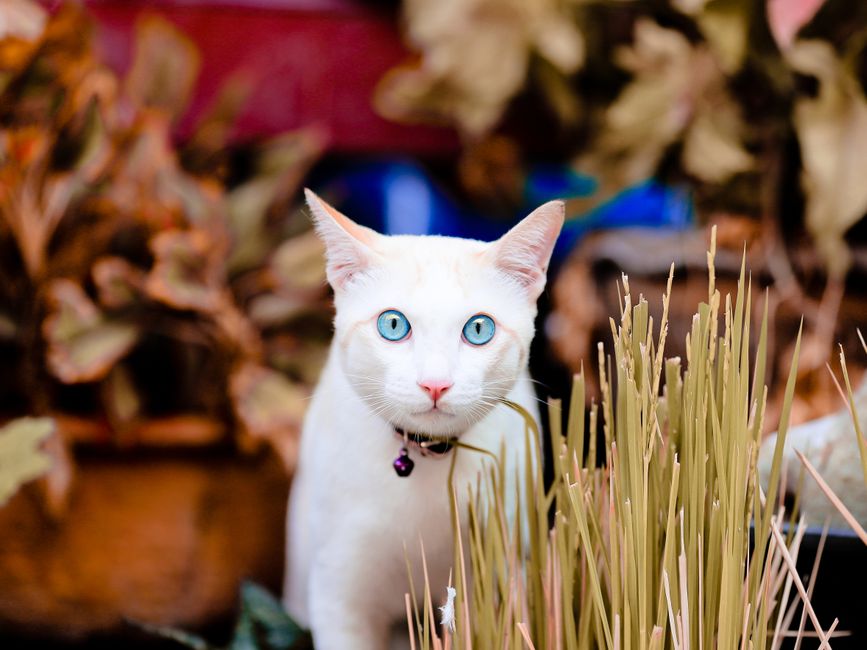
Have you ever looked up from your book or laptop to find your feline friend gazing intently at you with those mesmerizing eyes? If you’re wondering “why does my cat stare at me,” you’re not alone. This fascinating cat behavior staring has puzzled pet owners for generations. Those prolonged, unblinking stares can feel mysterious, endearing, or even slightly unnerving. The truth is, your cat’s intense gaze is actually a complex form of communication that reveals a lot about their emotional state, needs, and relationship with you. Understanding why cats stare can help you become a better pet parent and strengthen the bond with your furry companion.
1. Your Cat is Showing Affection and Love
One of the most heartwarming reasons for cat staring at owner is pure affection. When cats stare at their favorite humans with soft, relaxed eyes, they’re essentially giving you the feline equivalent of a hug. This loving gaze is often accompanied by slow blinking, which cat behaviorists call “cat kisses.”
If your cat maintains gentle eye contact while purring or kneading, they’re expressing deep contentment and trust. Cats don’t maintain eye contact with creatures they don’t feel safe around, so this behavior is actually a huge compliment. You can reciprocate this affection by slowly blinking back at your cat – they often interpret this as a loving gesture in return.

2. They’re Trying to Tell You Something Important
Cats are intelligent communicators, and staring is one of their primary ways to get your attention. This type of cat behavior staring is usually more intense and persistent. Your cat might be trying to communicate:
Basic Needs and Requests
- Hunger or thirst (especially near meal times)
- Need for a clean litter box
- Desire to go outside or come inside
- Request for playtime or attention
- Need for comfort when feeling unwell
Pay attention to the context of the staring. Is it happening near their food bowl? Are they positioned by the door? These environmental cues can help you decode their message more effectively.
3. Your Cat is Studying Your Behavior
Cats are keen observers who learn by watching. When cats stare at their owners, they’re often studying human behavior patterns and routines. Your cat has likely memorized your daily schedule and can predict when you’re about to feed them, leave for work, or settle down for the evening.
This observational behavior demonstrates their intelligence and adaptability. Cats who stare while you’re preparing food or getting ready for bed are simply confirming their understanding of your routines and preparing for what comes next.
4. They’re Experiencing Stress or Anxiety
Sometimes, intense staring can indicate that your cat is feeling stressed, anxious, or uncertain about something in their environment. This type of stare is typically more rigid and may be accompanied by other body language signals such as:
- Dilated pupils
- Tense body posture
- Flattened ears
- Twitching tail
If you notice these signs, try to identify potential stressors in your cat’s environment and create a calm, safe space for them to relax.
5. Predatory Instincts Are Kicking In
Even well-fed domestic cats retain strong hunting instincts. Sometimes, cat staring at owner behavior stems from these deep-seated predatory drives. Your movements might trigger their hunting instincts, especially if you’re doing something that resembles prey behavior like:
- Moving your hands under blankets
- Making quick, erratic movements
- Playing with string or small objects
This type of staring is usually intense and focused, often followed by pouncing or play behavior. It’s completely natural and shows that your cat’s instincts are healthy and intact.
6. They’re Waiting for Your Next Move
Cats are creatures of habit who thrive on routine and predictability. Your feline friend may stare at you in anticipation of your next action, especially if you’ve established certain patterns together. They might be waiting for you to:
- Get up and feed them
- Move to a spot where they can join you
- Initiate playtime
- Open a door or window
This anticipatory staring shows how well your cat knows you and demonstrates the strong bond you’ve built together.
7. Medical Issues May Be at Play
While less common, persistent or unusual staring behaviors can sometimes indicate underlying health issues. Cat behavior staring that seems out of character or is accompanied by other concerning symptoms might warrant a veterinary consultation.
When to Consult Your Veterinarian
Contact your vet if the staring is accompanied by:
- Changes in appetite or eating habits
- Lethargy or decreased activity
- Unusual vocalizations
- Changes in litter box habits
- Signs of pain or discomfort

How to Respond to Your Cat’s Staring
Understanding why your cat stares is only half the equation – knowing how to respond appropriately is equally important:
Positive Responses
- Slow blink back to show affection and trust
- Speak softly to acknowledge their communication attempt
- Assess their needs – check food, water, and litter box
- Offer gentle interaction if they seem to want attention
What to Avoid
- Don’t stare back intensely – this can be perceived as threatening
- Avoid sudden movements that might startle them
- Don’t ignore persistent staring that might indicate a need
Building a Stronger Bond Through Understanding
Recognizing and responding appropriately to your cat’s staring behavior can significantly strengthen your relationship. When you acknowledge their attempts at communication and respond with appropriate action or affection, you’re building trust and deepening your connection.
Remember that every cat is unique, and their staring behavior may have individual nuances based on their personality, history, and relationship with you. Take time to observe your cat’s specific patterns and body language to become fluent in their personal communication style.
Conclusion: Embracing Your Cat’s Gaze
The next time you catch your cat staring at you, remember that this behavior is a window into their complex inner world. Whether they’re expressing love, communicating a need, studying your behavior, or simply anticipating your next move, that intense gaze is a testament to the special bond you share. By understanding the various reasons behind cat staring at owner behavior, you can respond more effectively to your feline friend’s needs and continue building a relationship based on mutual understanding and respect. Those mysterious stares aren’t so mysterious after all – they’re simply another beautiful aspect of the unique language cats use to connect with the humans they love.