Why Does My Cat Stare at Me? 7 Surprising Reasons Behind Those Eyes
Have you ever caught your feline friend giving you an intense, unblinking stare that makes you wonder what’s going through their mysterious mind? If you’ve found yourself asking “why does my cat stare at me,” you’re not alone. This fascinating cat behavior is one of the most common mysteries pet owners encounter, and the reasons behind those piercing gazes might surprise you. From expressions of love to hunting instincts, your cat’s stare can communicate a wide range of emotions and needs. Understanding these visual cues will help you strengthen your bond with your furry companion and respond appropriately to their silent messages.
1. Your Cat is Showing Affection and Love
Contrary to popular belief, when your cat stares at you with half-closed, relaxed eyes, they’re actually expressing deep affection. This gentle gaze, often accompanied by slow blinking, is sometimes called “cat kisses” by animal behaviorists. When cats feel safe and loved, they’ll maintain soft eye contact as a way of bonding with their favorite humans.
If you notice your cat giving you this loving stare, try slowly blinking back at them. This reciprocal behavior mimics their natural communication style and reinforces the emotional connection between you two.

2. They’re Trying to Communicate a Need
Cats are intelligent creatures who quickly learn that staring gets human attention. If your cat stares at you persistently, they might be trying to tell you something important. Common needs they communicate through staring include:
Hunger and Feeding Time
Many cats develop the habit of staring at their owners when it’s mealtime or when they want treats. This behavior is particularly common if you’ve inadvertently reinforced it by feeding them after they stare.
Need for Attention or Play
Cats who crave interaction will often stare as a way of requesting playtime, petting, or simply some quality time with their favorite human.
Litter Box Issues
Sometimes, a persistent stare combined with other behaviors might indicate that your cat’s litter box needs attention or they’re experiencing discomfort.
3. Natural Hunting and Predatory Instincts
Even domesticated cats retain strong hunting instincts from their wild ancestors. When your cat stares at you with dilated pupils and an intense, focused expression, they might be displaying predatory behavior. This doesn’t mean they see you as prey, but rather that they’re practicing their natural stalking skills.
This type of staring is particularly common in younger cats and often precedes pouncing or playful attacking behavior. You might notice this intense stare before your cat suddenly jumps on your feet or hands.
4. Curiosity About Your Activities
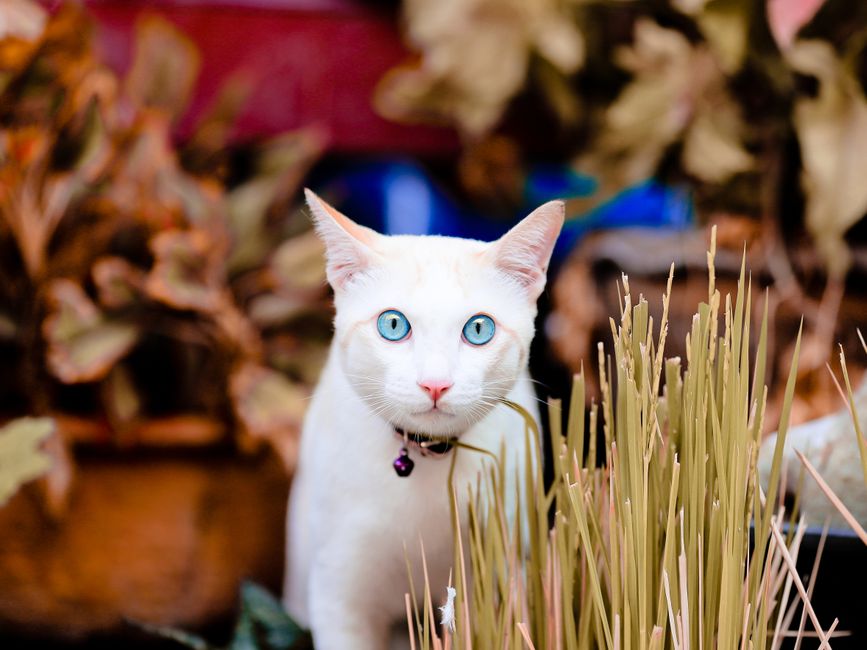
Cats are naturally curious creatures, and they often stare simply because they’re fascinated by what you’re doing. Whether you’re cooking, working on a computer, or engaging in any unusual activity, your cat might fix their gaze on you out of pure interest.
This type of cat behavior is completely normal and shows that your feline friend sees you as an interesting part of their environment worth observing.
5. Territorial Monitoring and Security
Cats are territorial animals who like to keep track of their domain, including the humans in it. Your cat might stare at you as part of their natural monitoring behavior, ensuring everything in their territory is as it should be.
This protective staring is often more pronounced in cats who consider themselves the “guardian” of the household and is typically accompanied by alert, upright posture.
6. Medical Issues or Discomfort
While less common, persistent staring combined with other unusual behaviors might indicate health problems. Cats experiencing pain, vision issues, or cognitive changes due to age might stare more frequently or in different ways than usual.
Watch for accompanying signs like:
- Changes in appetite or eating habits
- Unusual vocalization
- Lethargy or decreased activity
- Changes in litter box usage
- Disorientation or confusion
If you notice these additional symptoms along with increased staring, consult your veterinarian for a professional evaluation.

7. Learned Behavior and Training
Smart cats quickly learn which behaviors get them what they want. If staring at you has historically resulted in treats, attention, or other rewards, your cat has essentially trained you to respond to their gaze. This learned cat behavior becomes reinforced over time, making the staring more frequent and persistent.
How to Respond to Your Cat’s Stares
Understanding why your cat stares at you is only half the equation. Here are practical tips for responding appropriately:
Assess the Context
Consider the time of day, your cat’s body language, and recent activities to determine what type of stare you’re receiving.
Respond to Affectionate Stares
When your cat gives you loving, slow-blink stares, reciprocate with gentle eye contact and slow blinks of your own.
Address Practical Needs
If the stare seems to be communicating a need, check their food bowl, water dish, litter box, and consider whether they might want attention or play.
Set Boundaries
If your cat’s staring has become demanding or excessive, avoid reinforcing the behavior by immediately giving them what they want. Instead, wait for more appropriate behavior before responding.
When to Be Concerned
While most cat staring is perfectly normal, watch for signs that might indicate problems:
- Sudden changes in staring patterns
- Aggressive or threatening body language accompanying stares
- Signs of illness or discomfort
- Obsessive or compulsive staring behaviors
Conclusion
The next time you find yourself wondering “why does my cat stare at me,” remember that this common cat behavior usually stems from positive emotions and natural instincts. Whether your feline friend is expressing love, communicating needs, or simply satisfying their curiosity, those mesmerizing stares are typically just another way your cat connects with you. By paying attention to the context and accompanying body language, you can better understand what your cat is trying to tell you and respond in ways that strengthen your relationship. Remember that every cat is unique, so take time to learn your particular pet’s communication style and enjoy these special moments of connection with your furry companion.