Why Does My Cat Stare at Me? 7 Surprising Reasons Behind the Gaze
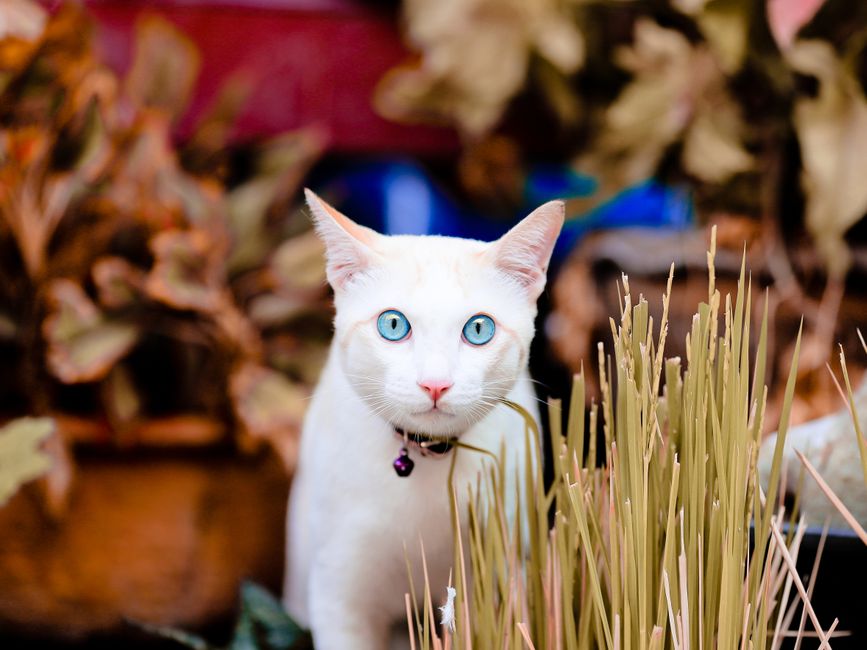
Have you ever caught your feline friend giving you that intense, unblinking stare that seems to pierce right through your soul? If you’re wondering “why does my cat stare at me,” you’re not alone. This common cat behavior puzzles pet owners worldwide, but understanding the reasons behind your cat’s gaze can actually strengthen your bond and help you better communicate with your furry companion. From expressions of love to requests for food, your cat’s staring behavior is actually a sophisticated form of feline communication that’s worth decoding.
Understanding Cat Staring Behavior: More Than Meets the Eye
Cat staring behavior is a complex form of non-verbal communication that serves multiple purposes in the feline world. Unlike humans, who might consider prolonged eye contact rude or confrontational, cats use their gaze as a primary way to interact with their environment and the people they love. Learning to interpret why cats stare can help you respond appropriately to your pet’s needs and emotions.

7 Common Reasons Why Cats Stare at Their Owners
1. Your Cat is Showing Affection
One of the most heartwarming reasons behind cat staring behavior is pure love and affection. When your cat looks at you with half-closed eyes and blinks slowly, they’re actually giving you what experts call “cat kisses.” This soft gaze indicates contentment and trust – your cat feels safe and comfortable in your presence. You can reciprocate this affection by slowly blinking back at your cat, which often results in an even more relaxed expression.
2. They Want Food or Treats
Let’s be honest – cats are masters of manipulation when it comes to mealtime. If your cat stares at you around feeding time or while you’re in the kitchen, they’re likely hoping to score some food. This type of stare is often accompanied by meowing, purring, or following you around. Pay attention to the timing of this behavior to distinguish between genuine hunger and opportunistic begging.
3. Your Cat is Seeking Attention
Cats are more social than many people realize, and staring can be their way of requesting interaction. Whether they want to play, be petted, or simply have you acknowledge their presence, a direct stare is an effective way to get your attention. This behavior is particularly common in cats who have learned that staring usually results in positive human interaction.
4. They’re Trying to Communicate a Need
Smart cats quickly learn that staring gets results. Your feline might be trying to tell you that their litter box needs cleaning, their water bowl is empty, or they want access to a particular room. This practical cat staring behavior demonstrates just how intelligent and communicative our feline friends can be.
5. Curiosity and Observation
Cats are naturally curious creatures, and sometimes they stare simply because they’re fascinated by what you’re doing. Whether you’re typing on a computer, cooking dinner, or watching TV, your cat might be genuinely interested in your activities. This observational staring is often accompanied by alert ears and an attentive posture.
6. Territorial Assessment
In multi-pet households, cats might stare to assess the social hierarchy or monitor potential threats to their territory. This type of stare tends to be more intense and might be accompanied by stiff body language. Understanding this aspect of cat body language can help you manage household dynamics more effectively.
7. Medical Issues or Discomfort
While less common, persistent staring accompanied by other behavioral changes could indicate health issues. If your cat’s staring behavior suddenly increases and is paired with symptoms like lethargy, appetite changes, or unusual vocalizations, it’s worth consulting with your veterinarian to rule out any underlying medical concerns.

Decoding Cat Body Language: What to Look For
Understanding why cats stare requires paying attention to accompanying body language signals. A relaxed cat showing affection will have soft eyes, relaxed ears, and might purr or knead. An anxious or aggressive cat might have dilated pupils, flattened ears, or a tense body posture. Learning to read these subtle cues will help you interpret your cat’s intentions more accurately.
Positive Staring Signals
- Slow blinking or half-closed eyes
- Relaxed body posture
- Gentle purring
- Forward-facing ears
- Soft facial expression
Concerning Staring Signals
- Dilated pupils
- Stiff, tense body
- Flattened ears
- Excessive vocalization
- Aggressive posturing
How to Respond to Your Cat’s Stares
Now that you understand the various reasons behind cat staring behavior, here are some practical tips for responding appropriately:
For Affectionate Stares: Slow blink back at your cat and speak in gentle tones. This reinforces the positive interaction and strengthens your bond.
For Food-Related Stares: Stick to regular feeding schedules and avoid rewarding demanding behavior with treats. Instead, redirect the staring with play or affection.
For Attention-Seeking Stares: Engage with interactive toys or gentle petting, but be careful not to reinforce demanding behavior if it becomes excessive.
For Communication Stares: Try to identify what your cat needs by checking their basic requirements – food, water, clean litter box, or access to favorite spots.
When to Be Concerned About Cat Staring
While most cat staring behavior is completely normal, there are times when you should pay closer attention. Contact your veterinarian if you notice sudden changes in staring patterns, especially if accompanied by other behavioral changes, appetite loss, or signs of illness. Additionally, if staring becomes obsessive or is directed at walls or empty spaces, it might indicate vision problems or neurological issues that require professional evaluation.
Conclusion: Embracing Your Cat’s Unique Communication Style
Understanding why cats stare at their owners opens up a fascinating window into feline behavior and communication. Whether your cat is expressing love, requesting food, seeking attention, or simply observing their favorite human, that intense gaze is actually a compliment – it means you’re important enough to warrant their focused attention. By learning to interpret cat body language and responding appropriately to different types of stares, you’ll develop a deeper, more meaningful relationship with your feline companion. Remember that every cat is unique, so take time to observe your pet’s individual patterns and preferences. The next time you catch your cat staring at you, take a moment to appreciate this special form of interspecies communication and consider what your furry friend might be trying to tell you.