Why Does My Cat Stare at Me? 7 Scientific Reasons Behind the Behavior
Have you ever caught your feline friend gazing at you with those mesmerizing eyes, leaving you wondering what’s going through their mysterious mind? If you’ve found yourself asking “why does my cat stare at me,” you’re not alone. Cat staring behavior is one of the most common and intriguing aspects of feline communication that pet owners encounter daily. Understanding this behavior isn’t just fascinating—it’s essential for building a stronger bond with your furry companion and ensuring their wellbeing.
The Science Behind Cat Staring Behavior
Cats are naturally observant creatures, and their staring habits stem from millions of years of evolutionary development. Unlike humans, who might find prolonged eye contact uncomfortable or confrontational, cats use visual communication as a primary means of expressing their emotions, needs, and intentions. When your cat stares at you, they’re essentially “talking” to you in their own language.

Research in feline behavior has revealed that cat body language is far more complex than many pet owners realize. A cat’s stare can convey everything from deep affection to urgent demands, and learning to interpret these visual cues will help you become a more responsive and understanding pet parent.
7 Scientific Reasons Why Your Cat Stares at You
1. Expressing Love and Affection
One of the most heartwarming reasons behind cat staring behavior is pure affection. When cats stare at their favorite humans with half-closed eyes or follow up with slow blinking, they’re actually showing love. This behavior, often called “cat kisses,” releases oxytocin—the same bonding hormone humans experience during positive social interactions.
2. Seeking Attention and Interaction
Cats are intelligent creatures who quickly learn that staring gets results. If you’ve ever responded to your cat’s stare by talking to them, petting them, or giving treats, you’ve reinforced this behavior. Your cat may stare simply because they want quality time with their favorite person.
3. Communicating Basic Needs
When wondering “why does my cat stare at me,” consider the context. Is it mealtime? Is their water bowl empty? Cats often use sustained eye contact to communicate their basic needs. This direct approach is their way of saying, “Hey human, I need something, and I need it now!”
4. Hunting and Predatory Instincts
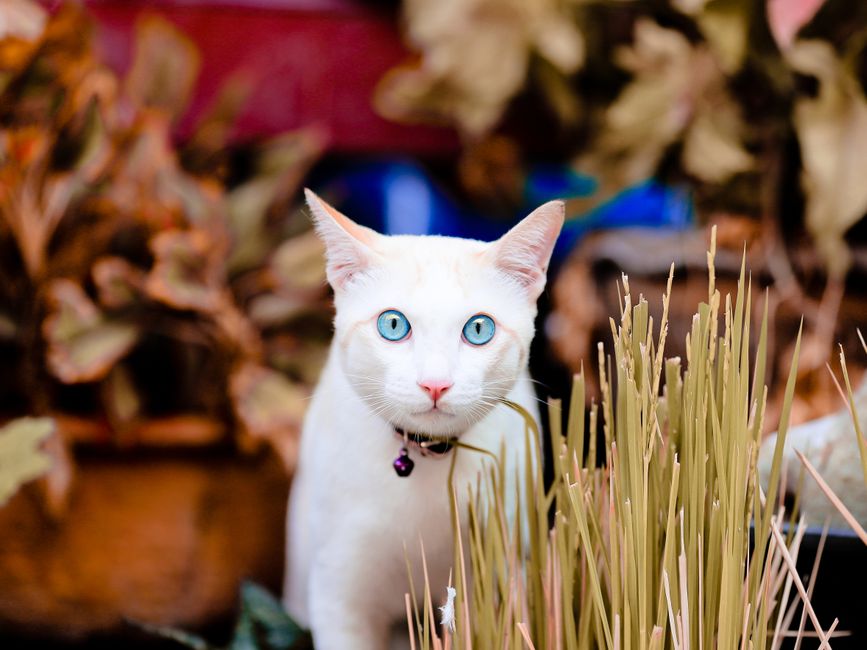
Sometimes, cat staring behavior stems from their natural predatory instincts. Your cat might be practicing their hunting skills, tracking movement, or simply staying alert to their environment. This is especially common in younger cats or those with strong prey drives.
5. Curiosity and Environmental Assessment
Cats are naturally curious animals who constantly assess their surroundings. If you’re doing something new or unusual, your cat may stare to gather information and determine whether the situation requires their attention or poses any potential threat.
6. Establishing Territory and Dominance
In multi-pet households, cats may use staring as a way to establish their position in the family hierarchy. This type of cat body language helps them communicate their territorial boundaries and social standing without physical confrontation.
7. Medical Issues or Discomfort
While less common, persistent staring combined with other behavioral changes could indicate underlying health issues. Cats experiencing pain, cognitive dysfunction, or neurological problems may exhibit altered staring patterns that differ from their normal behavior.
How to Respond to Your Cat’s Staring
Understanding why does my cat stare at me is only half the equation—knowing how to respond appropriately is equally important for maintaining a healthy relationship with your feline friend.
Positive Reinforcement Techniques
When your cat stares affectionately, try slow blinking back at them. This mimics their natural “cat kiss” behavior and reinforces the emotional bond between you. You can also respond with gentle verbal acknowledgment or light petting if your cat enjoys physical affection.
Meeting Their Needs
If the staring seems need-based, take a moment to assess what your cat might require. Check their food and water bowls, consider whether they need outdoor time or play sessions, and ensure their litter box is clean. Responding appropriately to these communications strengthens your cat’s trust in you.

When to Be Concerned
Pay attention to changes in your cat’s normal staring patterns. If the behavior becomes excessive, is accompanied by other symptoms like changes in appetite or litter box habits, or seems directed at nothing in particular, consult your veterinarian to rule out medical issues.
Building Better Communication with Your Cat
Improving your understanding of cat body language goes beyond just interpreting stares. Watch for additional cues like ear position, tail movement, and vocal communications. Cats who feel understood by their owners tend to be more relaxed, social, and well-behaved.
Create consistent routines around feeding, play, and interaction times. This helps reduce anxiety-driven staring and ensures your cat’s needs are met predictably. Regular interactive play sessions can also redirect excessive attention-seeking behaviors into healthy outlets.
Conclusion
The next time you find yourself wondering “why does my cat stare at me,” remember that this fascinating cat staring behavior is your feline’s way of communicating with you. Whether they’re expressing love, requesting attention, or simply satisfying their curiosity, your cat’s stares are an important part of your relationship together.
By learning to interpret your cat’s body language and responding appropriately to their visual communications, you’re building a stronger, more trusting bond with your feline companion. Remember that every cat is unique, so take time to observe your pet’s individual patterns and preferences. When in doubt about any behavioral changes, don’t hesitate to consult with your veterinarian or a feline behavior specialist.
Understanding your cat’s staring behavior is just one step toward becoming the best pet parent possible—and your cat will definitely appreciate the effort you put into learning their unique language of love.