Why Does My Cat Stare at Me? 7 Reasons Behind Your Feline’s Gaze
Have you ever caught your cat staring at you with those mesmerizing eyes and wondered what’s going through their furry little head? You’re not alone! Many cat owners find themselves puzzled by their feline’s intense gaze. Understanding why your cat stares at you can help strengthen your bond and provide insights into your pet’s emotional and physical needs. From expressions of love to requests for attention, your cat’s staring behavior has fascinating meanings that every pet owner should understand.

1. Your Cat Is Showing Affection
One of the most heartwarming reasons behind your cat’s stare is pure affection. When cats maintain gentle eye contact with their owners, it’s often their way of saying “I love you.” This type of cat eye contact meaning is particularly evident when accompanied by slow blinking, which cat behaviorists call “cat kisses.”
If your cat stares at you with half-closed eyes and blinks slowly, they’re expressing trust and contentment. This behavior mimics how cats interact with their mothers and other cats they feel safe with. You can reciprocate this affection by slowly blinking back at your cat, which often results in an even more relaxed and loving response.
2. They Want Something From You
Cats are intelligent creatures who quickly learn that staring gets results. If you’ve ever wondered “why does my cat stare at me” right before mealtime, you’ve discovered one of their most effective communication strategies. This purposeful staring often occurs when cats want:
- Food or treats
- Fresh water
- Access to a room or outdoor area
- Attention and petting
- Their litter box cleaned
Pay attention to the context of your cat’s stare. If it happens around regular feeding times or near their food bowl, they’re likely asking for a meal. This learned behavior shows how effectively cats communicate their needs to their human companions.
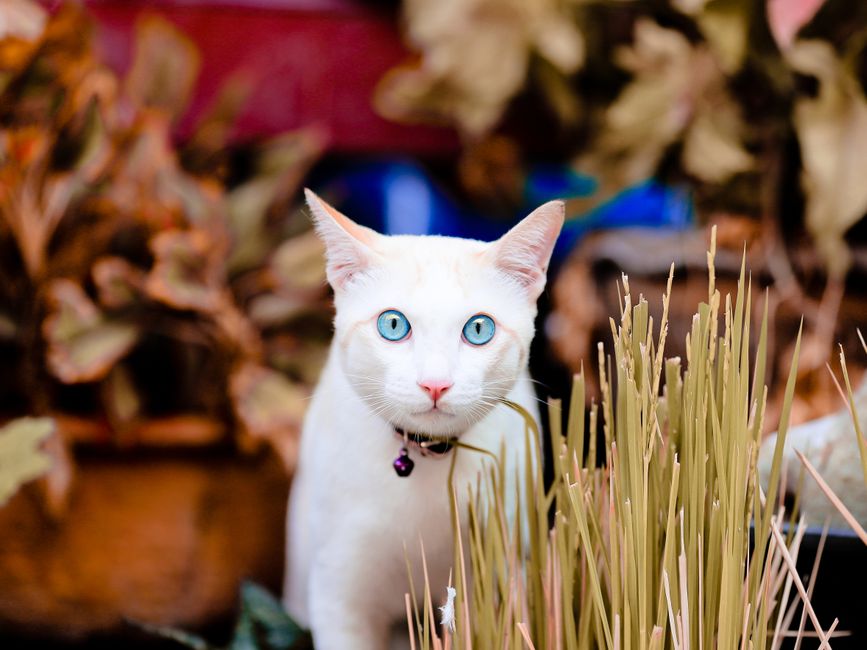
3. Curiosity and Observation
Cats are naturally curious creatures, and their staring behavior often stems from their desire to understand their environment and the people in it. Your cat might stare at you simply because they find your activities fascinating. Whether you’re cooking, reading, or working on your computer, your cat is observing and learning about your routines.
This type of cat staring behavior is particularly common in:
- New environments or homes
- When you’re doing something unusual
- During your daily routines they want to understand
- When they’re trying to predict your next move
4. Territorial Awareness
Sometimes, the reason why your cat stares at you relates to their territorial instincts. Cats are naturally territorial animals, and staring can be their way of monitoring their domain. This doesn’t mean they see you as a threat – quite the opposite. As part of their family unit, you’re someone they need to keep track of for security reasons.
This protective staring is often more intense and focused, and you might notice it more when:
- Strangers visit your home
- You’re in a room they consider particularly important
- They sense changes in the household routine
5. Health-Related Staring
While most cat staring behavior is perfectly normal, sometimes it can indicate health concerns. Cats experiencing discomfort, illness, or cognitive changes might stare more frequently or intensely than usual. This type of staring often appears different from their normal gaze and might be accompanied by other symptoms.
Watch for these potential warning signs along with unusual staring:
- Changes in eating or drinking habits
- Lethargy or decreased activity
- Vocalization changes
- Bathroom habit alterations
- Seeming confused or disoriented
If you notice these changes alongside altered staring patterns, consult your veterinarian for a thorough examination.
6. Seeking Comfort and Security
Your cat’s stare might also be their way of seeking emotional comfort. Cats often look to their trusted humans for reassurance, especially during stressful situations or changes in their environment. This cat eye contact meaning demonstrates the deep bond between you and your pet.
Comfort-seeking stares typically occur when cats are:
- Feeling anxious or stressed
- Recovering from illness or surgery
- Adjusting to household changes
- Seeking emotional support

7. Establishing Social Hierarchy
In multi-pet households, cats use staring as part of their social communication system. When your cat stares at you, they might be acknowledging your role as the provider and leader of their social group. This respectful staring differs from aggressive staring and typically appears relaxed and non-threatening.
How to Respond to Your Cat’s Staring
Understanding why cats stare is only half the equation – knowing how to respond appropriately strengthens your relationship. Here are practical tips for different staring situations:
For Affectionate Staring:
- Slow blink back to show you care
- Speak softly to your cat
- Offer gentle pets if they approach
For Attention-Seeking Staring:
- Assess what they might need
- Respond appropriately to reasonable requests
- Avoid reinforcing demanding behavior with immediate attention
For Curious Staring:
- Talk to your cat about what you’re doing
- Allow them to safely observe your activities
- Include them in appropriate ways
When to Be Concerned
While most cat staring behavior is normal, excessive or sudden changes in staring patterns warrant attention. Contact your veterinarian if your cat’s staring is accompanied by behavioral changes, appears vacant or unfocused, or if your typically social cat becomes withdrawn despite maintaining intense staring.
Conclusion
Understanding why your cat stares at you opens a window into their complex emotional world. From expressions of love and requests for attention to natural curiosity and territorial awareness, cat staring behavior serves many important functions in feline communication. By recognizing these different types of stares and responding appropriately, you’ll strengthen your bond with your feline friend and become more attuned to their needs. Remember that every cat is unique, so observe your pet’s individual patterns and trust your instincts about their well-being. The next time you catch your cat’s intense gaze, you’ll know exactly what they might be trying to tell you.