Why Does My Cat Sleep on My Laptop? The Science Behind This Annoying Habit
Picture this: you’re in the middle of an important work presentation or trying to meet a deadline when suddenly, your feline friend decides your laptop is the perfect spot for their afternoon nap. If you’re a cat owner, this scenario probably sounds all too familiar. The phenomenon of cats sleeping on laptops has become such a universal experience that it’s spawned countless memes and social media posts. But what’s really behind this seemingly deliberate act of sabotage? Understanding why your cat chooses your laptop as their preferred sleeping spot can help you appreciate this behavior from a scientific perspective—and find practical solutions to reclaim your workspace.
The Warmth Factor: Your Laptop as a Personal Heater
The primary reason behind your cat sleeping on laptop behavior is surprisingly simple: warmth. Cats have a higher body temperature than humans, typically ranging between 100.5°F to 102.5°F, and they’re naturally drawn to warm surfaces to maintain their body heat efficiently.
Your laptop generates significant heat during operation, especially around the keyboard and screen areas where the processor and other components work hardest. This makes it an irresistible heat source for your cat, particularly during cooler months or in air-conditioned spaces. From your cat’s perspective, your laptop isn’t a work tool—it’s a perfectly sized heating pad that happens to be conveniently located.

Why Cats Seek Out Warm Spots
This heat-seeking behavior stems from cats’ evolutionary background. Wild cats conserve energy by finding warm spots to rest, reducing the metabolic energy needed to maintain their body temperature. Your domestic cat has retained this instinct, which explains why they also gravitate toward sunny windowsills, fresh laundry, and yes, your warm laptop.
Attention-Seeking Behavior and Territory Marking
Beyond the obvious warmth appeal, cat behavior laptop incidents often involve attention-seeking tactics. Cats are incredibly intelligent and quickly learn which actions get the biggest reactions from their humans. When your cat plops down on your laptop, they know they’ll get immediate attention—even if it’s not the positive kind they’re seeking.
This behavior also involves scent marking and territory establishment. Cats have scent glands in their faces, paws, and bodies. By lying on your laptop, they’re marking it with their scent, essentially claiming ownership of this important object in your life. In your cat’s mind, if something is important to you, it should be important to them too.
The Competition for Your Focus
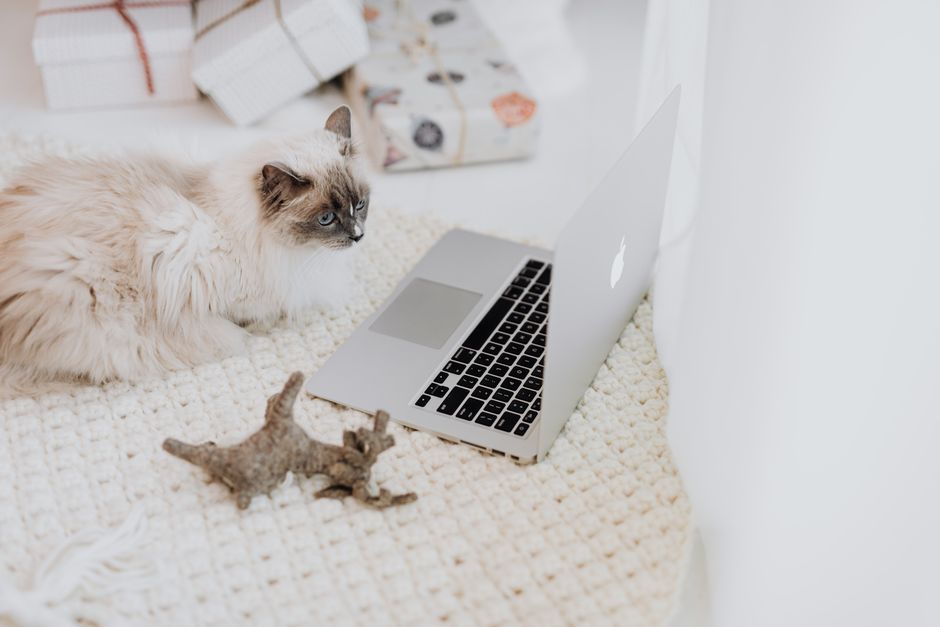
Cats are naturally social creatures who crave interaction with their human companions. When you’re focused intently on your laptop screen, your cat may perceive this as competition for your attention. By positioning themselves between you and the screen, they’re effectively inserting themselves back into the center of your focus—a clever strategy that usually works.
Practical Solutions to Redirect This Behavior
While understanding the science behind this behavior is helpful, you still need practical solutions to reclaim your laptop and maintain your productivity. Here are several effective strategies to redirect your cat sleeping on laptop habits:
Create Alternative Warm Spots
Provide your cat with equally appealing warm alternatives near your workspace. Consider investing in a heated pet bed, placing a soft blanket in a sunny spot, or even using a heating pad designed for pets. Position these alternatives close enough to your work area so your cat can still feel connected to your activities.
Use Laptop Accessories
A laptop stand can elevate your computer to a less accessible position while improving your ergonomics. Additionally, keeping your laptop closed when not in use prevents your cat from accessing the warm keyboard area. Laptop covers or keyboards protectors can also deter cats from settling on the keys.
Establish Dedicated Work Times
Create a routine where you provide focused attention to your cat before settling down to work. A good play session or grooming time can satisfy their social needs, making them more likely to settle down for a nap elsewhere while you work.
When Laptop Sleeping Becomes Problematic
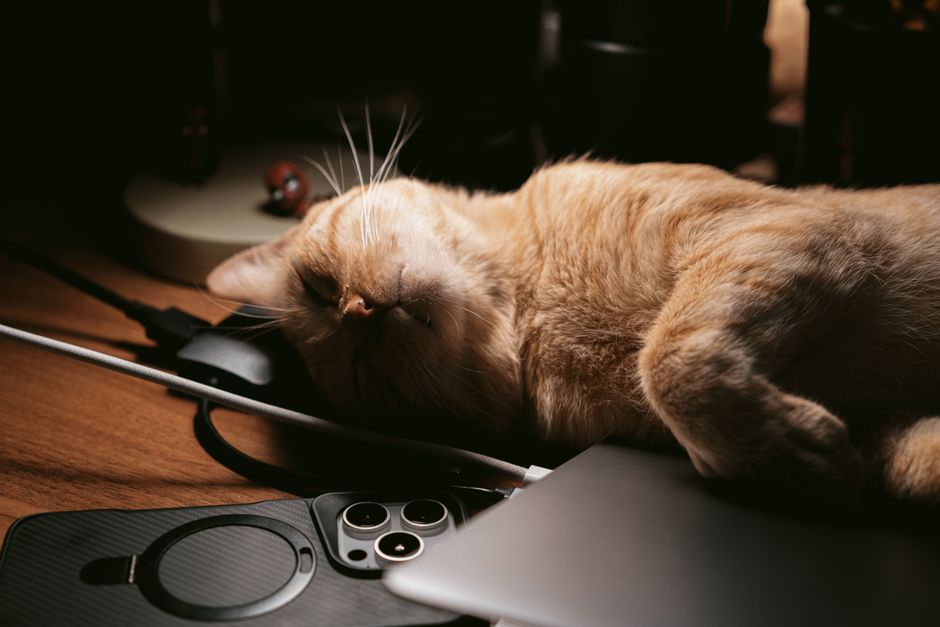
While cat behavior laptop interactions are usually harmless and even endearing, there are some concerns to keep in mind. Excessive heat from laptops can potentially cause discomfort to your cat over extended periods. Additionally, cat hair and dander can clog laptop vents, leading to overheating issues for your device.
If your cat seems to seek out warm spots obsessively, it could indicate they’re feeling cold due to health issues, age, or environmental factors. Senior cats and those with certain medical conditions may have difficulty regulating their body temperature and require additional warmth sources.
Protecting Your Technology
Regular cleaning of your laptop’s keyboard and vents is essential when living with cats. Use compressed air to remove hair and dander from vents, and consider using keyboard covers that can be easily washed. Some pet owners find that keeping a lint roller nearby helps manage the constant battle against cat hair on their devices.
Embracing the Behavior (Sometimes)
While it’s important to maintain boundaries for productivity, there’s something to be said for occasionally embracing these moments of connection with your cat. These interactions remind us to take breaks, appreciate our pets’ affection, and maintain work-life balance. Some of the best cat photos and memories come from these spontaneous laptop invasions.
Consider designating certain times as “cat-friendly” work periods where you don’t mind the occasional furry interruption, balanced with focused work time when your cat has been redirected to their own comfortable spot.
Conclusion
Understanding why your cat sleeps on your laptop reveals fascinating insights into feline behavior and psychology. This common habit stems from natural instincts for warmth-seeking, attention-getting, and territory-marking behaviors that have served cats well throughout their evolution. While it can be frustrating when you’re trying to work, recognizing these underlying motivations helps you address the behavior more effectively.
By providing alternative warm spots, using practical deterrents, and establishing routines that meet your cat’s social needs, you can successfully redirect this behavior while maintaining the special bond you share with your feline companion. Remember, your cat’s desire to be close to you and your important activities is ultimately a sign of affection—even if it doesn’t always feel that way when you’re facing a deadline. With patience and the right strategies, you can find a balance that works for both you and your laptop-loving cat.