Why Does My Cat Purr and Then Suddenly Bite Me?
Picture this: you’re enjoying a peaceful evening with your feline friend curled up on your lap, purring contentedly as you gently stroke their fur. Suddenly, without warning, those same teeth that were just chattering with happiness sink into your hand! If you’ve experienced this confusing behavior, you’re not alone. Many cat owners wonder why their cat purr then bite in what seems like a complete personality flip. Understanding this common feline behavior is key to building a stronger bond with your furry companion and avoiding those unexpected nips.
Understanding the Purr-to-Bite Phenomenon
When your cat transitions from purring to biting, it’s not because they’re being malicious or trying to hurt you. This behavior pattern is actually quite normal in the feline world and stems from several different causes. Cats communicate primarily through body language and physical interactions, so what might seem like mixed signals to us makes perfect sense in cat language.
The most common reason behind this behavior is overstimulation. While your cat initially enjoys the attention and petting – hence the purring – they can quickly become overwhelmed by the sensory input. Think of it like enjoying a back massage that gradually becomes too intense; eventually, you’d want it to stop.
The Science Behind Cat Love Bites
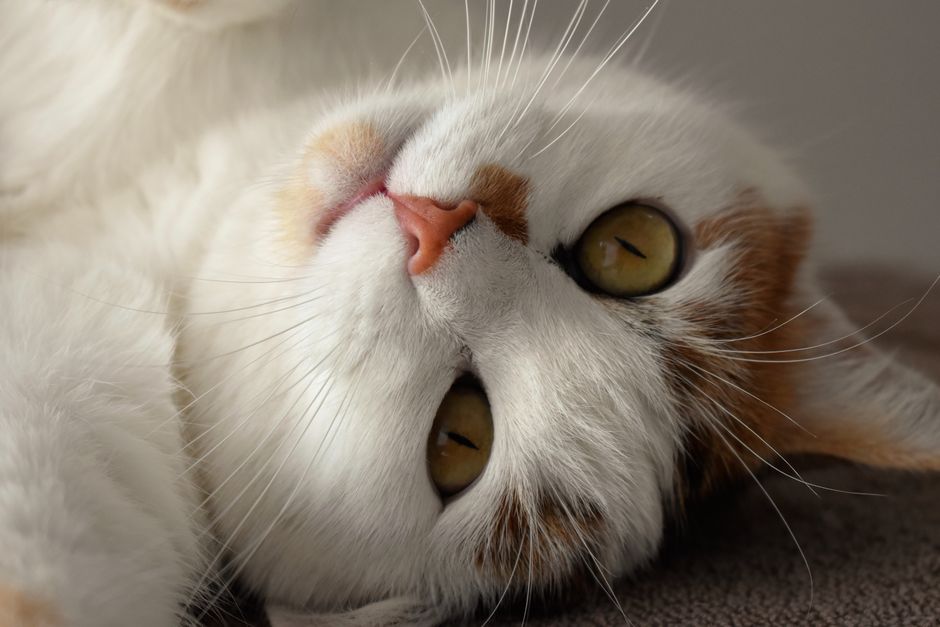
Cat love bites are gentle nibbles or nips that cats give when they’re feeling affectionate but need to communicate boundaries. These bites are typically much softer than aggressive bites and often occur during petting sessions. When cats experience overstimulation cats can exhibit this behavior as a way to say “enough for now” without being truly aggressive.
Felines have highly sensitive nerve endings, particularly around their belly, base of their tail, and paws. What starts as pleasurable petting can quickly become overwhelming when these sensitive areas are touched repeatedly. The purring indicates they’re initially enjoying the interaction, but as the stimulation builds up, their nervous system essentially hits an overload point.
Recognizing the Warning Signs
Before your cat resorts to biting, they usually provide several warning signals that they’re approaching their tolerance limit:
- Tail starting to twitch or lash
- Ears flattening against their head
- Skin rippling along their back
- Sudden tensing of their body
- Dilated pupils
- The purring may become more intense or stop abruptly
Learning to recognize these signs can help you stop petting before your cat feels the need to bite to communicate their discomfort.
Other Reasons for Purr-to-Bite Behavior
Redirected Aggression
Sometimes, your cat might be purring and enjoying your attention when they suddenly notice something outside that triggers their hunting instincts – perhaps a bird or another cat. Unable to reach the target of their interest, they might redirect that energy toward you, resulting in an unexpected bite.
Play Behavior
Young cats and kittens especially might interpret your petting session as playtime. In their excitement, they might start to play-bite the same way they would with littermates. This is particularly common in cats who were separated from their mothers and siblings too early and didn’t learn proper bite inhibition.
Medical Issues
Occasionally, a cat who suddenly becomes more sensitive to touch might be experiencing pain or discomfort. If this behavior is new or seems excessive, it’s worth consulting with your veterinarian to rule out any underlying health issues.
How to Prevent and Manage This Behavior
Read Your Cat’s Body Language
The key to preventing cat love bites is learning to recognize when your cat is approaching their stimulation threshold. Pay attention to the warning signs mentioned earlier and stop petting when you notice them. This teaches your cat that you respect their boundaries and can actually make them more tolerant of petting over time.
Keep Petting Sessions Short and Sweet
Instead of one long petting session, try multiple shorter interactions throughout the day. Most cats prefer brief but frequent attention rather than extended touching sessions. Start with just a few strokes and gradually increase the duration as you learn your cat’s individual preferences.

Focus on Less Sensitive Areas
Stick to areas that most cats enjoy being petted: the head, cheeks, chin, and behind the ears. Avoid sensitive areas like the belly, paws, and base of the tail unless you know your cat specifically enjoys being touched there.
Use Positive Reinforcement
When your cat remains calm during petting sessions, reward them with treats or verbal praise. This helps create positive associations with being touched and can increase their tolerance over time.
Provide Alternative Outlets
Make sure your cat has plenty of appropriate outlets for their energy and hunting instincts. Interactive toys, puzzle feeders, and regular play sessions can help prevent redirected aggression and reduce overall stress levels.
When to Seek Professional Help
While occasional love bites are normal, you should consult with a veterinarian or animal behaviorist if:
- The biting becomes more frequent or aggressive
- Your cat shows other signs of stress or behavioral changes
- The behavior started suddenly in an older cat
- You’re unable to manage the behavior with the techniques mentioned above
Building a Better Relationship with Your Cat
Understanding why your cat purr then bite is just the beginning of developing a deeper relationship with your feline friend. By respecting their boundaries and learning to communicate in their language, you can create a more trusting and enjoyable relationship for both of you.
Remember that every cat is an individual with their own preferences and tolerance levels. What works for one cat might not work for another, so be patient as you learn your cat’s unique personality and needs. With time and understanding, you can minimize those surprising bites and maximize the purring, creating countless enjoyable moments together.
The next time your cat gives you a love bite, don’t take it personally. Instead, see it as their way of communicating their needs and respect their message. This understanding will strengthen your bond and lead to more harmonious interactions with your beloved feline companion.