Why Does My Cat Knead Me? The Science Behind This Adorable Behavior
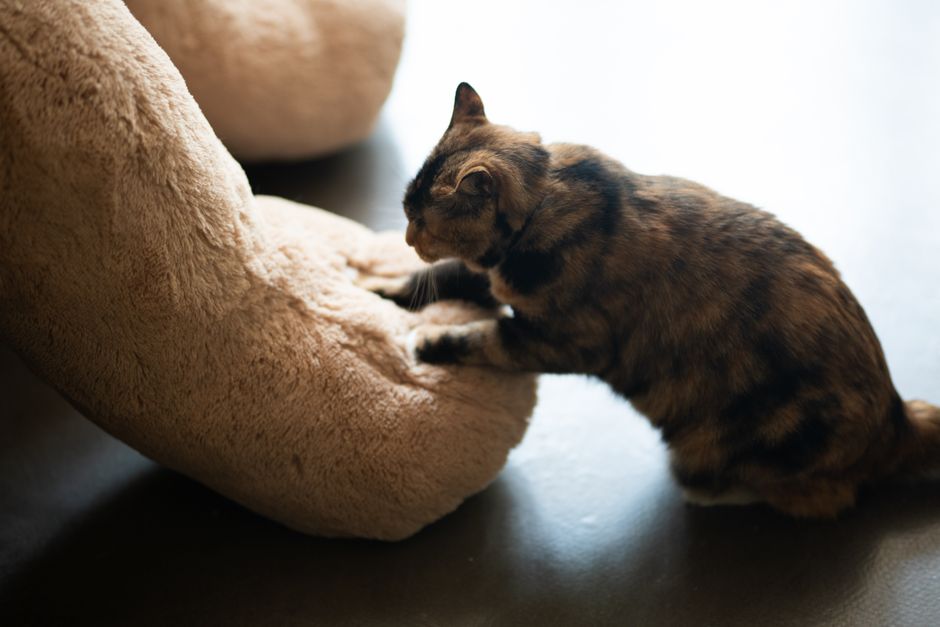
If you’re a cat owner, you’ve likely experienced that sweet moment when your feline friend climbs onto your lap and begins rhythmically pressing their paws against you, almost like they’re kneading bread dough. This endearing behavior, commonly known as “making biscuits” or “kneading,” is one of the most charming aspects of cat ownership. But have you ever wondered why cats knead and what it means when your furry companion chooses you as their personal kneading surface? Understanding cat kneading behavior reveals fascinating insights into feline psychology and the deep bond between cats and their humans.
The Origins of Cat Kneading Behavior
To understand why cats knead, we need to go back to their earliest days. Cat kneading behavior originates from kittenhood, when nursing kittens instinctively knead their mother’s belly to stimulate milk production. This rhythmic pressing motion helps ensure they receive adequate nutrition and creates a strong association between kneading and comfort, security, and maternal care.
This early imprinting is so powerful that cats carry this behavior into adulthood, long after they’ve been weaned. When your adult cat kneads you, they’re essentially reverting to those safe, nurturing feelings they experienced as kittens. It’s a testament to how comfortable and secure they feel in your presence.
What Does It Mean When Your Cat Kneads You?
Expression of Love and Trust
When cats choose to knead their human companions, it’s one of the highest compliments they can give. This behavior indicates that your cat views you as a source of comfort and security, similar to how they once viewed their mother. The fact that they’re willing to be vulnerable and engage in this instinctive behavior shows deep trust and affection.
Territorial Marking
Cats have scent glands in their paw pads, and when they knead, they’re actually marking their territory. By kneading you, your cat is essentially claiming you as their own and creating a familiar scent that provides them with comfort. This territorial aspect of cat kneading behavior explains why some cats are particular about where and when they knead.
Self-Soothing Mechanism
Many cats knead when they’re feeling stressed, anxious, or simply want to relax. The repetitive motion and the associated positive memories help them self-regulate their emotions. You might notice your cat kneading more frequently during times of change or uncertainty in their environment.
Different Types of Kneading Behaviors
The Classic Knead
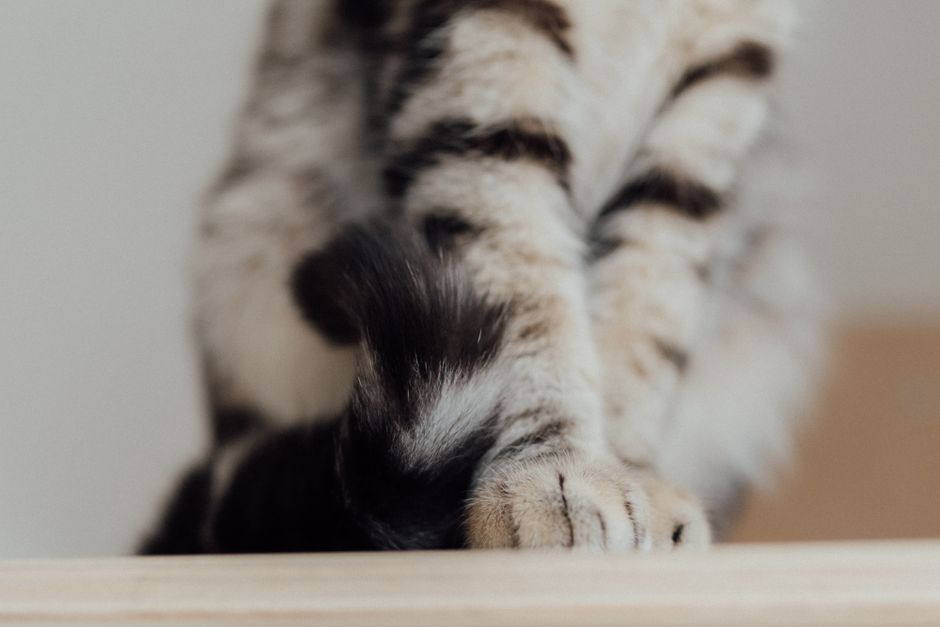
This involves alternating paw movements, pressing rhythmically against soft surfaces. Most cats keep their claws retracted during this gentle version of kneading, making it comfortable for their human recipients.
The Claw-Extended Knead
Some cats extend their claws while kneading, which can be less comfortable for humans but is equally meaningful. This behavior often occurs when cats are extremely relaxed or excited.
Kneading with Purring
When kneading is accompanied by purring, it’s a clear sign that your cat is in a state of pure contentment. This combination represents the ultimate expression of feline happiness and security.
Why Do Some Cats Knead More Than Others?
Not all cats exhibit kneading behavior to the same degree. Several factors influence how much and how often cats knead:
Early weaning: Cats that were separated from their mothers very early may knead more frequently as adults, as they have a stronger need to recreate those comforting maternal connections.
Personality: More affectionate and social cats tend to knead more often than independent or aloof cats.
Stress levels: Cats experiencing anxiety or major life changes may increase their kneading behavior as a coping mechanism.
Breed tendencies: Some breeds, particularly those known for being lap cats, may exhibit more frequent kneading behaviors.
Managing Your Cat’s Kneading: Practical Tips
When Kneading Becomes Uncomfortable
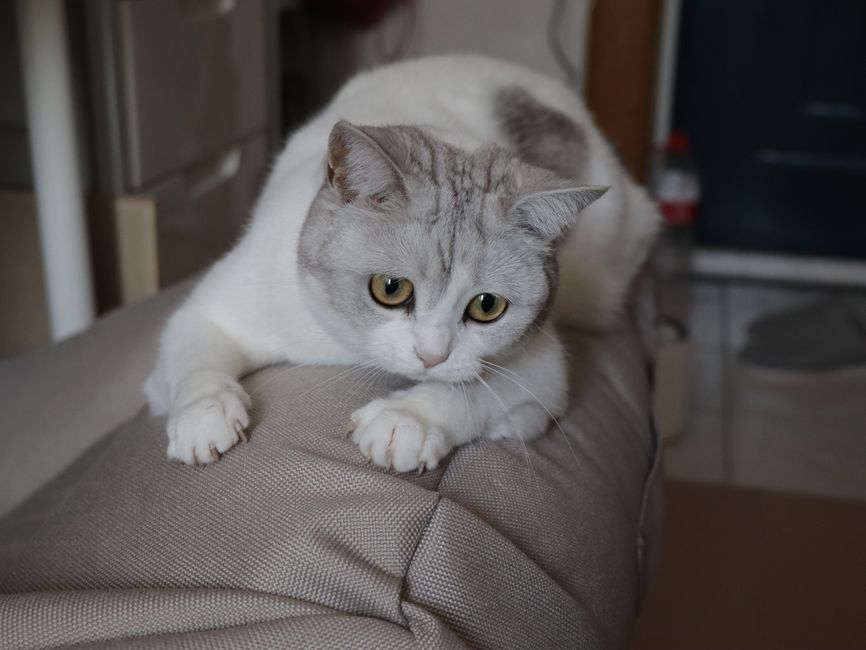
While cat kneading behavior is endearing, those sharp claws can make the experience less enjoyable. Here are some strategies to manage uncomfortable kneading:
- Keep nails trimmed: Regular nail trims can significantly reduce discomfort during kneading sessions
- Use a thick blanket: Place a soft, thick blanket on your lap to create a barrier between you and those kneading paws
- Gently reposition: If the kneading becomes too intense, gently move your cat to a nearby soft surface where they can continue
- Provide alternative surfaces: Offer soft blankets, pillows, or cat beds where your cat can knead comfortably
Encouraging Positive Kneading
If you enjoy your cat’s kneading behavior, you can encourage it by:
- Remaining calm and still during kneading sessions
- Speaking softly and offering gentle pets
- Providing soft textures that appeal to your cat’s kneading instincts
- Creating a relaxed environment that promotes this bonding behavior
When to Be Concerned About Kneading
While kneading is typically normal behavior, there are instances when you should consult your veterinarian:
- Sudden increase in kneading accompanied by other behavioral changes
- Excessive kneading that seems compulsive or interferes with normal activities
- Kneading accompanied by signs of distress or anxiety
- Any changes in your cat’s overall behavior or health
Conclusion
Understanding why cats knead helps deepen the bond between you and your feline companion. This cat kneading behavior is a beautiful expression of trust, love, and contentment that connects your adult cat to their earliest, most secure memories. When your cat chooses to knead you, they’re sharing an intimate behavior that speaks to the special relationship you’ve built together. By recognizing the significance of this behavior and managing it appropriately, you can continue to enjoy these precious moments of connection while ensuring comfort for both you and your beloved pet. Remember, every kneading session is your cat’s way of saying “I love you” in their own unique feline language.