Why Does My Cat Keep Throwing Up After Eating? 7 Common Causes and Solutions
If you’ve ever watched your beloved feline friend eagerly devour their meal only to see it reappear on your carpet minutes later, you’re not alone. Cat vomiting after eating is one of the most common concerns among pet parents, and it can be both worrying and frustrating. While occasional vomiting might not be cause for alarm, frequent episodes of your cat throwing up food could indicate underlying issues that need attention. Understanding the root causes and implementing the right solutions can help keep your kitty healthy and your floors clean.
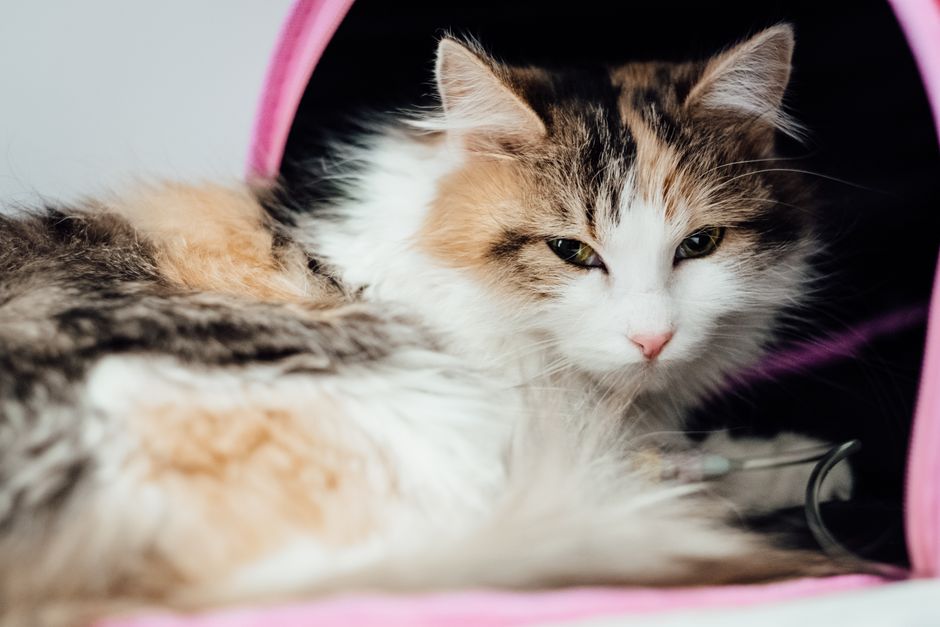
Understanding the Difference: Vomiting vs. Regurgitation
Before diving into the causes, it’s crucial to distinguish between vomiting and regurgitation. When cats vomit, they actively expel stomach contents through forceful contractions, often accompanied by retching sounds. The expelled material is typically partially digested and may contain bile. Cat regurgitation, on the other hand, is a passive process where undigested food comes back up shortly after eating, often appearing tubular in shape and containing whole food pieces.
7 Common Causes Why Your Cat Throws Up Food
1. Eating Too Fast (Rapid Consumption)
The most common reason for cat vomiting after eating is simply eating too quickly. Cats who gulp their food don’t give their stomachs enough time to accommodate the sudden influx of food, leading to immediate regurgitation. This behavior is often seen in multi-pet households where competition for food creates a sense of urgency, or in cats who have experienced food scarcity in the past.
2. Overeating
Some cats simply don’t know when to stop eating, especially if they’re fed large portions infrequently. When a cat’s stomach becomes overly full, the natural response is to expel the excess food. This is particularly common in free-feeding situations where cats have constant access to food.
3. Food Allergies or Sensitivities
Food allergies and intolerances can cause your cat to throw up shortly after eating. Common culprits include beef, fish, dairy products, and certain grains. Unlike immediate post-meal vomiting from eating too fast, allergy-related vomiting may be accompanied by other symptoms like diarrhea, skin irritation, or excessive grooming.
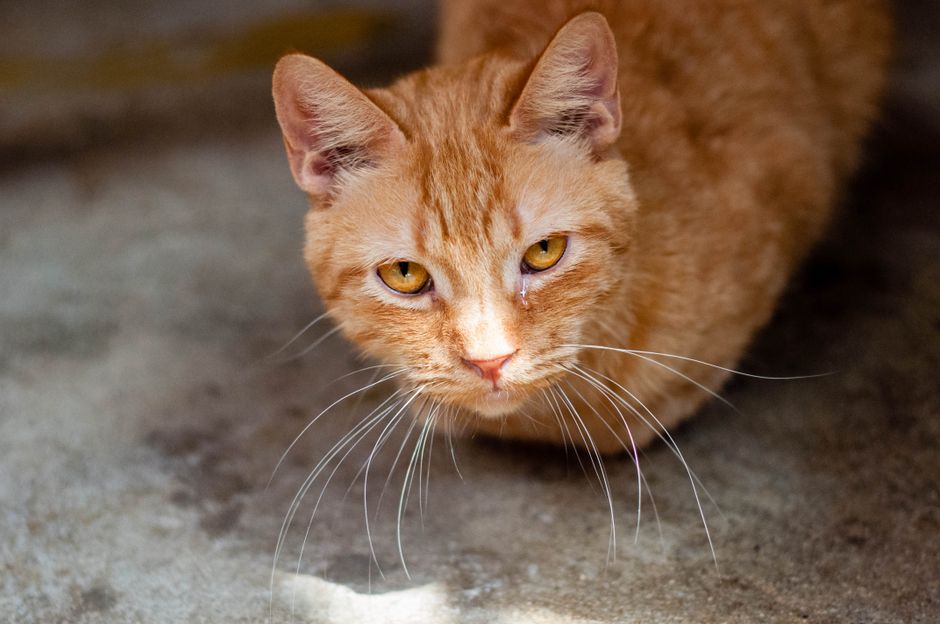
4. Hairballs and Grooming-Related Issues
While hairballs typically don’t cause immediate post-meal vomiting, they can contribute to digestive discomfort that makes cats more prone to throwing up food. Long-haired breeds are particularly susceptible, and the combination of hair in the digestive system plus a full stomach can trigger vomiting episodes.
5. Dental Problems
Dental issues such as tooth pain, gum disease, or oral infections can make eating uncomfortable for cats. When cats can’t chew their food properly due to dental problems, they may swallow larger pieces that are harder to digest, leading to vomiting.
6. Stress and Environmental Changes
Cats are sensitive creatures, and stress can significantly impact their digestive systems. Changes in routine, new pets, moving homes, or even rearranging furniture can cause stress-related digestive issues, including vomiting after meals.
7. Underlying Medical Conditions
More serious conditions such as gastrointestinal disorders, kidney disease, hyperthyroidism, or inflammatory bowel disease can cause chronic vomiting. If your cat regularly throws up food and exhibits other symptoms like lethargy, weight loss, or changes in appetite, veterinary attention is essential.
Practical Solutions to Prevent Cat Vomiting After Eating
Slow Down Eating Speed
Invest in a slow-feeder bowl or puzzle feeder to naturally regulate your cat’s eating pace. These specialized bowls have raised sections or obstacles that force cats to eat around them, significantly slowing consumption. Alternatively, you can spread food on a large, flat plate or use multiple small bowls placed around the feeding area.
Adjust Feeding Frequency and Portions
Instead of one or two large meals, offer smaller, more frequent meals throughout the day. This approach is gentler on your cat’s digestive system and reduces the likelihood of overeating. Most adult cats do well with 3-4 small meals daily.
Evaluate Your Cat’s Diet
Consider switching to a high-quality, easily digestible cat food if you suspect food sensitivities. Look for limited ingredient diets or consult your veterinarian about elimination diets to identify potential allergens. Gradual food transitions over 7-10 days can also help prevent digestive upset.
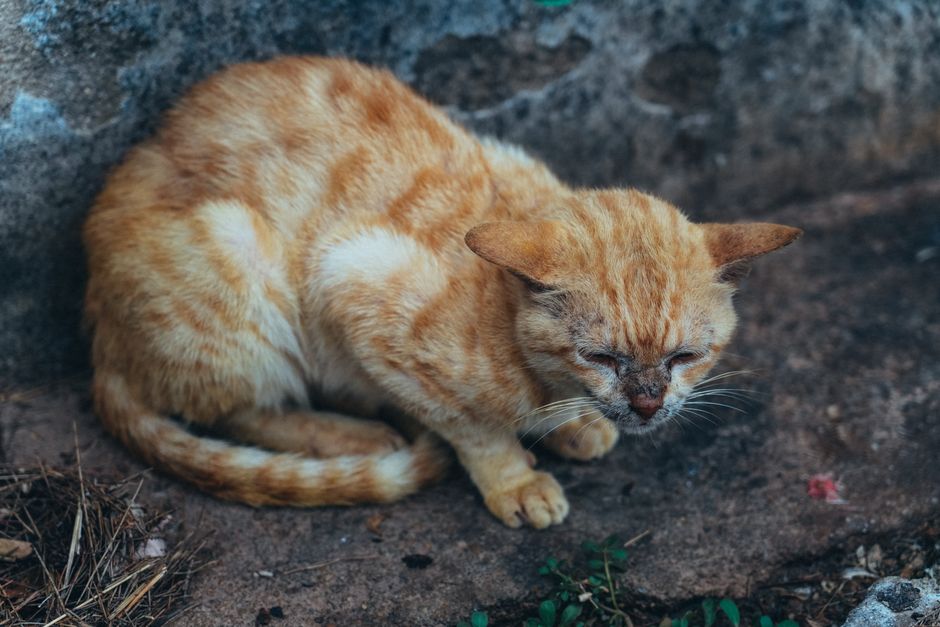
Create a Calm Feeding Environment
Ensure your cat has a quiet, stress-free place to eat. In multi-pet households, consider feeding cats in separate areas to reduce competition and anxiety. Maintain consistent feeding schedules and locations to provide security and routine.
Address Hairball Issues
Regular brushing, especially for long-haired cats, can significantly reduce hairball formation. Consider hairball prevention treats or specialized diets that help hair pass through the digestive system more easily.
When to Seek Veterinary Care
While occasional vomiting might not be concerning, certain situations warrant immediate veterinary attention. Contact your veterinarian if your cat experiences frequent vomiting (more than once per week), shows signs of dehydration, exhibits lethargy or appetite loss, has blood in vomit, or displays other concerning symptoms alongside the vomiting episodes.
Prevention Tips for Long-Term Success
Maintaining your cat’s overall health is key to preventing digestive issues. Schedule regular veterinary checkups, maintain good dental hygiene, provide plenty of fresh water, and monitor your cat’s eating habits closely. Keep a feeding diary to track patterns and identify potential triggers for vomiting episodes.
Conclusion
Cat vomiting after eating is often manageable with simple dietary and environmental adjustments. By understanding the common causes behind why your cat throws up food and implementing appropriate solutions, you can help ensure your feline friend enjoys comfortable, worry-free meals. Remember that while many cases of cat regurgitation can be resolved at home, persistent or severe symptoms always warrant professional veterinary evaluation. With patience and the right approach, most cats can overcome post-meal vomiting issues and return to healthy eating habits that keep both pet and owner happy.