Viral Cat Behaviors That Actually Signal Health Problems
We’ve all seen those adorable viral cat videos that make us laugh until our sides hurt – the wobbly kitten learning to walk, the cat who seems to be “dancing,” or the feline that appears to be smiling constantly. While these behaviors might seem endearingly quirky, many viral cat videos health concerns are hiding in plain sight. What appears funny and shareable could actually be your furry friend’s way of telling you something’s wrong. As a responsible pet owner, learning to recognize when seemingly amusing behaviors are actually cat behavior warning signs can be the difference between early treatment and serious health complications.
The Head Tilt That Breaks the Internet (But Might Break Your Heart)
One of the most common funny cat symptoms that goes viral is the persistent head tilt. While an occasional head tilt when your cat is curious or listening is perfectly normal, a constant head tilt that looks “cute” could indicate several serious conditions.
What That Adorable Head Tilt Really Means
A persistent head tilt often signals vestibular disease, ear infections, or even neurological issues. Cats with inner ear problems will tilt their heads to compensate for balance issues, and while it might look endearing, your pet is likely experiencing discomfort or disorientation.
Action steps: If your cat maintains a head tilt for more than a few minutes or shows this behavior repeatedly, schedule a veterinary examination immediately. Early intervention can prevent permanent balance issues.

The “Dancing” Cat That’s Actually in Distress
Videos of cats appearing to dance or move in unusual, rhythmic ways often go viral, but these movements frequently indicate underlying health problems rather than feline choreography skills.
Recognizing Abnormal Movement Patterns
What looks like dancing could be:
- Cerebellar hypoplasia: A neurological condition causing wobbly, uncoordinated movements
- Seizure activity: Partial seizures can create repetitive, dance-like motions
- Pain responses: Cats may move unusually to compensate for joint pain or injuries
- Toxicity reactions: Certain toxins cause involuntary muscle movements
While cerebellar hypoplasia cats can live happy lives with proper care, other causes require immediate veterinary attention. Never assume unusual movements are just quirky behavior without professional evaluation.
The Perpetually “Smiling” Cat
Cats that appear to be constantly smiling or have their mouths slightly open might seem incredibly photogenic, but this expression often indicates respiratory distress or dental problems.
Breathing Problems Disguised as Cute Expressions
Open-mouth breathing in cats is never normal and always warrants concern. Unlike dogs, cats should breathe through their noses except during extreme stress or medical emergencies. That “smile” might indicate:
- Asthma or respiratory infections
- Heart disease causing breathing difficulties
- Severe dental pain forcing the mouth to stay open
- Upper respiratory obstructions
Immediate action required: If your cat is open-mouth breathing, contact your veterinarian immediately or seek emergency care if it’s after hours.
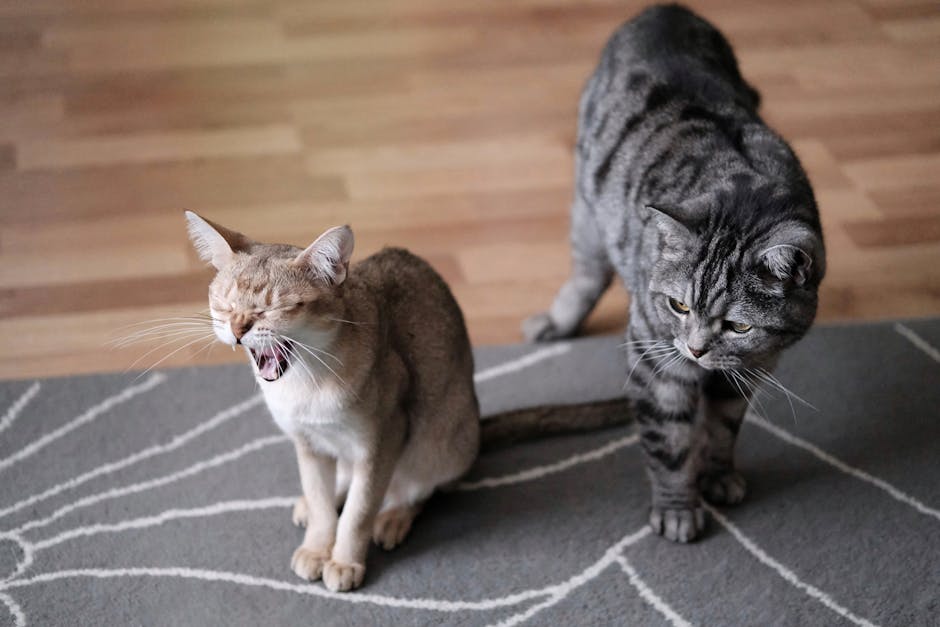
The Cat Who “Can’t Stop Laughing”
Videos of cats making repetitive vocalization sounds that seem like laughter often go viral, but excessive vocalization patterns can indicate pain, cognitive issues, or hyperthyroidism in older cats.
Decoding Excessive Vocalizations
While cats naturally communicate through various sounds, sudden increases in vocalization or unusual vocal patterns may signal:
- Cognitive dysfunction syndrome (similar to dementia in humans)
- Hyperthyroidism causing restlessness and excessive meowing
- Pain or discomfort your cat is trying to communicate
- Vision or hearing loss causing confusion and increased vocalization
The “Clumsy” Cat That Keeps Falling
Compilation videos of cats seemingly being clumsy or falling frequently might seem humorous, but repeated balance issues or falls are serious red flags for pet owners to recognize.
When Clumsiness Indicates Health Problems
Healthy cats are naturally graceful and coordinated. Frequent stumbling, falling, or apparent clumsiness often indicates:
- Vision problems or blindness
- Neurological disorders affecting coordination
- Joint pain or arthritis limiting mobility
- Inner ear infections disrupting balance
- Side effects from medications
Monitor your cat’s movement patterns and note any changes in their usual grace and coordination. Document specific instances to share with your veterinarian.

Taking Action: From Viral Videos to Veterinary Care
If you recognize any of these viral cat videos health concerns in your own pet, don’t wait for symptoms to worsen. Here’s your action plan:
Immediate Steps for Concerned Pet Owners
- Document the behavior: Take videos of concerning behaviors to show your veterinarian
- Note timing and triggers: Record when behaviors occur and what might trigger them
- Monitor other symptoms: Look for changes in appetite, litter box habits, or energy levels
- Schedule a comprehensive examination: Don’t wait for behaviors to escalate
- Prepare questions: Write down specific concerns to discuss during your appointment
Prevention and Early Detection
Regular veterinary check-ups are essential for catching health problems before they become severe enough to cause obvious behavioral changes. Senior cats (7+ years) should have twice-yearly examinations, while younger cats need annual wellness visits.
Stay observant of your cat’s normal behavior patterns so you can quickly identify when something changes. What seems cute or funny might be your cat’s way of asking for help.
Conclusion
While viral cat videos bring joy to millions of people worldwide, it’s crucial to recognize that many funny cat symptoms actually indicate underlying health problems requiring professional attention. As pet owners, our responsibility extends beyond sharing cute videos – we must advocate for our cats’ health and wellbeing. By learning to identify cat behavior warning signs disguised as amusing quirks, you can ensure your feline companion receives timely medical care. Remember, when in doubt, always consult with your veterinarian. Your cat’s health is never something to gamble with, no matter how viral-worthy their behavior might seem. Trust your instincts, stay informed about normal versus concerning behaviors, and prioritize your pet’s wellbeing over social media entertainment. Your vigilance today could save your cat’s life tomorrow.