This Cat’s Daily Yoga Routine is Breaking the Internet (And How to Train Yours)
A fluffy orange tabby named Whiskers has taken social media by storm with his incredible daily yoga routine, amassing over 2 million views in just one week. This remarkable cat yoga viral video shows Whiskers flowing through downward-facing cat poses, stretching into perfect warrior III positions, and even attempting meditation sits that would make any yogi jealous. But what’s truly fascinating isn’t just the entertainment value – it’s the genuine bond between pet and owner that shines through every perfectly executed pose. If you’ve ever wondered whether you could train cat tricks this impressive, you’re in for a treat.
The Science Behind Cats and Movement Training
Before diving into training techniques, it’s essential to understand that cats are naturally flexible and graceful creatures. Their spine contains 30 vertebrae (compared to humans’ 24), making them incredibly bendable and perfect candidates for yoga-inspired movements. What makes Whiskers’ routine so special isn’t just his natural flexibility – it’s the patient training and positive reinforcement that transformed his instinctive stretches into a structured pet yoga routine.
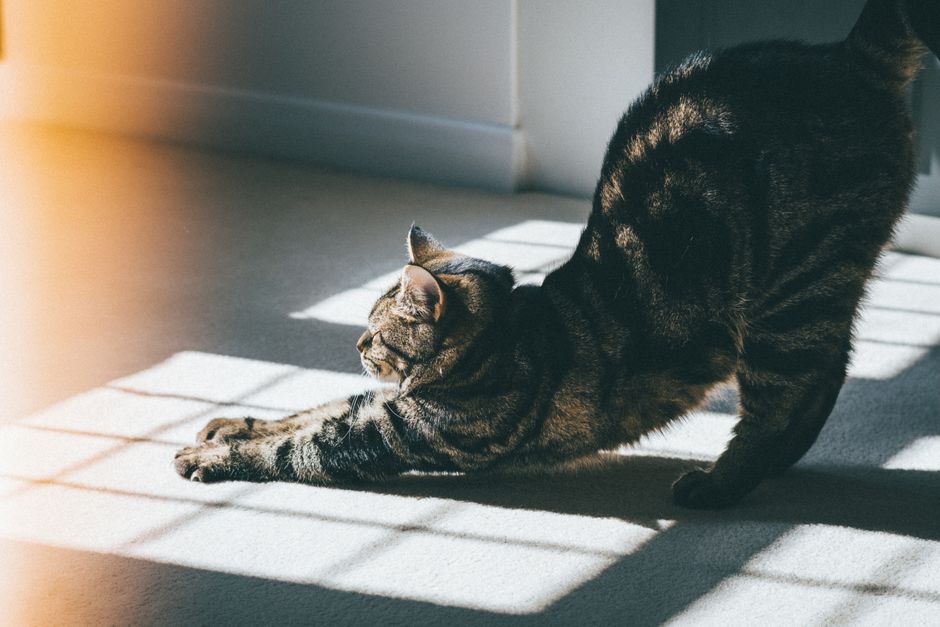
Feline behaviorists explain that cats can absolutely learn complex sequences of movements when training is approached correctly. The key lies in working with their natural behaviors rather than against them. Cats already perform many yoga-like stretches throughout their day, from the classic “cat pose” arch to their morning full-body extensions.
Getting Started: Essential Preparation for Cat Yoga Training
Creating the Right Environment
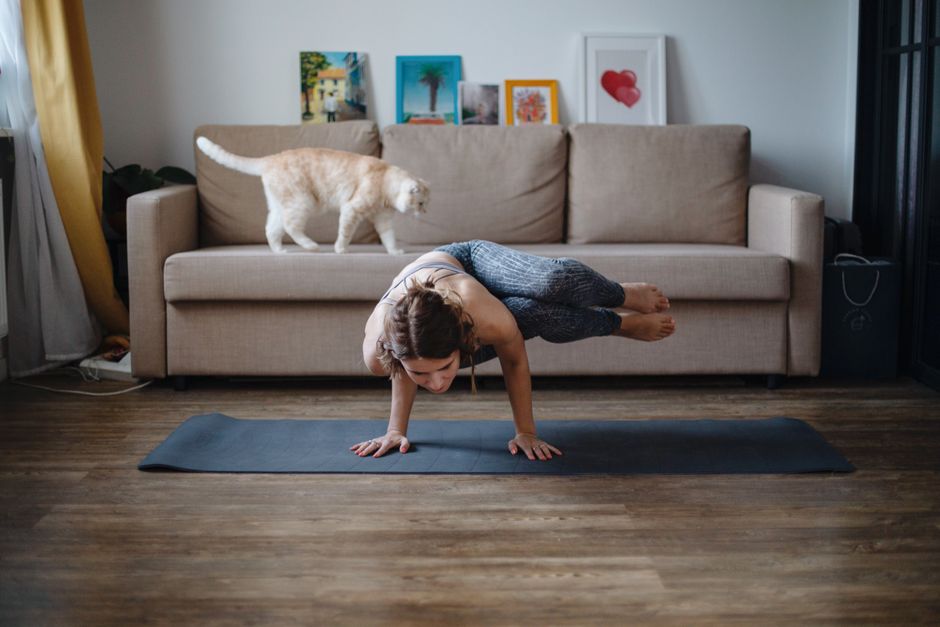
Success in training your cat begins with setting up an optimal space. Choose a quiet, comfortable area with good traction – yoga mats work perfectly for both you and your feline friend. Ensure the temperature is comfortable and eliminate distractions like other pets, loud noises, or high-traffic areas.
Timing is crucial when you want to train cat tricks effectively. The best training sessions occur when your cat is alert but not overly energetic – typically after they’ve eaten but before their usual nap time. Keep sessions short, around 5-10 minutes initially, to maintain your cat’s attention and prevent frustration.
Essential Supplies for Success
Gather high-value treats that your cat absolutely loves – these will be your primary motivation tools. Small, soft treats work best as they can be consumed quickly without breaking training flow. You’ll also want a clicker if you’re familiar with clicker training, though verbal praise works just as well for many cats.
Step-by-Step Training Guide for Basic Yoga Poses
The Foundation: “Stretch” Command
Start by observing your cat’s natural stretching routine. Most cats stretch when they wake up or after sitting for extended periods. When you notice your cat beginning to stretch naturally, immediately say “stretch” and offer a treat plus enthusiastic praise. This creates a positive association with the command word.
Practice this association for several days until your cat begins to understand that “stretch” equals rewards. Once this connection is solid, you can begin requesting stretches by using the command when your cat appears ready to stretch naturally.
Building the “Down Cat” Pose
The downward-facing cat pose is essentially an exaggerated version of the natural cat stretch. Start with your cat in a standing position, then encourage them to lower their front end while keeping their rear elevated. Use treats to guide them into position – hold the treat low and slightly forward, encouraging them to reach down and forward simultaneously.
When your cat achieves even a approximation of the pose, immediately reward them. Consistency is key when developing any pet yoga routine. Practice this pose daily, gradually extending the time your cat holds the position before receiving their reward.
Advanced Moves: The “Zen Sit” and “Warrior Cat”
Once your cat masters basic poses, you can progress to more complex positions. The “zen sit” involves training your cat to sit upright with perfect posture, ideally with eyes closed or half-closed in a meditative state. Start with regular sit commands, then gradually work on extending the duration and adding the “calm” or “zen” command.
The “warrior cat” pose requires your cat to balance on their hind legs briefly. This advanced trick should only be attempted after mastering simpler poses and should never be forced if your cat shows any discomfort.
Common Challenges and Solutions
Dealing with Resistance
Not every cat will immediately embrace yoga training, and that’s perfectly normal. If your cat seems resistant, take a step back and ensure you’re working with their natural personality. Some cats respond better to shorter, more frequent training sessions, while others prefer longer, less frequent practice.
Never use force or punishment in training. If your cat becomes stressed or agitated, end the session on a positive note with a simple command they already know, offer rewards, and try again later.

Maintaining Motivation
Keep training sessions engaging by varying rewards and incorporating play elements. Some cats respond better to interactive toys as rewards rather than treats. Others prefer verbal praise and petting. Experiment to find what motivates your individual cat most effectively.
Safety Considerations and Best Practices
Always prioritize your cat’s physical and emotional well-being over achieving perfect poses. Watch for signs of stress, fatigue, or discomfort, and never push your cat beyond their natural flexibility limits. Remember that senior cats or those with health conditions may have physical limitations that prevent certain movements.
Consult with your veterinarian before beginning any intensive training program, especially if your cat has a history of joint problems or mobility issues. They can provide valuable guidance on which movements are safe for your specific pet.
Building Your Cat’s Viral Moment
While creating the next cat yoga viral video shouldn’t be your primary goal, documenting your cat’s progress can be incredibly rewarding. Start filming once your cat has mastered basic poses and seems comfortable performing them. Natural lighting and a clean, simple background help create professional-looking videos that showcase your cat’s skills effectively.
Remember that what makes these videos truly special isn’t just the tricks themselves – it’s the obvious bond and trust between pet and owner that resonates with viewers worldwide.
Conclusion: Strengthening the Human-Feline Bond
Training your cat in yoga-inspired movements offers benefits far beyond internet fame. The process builds trust, provides mental stimulation, and creates a unique bonding experience that enriches both your lives. Whether your cat becomes the next viral sensation or simply enjoys learning new tricks in the privacy of your living room, the journey of training a pet yoga routine offers rewards that extend far beyond the final pose.
Start small, stay patient, and celebrate every small victory along the way. Your cat’s yoga journey may not break the internet, but it will certainly strengthen the incredible bond you share with your feline friend. Remember, every expert was once a beginner – even Whiskers started with simple stretches before becoming a yoga master.