The Viral ‘Cat Loaf’ Position: What It Really Means When Your Cat Sits Like Bread
If you’ve spent any time on social media or observing your feline friend, you’ve likely encountered the adorable phenomenon known as the “cat loaf” position. This charming sitting posture, where cats tuck their paws underneath their body and resemble a freshly baked loaf of bread, has captured the hearts of pet owners worldwide. But beyond its undeniable cuteness factor, the cat loaf position meaning reveals fascinating insights into your cat’s emotional state, comfort level, and natural instincts.
What Exactly Is the Cat Loaf Position?
The cat loaf position is a specific cat sitting posture where your feline companion sits upright with all four paws tucked neatly beneath their body. In this position, cats maintain an alert, sphinx-like appearance while keeping their legs completely hidden from view. The rounded shape they create strongly resembles a loaf of bread, which is how this endearing term originated.
This position is also sometimes called “catloafing,” “making biscuits” (though this can refer to kneading behavior too), or simply “loafing.” Regardless of what you call it, this cat sitting posture is one of the most photographed and shared pet behaviors on the internet, spawning countless memes and social media accounts dedicated to cats in loaf formation.

The Hidden Meaning Behind Your Cat’s Loaf Position
Comfort and Contentment
When your cat assumes the loaf position, it’s typically a positive sign that they’re feeling comfortable and secure in their environment. This cat sitting posture indicates that your feline friend trusts their surroundings enough to relax while remaining alert. Unlike lying on their side or back (which signals complete vulnerability), the loaf position allows cats to rest while staying ready to spring into action if needed.
Temperature Regulation
The cat loaf position meaning often relates to thermoregulation. By tucking their paws underneath their body, cats conserve body heat and protect their sensitive paw pads from cold surfaces. This is why you’ll often notice your cat loafing on cool mornings or when resting on tile floors. It’s their natural way of staying cozy while maintaining an upright, alert posture.
Alertness and Observation
Unlike sprawled-out sleeping positions, the loaf formation keeps cats in a state of relaxed alertness. This cat sitting posture allows them to quickly survey their territory, watch for interesting activities, or respond to sounds and movements. It’s the perfect compromise between rest and readiness – a testament to cats’ evolutionary instincts as both predators and prey animals.

When Cats Choose the Loaf Position
Environmental Factors
Several factors influence when your cat will adopt this particular sitting posture. Cool temperatures often trigger loafing behavior, as cats instinctively conserve warmth. You’ll also notice increased loafing during transition periods – like when your cat is deciding whether to nap or explore, or when they’re settling into a new spot.
Emotional State Indicators
The cat loaf position meaning extends to emotional communication. Cats typically loaf when they’re feeling content but not completely relaxed. If your cat’s eyes are half-closed while loafing, they’re likely in a peaceful, meditative state. However, if their eyes are wide open and ears are rotating, they’re probably monitoring their environment while resting.
Social Situations
In multi-pet households, cats often adopt the loaf position when they want to rest while keeping an eye on other animals. This cat sitting posture allows them to appear non-threatening while maintaining the ability to move quickly if necessary. It’s essentially their way of saying, “I’m relaxed, but I’m still watching.”
Practical Tips for Cat Owners
Creating Loaf-Friendly Spaces
To encourage this adorable behavior and ensure your cat’s comfort, consider creating designated loafing spots throughout your home. Provide slightly elevated surfaces like cat trees, window perches, or even cardboard boxes where your cat can loaf while surveying their domain. These areas should offer a good view of the room while providing a sense of security.
Understanding Your Cat’s Preferences
Pay attention to where and when your cat chooses to loaf. Some cats prefer sunny windowsills, while others favor cool kitchen counters. Understanding these preferences helps you recognize patterns in your cat’s behavior and can indicate their comfort level in different areas of your home.
When to Be Concerned
While the cat loaf position meaning is generally positive, sudden changes in loafing behavior might warrant attention. If your typically social cat begins loafing in isolated areas or if they seem unable to relax enough to adopt this posture, it could indicate stress or discomfort. Similarly, if your cat appears “stuck” in the loaf position or shows signs of difficulty moving, consult your veterinarian.
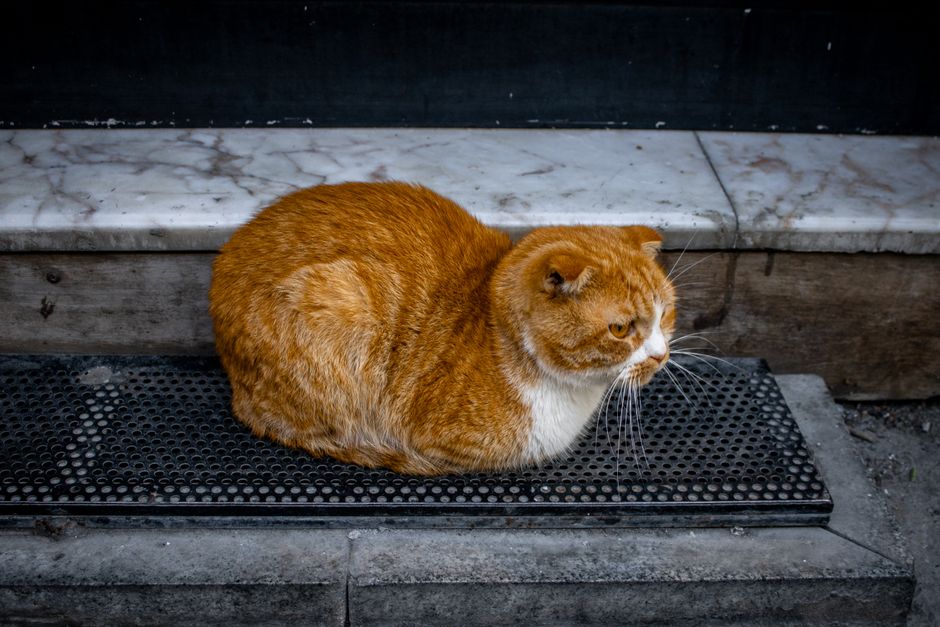
The Science Behind Cat Sitting Postures
Research in feline behavior suggests that different cat sitting postures communicate various emotional and physical states. The loaf position represents an optimal balance between energy conservation and environmental awareness. This posture allows cats to maintain muscle readiness while reducing energy expenditure – a perfect example of evolutionary efficiency.
Veterinary behaviorists note that cats who frequently adopt the loaf position in various locations throughout the home typically demonstrate good environmental confidence and emotional well-being. This makes the cat loaf position meaning particularly valuable for assessing your pet’s overall contentment.
Cultural Impact and Social Media Fame
The internet’s obsession with the cat loaf position has created a global community of cat lovers who share photos and stories of their loafing felines. This phenomenon has helped educate pet owners about normal cat behaviors while celebrating the quirky charm that makes cats such beloved companions.
Conclusion
Understanding the cat loaf position meaning enriches your relationship with your feline friend by providing insights into their emotional state and comfort level. This charming cat sitting posture signals contentment, alertness, and trust in their environment – all positive indicators of a happy, well-adjusted cat. By recognizing and appreciating this behavior, you can better understand your cat’s needs and create an environment that supports their natural instincts. So the next time you spot your cat loafing, take a moment to appreciate this perfect blend of practicality and adorability that makes our feline companions so endlessly fascinating.