My Cat Won’t Stop Meowing at Night: 7 Reasons and How to Fix It
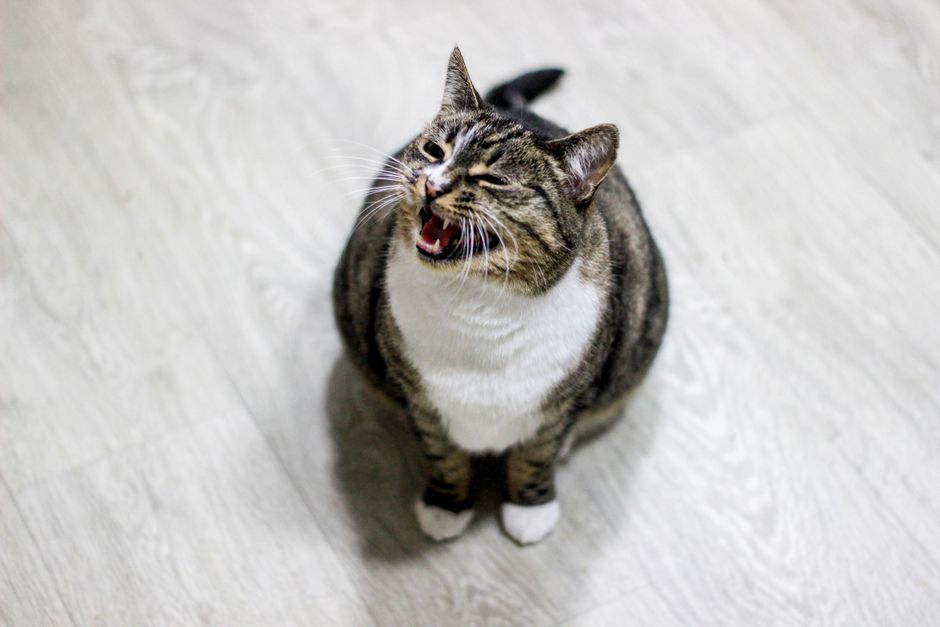
Nothing tests a cat parent’s patience quite like the sound of relentless meowing echoing through the house at 3 AM. If your feline friend has transformed into a nocturnal opera singer, you’re not alone. Cat meowing at night is one of the most common behavioral issues pet owners face, but the good news is that it’s usually solvable once you understand the underlying cause. Whether your cat is experiencing medical issues, boredom, or simply following their natural instincts, this comprehensive guide will help you identify why your kitty won’t stop vocalizing and provide practical solutions to restore peaceful nights for everyone in your household.
Understanding Normal vs. Problematic Nighttime Meowing
Before diving into solutions, it’s important to distinguish between normal feline communication and problematic cat yowling nighttime behavior. Cats are naturally more active during dawn and dusk hours (crepuscular), so some vocalization during these times is completely normal. However, excessive, persistent meowing that disrupts sleep or seems distressed warrants attention.
Problematic nighttime meowing typically involves loud, repetitive vocalizations that continue for extended periods, often accompanied by pacing, restlessness, or other behavioral changes. Understanding this distinction helps you determine whether your cat needs intervention or is simply expressing normal feline behavior.
7 Common Reasons Your Cat Meows at Night
1. Medical Issues and Discomfort
The first step in addressing nighttime meowing should always be ruling out medical causes. Cats often vocalize when they’re in pain, discomfort, or experiencing health issues. Common medical reasons include:
- Arthritis or joint pain, especially in senior cats
- Urinary tract infections or kidney disease
- Hyperthyroidism, particularly common in older cats
- Cognitive dysfunction syndrome (feline dementia)
- High blood pressure or other systemic conditions
If your cat’s nighttime meowing is a new behavior or has increased suddenly, schedule a veterinary examination to rule out underlying health problems.
2. Hunger and Feeding Schedule Issues
Many cats develop the habit of demanding food during nighttime hours, especially if they’ve been successful in training their humans to respond to their vocalizations with treats or meals. Cats with irregular feeding schedules or those who associate nighttime with food rewards often engage in persistent meowing.
3. Boredom and Insufficient Mental Stimulation
Indoor cats who lack adequate mental and physical stimulation during the day may become restless at night. Without proper outlets for their energy, they resort to meowing to express frustration or seek attention from their sleeping owners.

4. Attention-Seeking Behavior
Cats are intelligent creatures who quickly learn which behaviors get them the attention they crave. If responding to nighttime meowing with petting, talking, or even scolding has worked in the past, your cat may continue this behavior expecting the same response.
5. Anxiety and Environmental Stress
Changes in the household, new pets, moving to a new home, or even rearranging furniture can trigger anxiety in sensitive cats. This stress often manifests as increased vocalization, particularly during quiet nighttime hours when cats feel most vulnerable.
6. Mating Behaviors
Unspayed and unneutered cats often engage in loud vocalizations as part of their mating behaviors. Female cats in heat and male cats responding to nearby females can produce particularly loud yowling sounds during nighttime hours.
7. Age-Related Changes
Senior cats may experience confusion, disorientation, or cognitive changes that lead to increased nighttime vocalization. These age-related issues require special consideration and often benefit from environmental modifications and veterinary support.
Effective Solutions to Stop Cat Nocturnal Meowing
Establish a Consistent Routine
Creating predictable daily routines helps reduce anxiety and sets clear expectations for your cat. Feed meals at the same times each day, with the last meal occurring 2-3 hours before your bedtime. This prevents hunger-related nighttime meowing while ensuring your cat isn’t too full to sleep comfortably.
Increase Daytime Activity and Enrichment
The key to reducing nighttime restlessness is ensuring your cat expends energy during appropriate hours. Engage your cat in active play sessions using feather wands, laser pointers, or motorized toys. Provide puzzle feeders, rotating toy selection, and climbing structures to keep their minds occupied throughout the day.
Create a Comfortable Sleep Environment
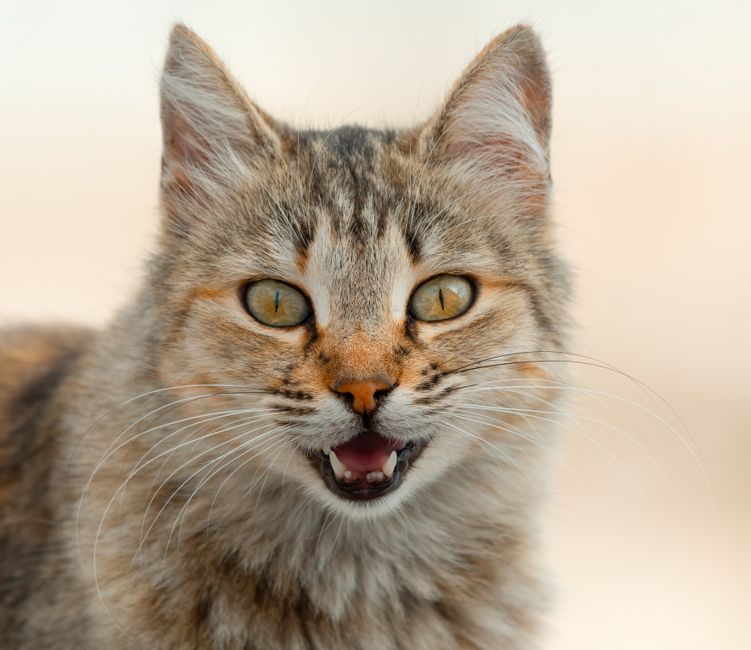
Designate a comfortable sleeping area for your cat with soft bedding, appropriate temperature, and minimal disruptions. Some cats prefer elevated sleeping spots, while others enjoy enclosed spaces. Experiment with different options to find what works best for your feline friend.
Ignore Attention-Seeking Behaviors
If medical issues have been ruled out, avoid reinforcing cat meowing at night by not responding to demands for attention. This requires patience and consistency, as cats may initially increase their vocalizations when their usual tactics stop working. Use earplugs or white noise machines to help you resist the urge to respond.
Address Anxiety and Stress
For anxiety-related meowing, consider using Feliway diffusers, calming supplements, or creating safe spaces where your cat can retreat when feeling overwhelmed. Gradually introduce any household changes and maintain familiar routines during stressful periods.
Consider Professional Help
Persistent nighttime meowing that doesn’t respond to basic interventions may require professional assistance from veterinary behaviorists or certified cat behavior consultants. They can develop customized behavior modification plans tailored to your cat’s specific needs.
When to Seek Veterinary Care
Contact your veterinarian immediately if nighttime meowing is accompanied by:
- Loss of appetite or changes in eating habits
- Lethargy or decreased activity during daytime
- Changes in litter box usage
- Disorientation or confusion
- Physical signs of distress or pain
Conclusion
Addressing cat yowling nighttime behavior requires patience, consistency, and often some detective work to identify the underlying cause. By systematically ruling out medical issues, adjusting environmental factors, and implementing appropriate behavioral modifications, most cat owners can successfully reduce or eliminate disruptive nighttime meowing. Remember that lasting change takes time, and what works for one cat may not work for another. Stay patient with the process, celebrate small improvements, and don’t hesitate to seek professional help when needed. With the right approach, you and your feline companion can both enjoy peaceful, restful nights once again.