Is Your Cat’s Excessive Meowing Normal? When to Worry
If you’re a cat parent, you’ve probably experienced those moments when your feline friend seems to have something very important to say – and they’re not going to stop talking until you understand! While cats are naturally vocal creatures, excessive meowing can sometimes signal underlying issues that deserve your attention. Understanding the difference between normal cat communication and concerning vocal behavior is crucial for maintaining your pet’s health and happiness.
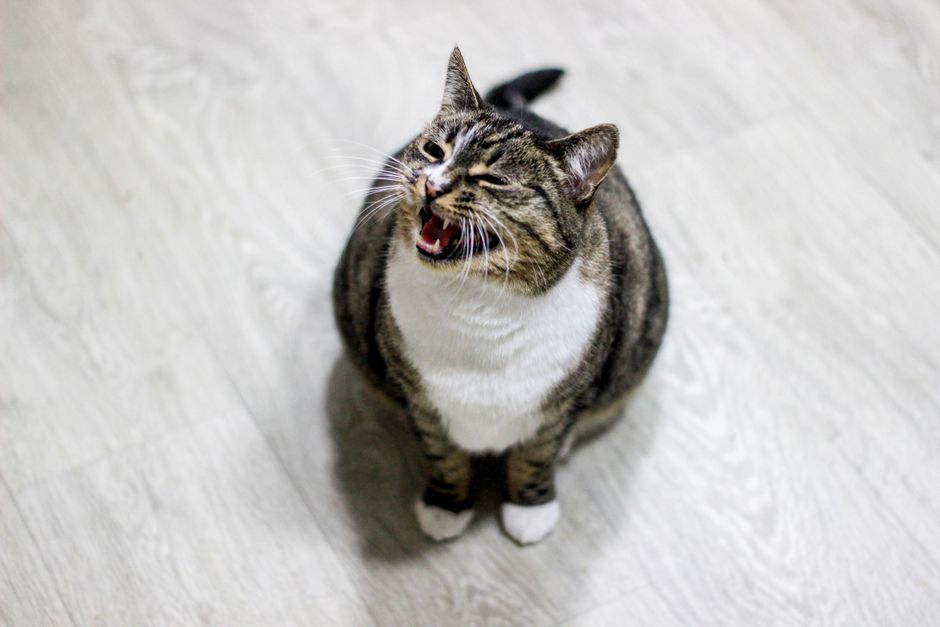
Understanding Normal Cat Communication
Before diving into excessive meowing reasons, it’s essential to recognize that cats communicate differently with humans than they do with other cats. Adult cats rarely meow at each other – this vocalization is primarily reserved for their human companions. Most cats develop their own unique “vocabulary” with their owners, using different meows to express various needs and emotions.
Typical vocal cats might meow to greet you when you come home, request food, ask for attention, or simply engage in conversation. Some breeds, like Siamese and Oriental cats, are naturally more talkative than others. These vocal cats often “chat” with their owners throughout the day, and this behavior is perfectly normal for their personality type.
Common Reasons for Cat Excessive Meowing
Attention-Seeking Behavior
One of the most frequent causes of excessive meowing is your cat’s desire for attention. If meowing has successfully gotten them what they wanted in the past – whether it’s food, petting, or playtime – they’ll continue using this effective communication method. This learned behavior can escalate if consistently rewarded.
Hunger and Food-Related Requests
Many cats become quite vocal around mealtime, and some may meow excessively if they feel their feeding schedule isn’t being met. Free-feeding cats might meow less about food, while cats on scheduled meals often become more vocal as feeding time approaches.
Stress and Environmental Changes
Cats are creatures of habit, and changes in their environment can trigger increased vocalization. Moving to a new home, introducing new pets, changes in family dynamics, or even rearranging furniture can cause stress-related excessive meowing.
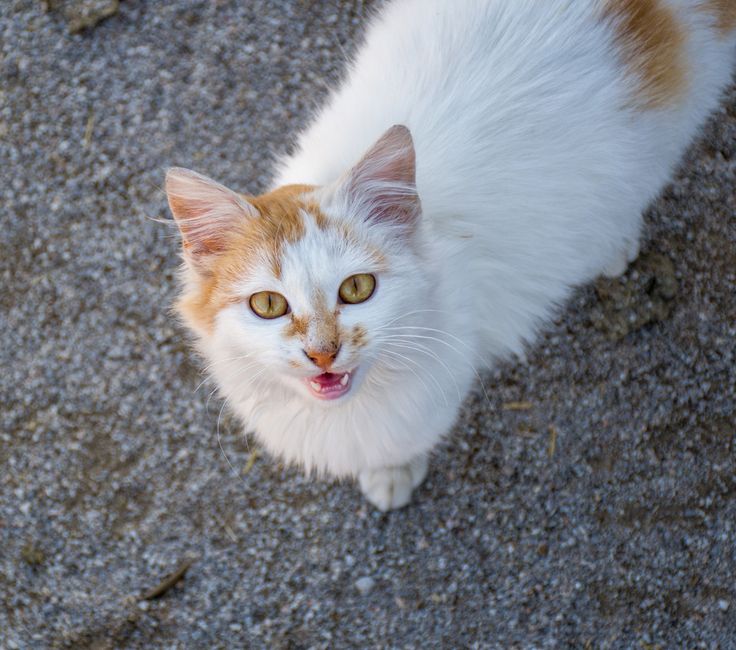
Health Concerns Related to Excessive Meowing
While behavioral reasons are common, excessive meowing can sometimes indicate health concerns that require veterinary attention. Being aware of these potential issues can help you determine when professional evaluation is necessary.
Pain and Discomfort
Cats instinctively hide pain, but excessive vocalization can be one of the few outward signs they display when experiencing discomfort. Arthritis, dental problems, urinary tract issues, or other painful conditions might cause increased meowing, especially when moving or being touched.
Cognitive Dysfunction in Senior Cats
Older cats may develop cognitive dysfunction syndrome, similar to dementia in humans. This condition can cause confusion, disorientation, and increased vocalization, particularly at night. Senior cats might meow more due to anxiety or confusion about their surroundings.
Hyperthyroidism
This common condition in older cats can cause increased activity levels, including excessive vocalization. Hyperthyroid cats often become more demanding and vocal, accompanied by other symptoms like weight loss despite increased appetite, restlessness, and increased thirst.
Hearing Loss
Cats with hearing impairments may meow more loudly or frequently because they can’t hear themselves or gauge appropriate volume levels. This is particularly common in senior cats or those with chronic ear problems.
When to Consult Your Veterinarian
Knowing when excessive meowing warrants professional attention is crucial for your cat’s wellbeing. Schedule a veterinary appointment if you notice:
- Sudden onset of excessive meowing in a previously quiet cat
- Meowing accompanied by changes in eating, drinking, or litter box habits
- Vocalization that seems to indicate pain or distress
- Increased meowing in senior cats, especially at night
- Meowing combined with other behavioral changes like hiding, aggression, or lethargy
- Excessive vocalization following illness or injury

Practical Solutions for Managing Excessive Meowing
Establish Consistent Routines
Cats thrive on predictability. Maintaining regular feeding times, play sessions, and daily routines can reduce anxiety-related excessive meowing. When cats know what to expect and when, they’re less likely to vocalize demands constantly.
Increase Mental and Physical Stimulation
Bored cats often become vocal cats. Provide plenty of interactive toys, puzzle feeders, climbing structures, and regular play sessions to keep your cat mentally and physically engaged. A tired, satisfied cat is generally a quieter cat.
Address Attention-Seeking Behavior Appropriately
If your cat’s excessive meowing is purely attention-seeking, avoid reinforcing the behavior by responding to every vocalization. Instead, reward quiet behavior with attention and ignore demanding meows. This approach requires patience and consistency but can be highly effective.
Create a Calm Environment
For stress-related meowing, focus on creating a secure, comfortable environment. Provide hiding spots, maintain consistent household routines, and consider pheromone diffusers or calming supplements if environmental stressors can’t be eliminated.
Special Considerations for Different Life Stages
Kittens naturally meow more as they learn to communicate, while senior cats may increase vocalization due to various age-related factors. Pregnant or nursing cats often become more vocal, and cats in heat will definitely increase their calling behavior. Understanding these life-stage variations helps distinguish normal vocal changes from concerning excessive meowing.
Conclusion
While many vocal cats are simply expressing their personalities and needs, excessive meowing can sometimes signal important health concerns or behavioral issues requiring attention. By understanding normal feline communication patterns and recognizing when vocalization becomes excessive, you can better care for your feline companion. Remember that sudden changes in meowing patterns, especially when accompanied by other symptoms, warrant veterinary consultation. With patience, observation, and appropriate intervention when necessary, you can help ensure your cat’s vocalizations remain a healthy form of communication rather than a sign of distress. Trust your instincts as a pet parent – you know your cat best, and any concerning changes in their vocal behavior deserve professional evaluation.