Is My Dog’s Excessive Panting Normal? When to Worry and When to Call the Vet
As a loving dog parent, you’ve probably watched your furry friend pant after a vigorous game of fetch or a sunny afternoon walk. But what happens when that familiar tongue-lolling behavior seems more intense or frequent than usual? Understanding when dog excessive panting crosses the line from normal to concerning can be the difference between peace of mind and a potential emergency. Let’s dive into everything you need to know about your dog’s breathing patterns and when it’s time to pick up the phone and call your veterinarian.
Understanding Normal Dog Panting vs. Excessive Panting
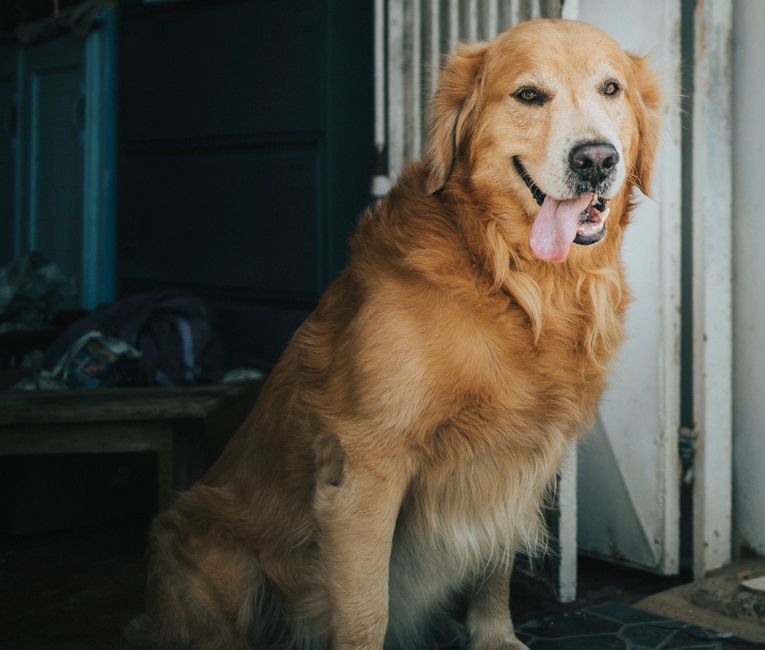
Dogs pant as their primary method of cooling down since they can’t sweat through their skin like humans do. Normal panting typically occurs after exercise, during warm weather, or when your dog is excited or stressed. You’ll notice their mouth open, tongue hanging out, and steady, rhythmic breathing that gradually slows down as they cool off.
Dog excessive panting, however, looks quite different. This type of breathing is often more rapid, intense, and doesn’t seem to have an obvious trigger like heat or activity. Your dog might pant continuously even when resting, or the panting might seem labored and uncomfortable. The key is recognizing when your dog’s normal cooling mechanism becomes something more concerning.

Common Causes of Heavy Breathing in Dogs
Heat-Related Panting
The most common reason for increased panting is temperature regulation. During hot weather or after physical activity, dog breathing heavy is completely normal. However, if your dog seems unable to cool down after 10-15 minutes of rest in a cool environment, this could indicate heat exhaustion or heat stroke.
Stress and Anxiety
Just like humans might breathe heavily when nervous, dogs pant when they’re anxious or stressed. Common triggers include thunderstorms, fireworks, car rides, or changes in routine. This type of panting usually subsides once the stressful situation passes.
Medical Conditions
Several health issues can cause excessive panting, including heart disease, respiratory problems, pain, fever, or hormonal imbalances like Cushing’s disease. These conditions require professional veterinary attention and shouldn’t be ignored.
Medications and Age
Certain medications, particularly steroids, can increase panting. Additionally, senior dogs may pant more frequently due to age-related health changes or decreased ability to regulate body temperature effectively.

Red Flag Signs: When Dog Panting Emergency Situations Arise
Knowing when dog panting emergency intervention is needed can save your pet’s life. Call your veterinarian immediately or head to the nearest emergency animal hospital if you notice:
- Blue or pale gums and tongue – This indicates oxygen deprivation
- Excessive drooling combined with heavy panting
- Collapse or inability to stand
- Vomiting or diarrhea alongside the panting
- Panting that doesn’t improve after cooling measures
- Loud, raspy breathing sounds
- Extended neck and difficulty lying down
- Sudden onset of severe panting without obvious cause
These symptoms often indicate serious conditions like heat stroke, heart failure, or respiratory distress that require immediate medical attention.
Practical Steps to Help Your Panting Dog
Immediate Cooling Measures
If you suspect heat-related panting, move your dog to a cool, shaded area immediately. Offer small amounts of cool (not ice-cold) water and apply cool, wet towels to their paw pads and belly. Never use ice or extremely cold water, as this can cause blood vessels to constrict and actually trap heat inside.
Creating a Calm Environment
For anxiety-induced panting, remove your dog from the stressful situation if possible. Create a quiet, comfortable space where they feel safe. Speak in soothing tones and avoid overwhelming them with attention, which might increase their stress.
Monitoring and Documentation
Keep track of when the panting occurs, how long it lasts, and any accompanying symptoms. This information will be invaluable for your veterinarian in determining the underlying cause and appropriate treatment.
Prevention Tips for Dog Owners
While you can’t prevent all causes of dog excessive panting, you can take several proactive steps:
- Maintain a healthy weight for your dog, as overweight pets are more prone to breathing difficulties
- Provide adequate shade and water during outdoor activities
- Exercise during cooler parts of the day, especially in summer
- Keep up with regular veterinary checkups to catch health issues early
- Learn your dog’s normal behavior patterns so you can quickly identify changes
- Gradually acclimate your dog to stressful situations when possible
When to Schedule a Vet Visit
Even if your dog’s panting doesn’t seem like an emergency, certain situations warrant a veterinary consultation. Schedule an appointment if the panting is persistent, occurs without obvious triggers, is accompanied by changes in appetite or behavior, or if you’re simply concerned about your pet’s well-being. Trust your instincts as a pet parent – you know your dog better than anyone.
Conclusion: Staying Alert While Staying Calm
Understanding the difference between normal and dog excessive panting is crucial for every pet owner. While most panting is completely normal and serves an important physiological function, being aware of warning signs can help you respond appropriately when your dog needs help. Remember that dog breathing heavy can have many causes, ranging from simple heat regulation to serious medical conditions.
The key is knowing your individual dog’s normal patterns and staying alert to changes. When in doubt, don’t hesitate to consult with your veterinarian – they’re your best resource for ensuring your furry friend stays healthy and comfortable. By staying informed and observant, you can enjoy many happy, healthy years with your canine companion, confident in your ability to recognize when dog panting emergency situations require immediate action.