Is My Dog’s Excessive Panting Normal? When to Worry About Heavy Breathing
As a loving dog owner, you’ve probably noticed your furry friend panting after a vigorous game of fetch or during a hot summer day. But what happens when that panting seems more intense than usual, or occurs even when your dog appears relaxed? Understanding the difference between normal and excessive panting is crucial for your pet’s health and your peace of mind. While panting is a natural cooling mechanism for dogs, heavy breathing can sometimes signal underlying health issues that require immediate attention.

Understanding Normal Dog Panting
Before we dive into concerning signs, it’s important to understand when dog panting is completely normal. Unlike humans, dogs don’t sweat through their skin. Instead, they regulate their body temperature primarily through panting, which allows moisture to evaporate from their tongue and respiratory tract.
When Normal Panting Occurs
Your dog’s panting is typically normal in these situations:
- After exercise: Physical activity naturally increases body temperature, making panting necessary for cooling down
- Hot weather: High temperatures and humidity levels trigger your dog’s natural cooling response
- Excitement: Happy anticipation, like before walks or meals, can cause temporary heavy breathing
- Stress or anxiety: New environments, loud noises, or unfamiliar situations may trigger panting
- During sleep: Light panting during dreams is generally harmless
Recognizing Excessive Panting: Red Flags to Watch For
While normal panting serves an important function, excessive panting that seems disproportionate to the situation warrants closer attention. Here are the warning signs that indicate your dog’s heavy breathing might be cause for concern:
Intensity and Duration
Pay attention to how intense and prolonged your dog’s panting episodes are. Excessive panting that continues for extended periods without an obvious trigger like heat or exercise could indicate a problem. If your dog is panting heavily while at rest in a cool environment, this is particularly concerning.
Changes in Breathing Pattern
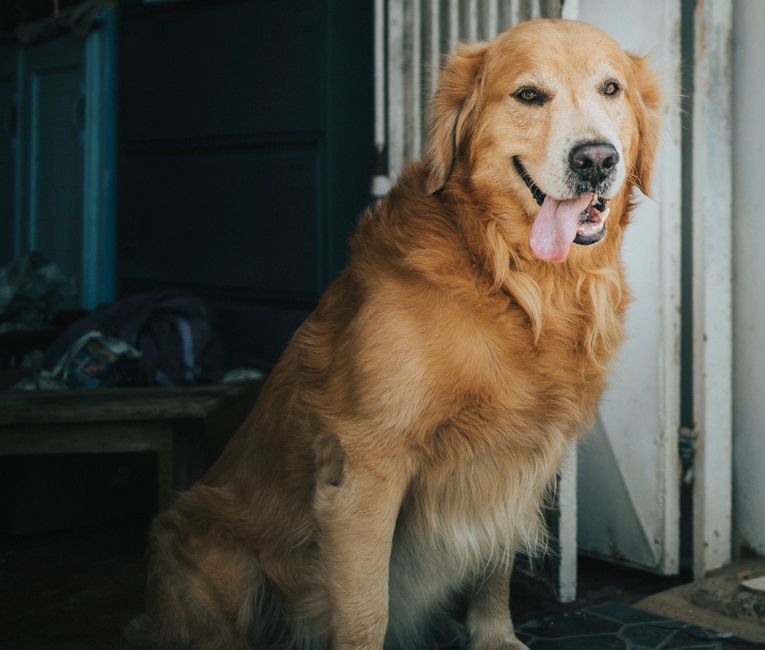
Normal panting typically involves open-mouthed breathing with the tongue hanging out. However, if you notice your dog breathing with a closed mouth, shallow rapid breaths, or unusual positioning (like extending their neck), these could be signs of respiratory distress.

Common Causes of Excessive Panting in Dogs
Understanding the potential causes behind your dog’s heavy breathing can help you determine when professional veterinary care is necessary.
Heat-Related Issues
Heatstroke is a serious condition that can develop quickly, especially in hot, humid weather. Breeds with flat faces (like Bulldogs and Pugs) are particularly susceptible. Signs include excessive panting, drooling, weakness, and bright red gums.
Pain and Discomfort
Dogs often mask pain, but heavy breathing can be one of the few visible signs. Conditions like arthritis, injuries, or internal pain may cause your dog to pant more than usual, especially when moving or being touched.
Heart and Respiratory Problems
Cardiovascular issues, including heart disease and heart failure, can cause labored breathing. Similarly, respiratory conditions like pneumonia, bronchitis, or lung problems may result in persistent heavy breathing.
Medications and Toxins
Certain medications, including steroids like prednisone, can increase panting as a side effect. Additionally, ingestion of toxic substances may cause respiratory distress and excessive panting.
When to Seek Immediate Veterinary Care
Some situations require urgent medical attention. Contact your veterinarian immediately or visit an emergency animal hospital if you observe:
- Blue or purple gums and tongue
- Excessive drooling combined with heavy breathing
- Collapse or inability to stand
- Loud, labored breathing or wheezing
- Panting accompanied by vomiting or diarrhea
- Signs of pain when breathing
- Sudden onset of severe panting without apparent cause
Practical Tips for Managing Your Dog’s Panting
While some causes of excessive panting require veterinary intervention, there are several steps you can take to help your dog stay comfortable and potentially reduce unnecessary heavy breathing.
Environmental Management
Keep your home at a comfortable temperature and ensure your dog has access to fresh water at all times. During hot weather, limit outdoor activities to cooler parts of the day and provide shaded areas when outside.
Weight Management
Overweight dogs are more prone to breathing difficulties and excessive panting. Work with your veterinarian to develop an appropriate diet and exercise plan if your dog needs to lose weight.
Stress Reduction
Identify and minimize stressors in your dog’s environment. This might include providing a quiet space during loud events, using calming aids during travel, or maintaining consistent routines.
Regular Health Monitoring
Keep track of when your dog pants excessively, noting triggers, duration, and accompanying symptoms. This information will be valuable if you need to consult with your veterinarian.
Creating a Panting Log
Consider maintaining a simple log of your dog’s panting episodes. Note the time of day, environmental conditions, recent activities, and duration. This record can help you identify patterns and provide crucial information to your veterinarian if concerns arise.
Conclusion
Understanding your dog’s breathing patterns is an essential part of responsible pet ownership. While panting is a normal and necessary function for dogs, recognizing when heavy breathing becomes excessive can be the key to identifying health issues early. Trust your instincts as a pet owner – if your dog’s panting seems unusual or concerning, don’t hesitate to consult with your veterinarian. Early intervention often leads to better outcomes and can prevent minor issues from becoming serious health problems. Remember, you know your dog best, and your observations play a vital role in maintaining their health and happiness. By staying informed and vigilant, you can ensure your furry companion receives the care they need when they need it most.