Is My Dog’s Excessive Panting Normal? Warning Signs Every Owner Should Know
As a loving dog owner, you’ve probably noticed your furry friend panting after a good play session or during a hot summer day. But when does normal panting cross the line into something more concerning? Understanding the difference between normal and dog excessive panting can be crucial for your pet’s health and wellbeing. This comprehensive guide will help you recognize when your dog’s panting is perfectly normal and when it might signal an underlying health issue that requires immediate attention.
Understanding Normal Dog Panting Behavior
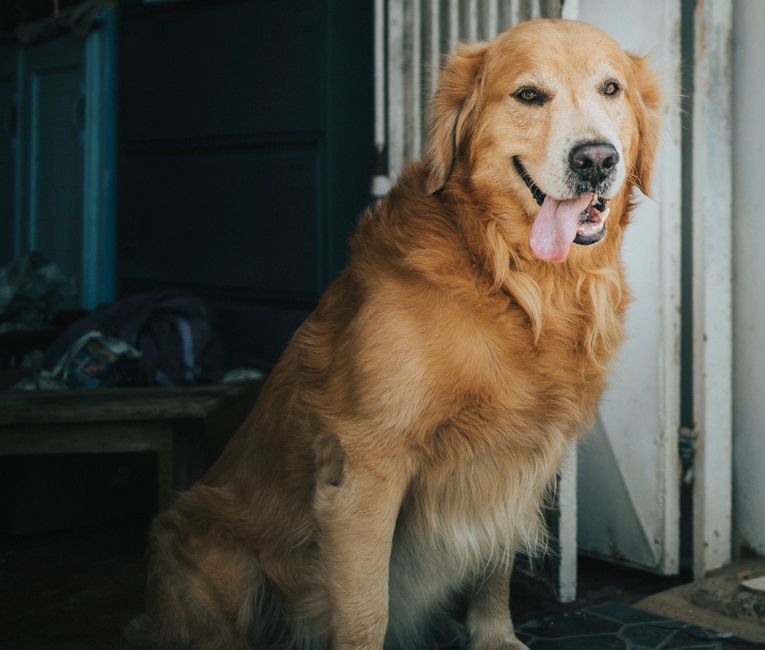
Panting is your dog’s primary method of cooling down, much like how humans sweat. Unlike us, dogs only have sweat glands in their paw pads, making panting their most effective way to regulate body temperature. Normal panting typically occurs when your dog is hot, excited, or has been physically active.
Healthy panting usually involves steady, rhythmic breathing with the tongue hanging out. Your dog should be able to close their mouth and breathe normally when they calm down or cool off. Most dogs will pant for 10-30 minutes after exercise or when temperatures are warm, and this is completely normal behavior.

When Dog Excessive Panting Becomes a Concern
While panting is natural, excessive panting can indicate various health problems. Recognizing the warning signs early can make a significant difference in your dog’s treatment and recovery.
Key Warning Signs to Watch For
Several red flags should prompt you to consider whether your dog’s panting is normal or concerning:
- Sudden onset panting without obvious cause (no heat, exercise, or excitement)
- Heavy panting at rest or during cool weather
- Panting accompanied by drooling, especially thick or excessive saliva
- Difficulty breathing or gasping for air
- Pale or blue gums and tongue
- Restlessness or inability to settle while panting
- Panting that doesn’t subside after cooling down or resting
- Changes in panting patterns or intensity
Medical Conditions That Cause Excessive Panting
Understanding the potential health issues behind abnormal panting can help you make informed decisions about your pet’s care:
Heat stroke is one of the most serious causes, especially during summer months. Dogs with thick coats, flat faces, or those who are overweight are particularly susceptible.
Heart disease often manifests through increased panting, as the heart struggles to pump blood efficiently. This type of panting typically worsens with activity and may be accompanied by coughing.
Respiratory issues such as pneumonia, asthma, or laryngeal paralysis can cause labored breathing and excessive panting. These conditions require immediate veterinary attention.

Age-Related and Breed-Specific Considerations
Senior dogs often experience increased panting due to age-related conditions like arthritis pain, cognitive dysfunction, or decreased heart efficiency. What might be normal for a young, healthy dog could be concerning in an older pet.
Certain breeds are naturally prone to breathing difficulties. Brachycephalic breeds (those with flat faces) like Bulldogs, Pugs, and Boston Terriers may pant more than other dogs due to their compressed airways. However, even for these breeds, sudden changes in panting patterns warrant veterinary evaluation.
Environmental and Situational Triggers
Sometimes excessive panting stems from environmental factors rather than medical issues. Anxiety and stress can cause heavy panting, especially during thunderstorms, fireworks, or when separated from their owners. Pain from injuries or chronic conditions like arthritis can also trigger increased panting.
Certain medications, particularly steroids like prednisone, commonly cause increased panting as a side effect. If your dog recently started new medications, discuss any panting changes with your veterinarian.
What to Do When You’re Concerned
If you notice your dog’s excessive panting doesn’t seem normal, take these immediate steps:
Assess the situation quickly: Check the temperature, recent activity level, and your dog’s overall demeanor. Move your dog to a cool, well-ventilated area and offer fresh water.
Monitor vital signs: Check your dog’s gums – they should be pink and moist. Press on the gums and release; the color should return within 2 seconds. Count breathing rate when your dog is calm (normal is 10-30 breaths per minute for most dogs).
Document the episodes: Keep track of when panting occurs, how long it lasts, and any accompanying symptoms. This information will be valuable for your veterinarian.
When to Seek Emergency Care
Contact your veterinarian immediately or visit an emergency clinic if your dog shows:
- Blue or pale gums and tongue
- Collapse or extreme weakness
- Vomiting along with heavy panting
- Signs of heat stroke (excessive drooling, lethargy, vomiting)
- Inability to breathe normally
Prevention and Management Strategies
Preventing problematic panting often involves maintaining your dog’s overall health through regular veterinary checkups, maintaining a healthy weight, and ensuring adequate exercise appropriate for your dog’s age and breed.
During hot weather, provide plenty of shade and fresh water, avoid midday walks, and never leave your dog in a parked car. Create a comfortable environment at home with good air circulation and consider cooling mats for breeds prone to overheating.
For anxious dogs, work on desensitization training and consider calming aids recommended by your veterinarian. Managing underlying conditions like arthritis with appropriate medications can also reduce pain-related panting.
Conclusion: Trust Your Instincts as a Pet Owner
Determining whether your dog’s excessive panting is normal or concerning requires careful observation and understanding of your pet’s typical behavior patterns. While occasional panting after exercise or during warm weather is perfectly normal, sudden changes or persistent heavy panting without obvious cause should always be evaluated by a professional.
Remember that you know your dog better than anyone else. If something feels off about their panting behavior, don’t hesitate to consult your veterinarian. Early detection and treatment of underlying health issues can significantly improve your dog’s quality of life and prevent more serious complications. Your vigilance and quick action could make all the difference in keeping your beloved companion healthy and happy for years to come.