Is My Dog Having Nightmares? Understanding Canine Sleep Behavior
You’re watching your beloved furry friend sleep peacefully when suddenly they start whimpering, their legs begin paddling frantically, and their body twitches uncontrollably. As a caring pet owner, you might wonder: “Is my dog having nightmares?” This concerning behavior is more common than you might think, and understanding your dog’s sleep patterns can help you determine when to worry and when to simply let sleeping dogs lie. Let’s explore the fascinating world of canine sleep behavior and discover what’s really happening when your dog appears to be dreaming.

Do Dogs Actually Dream?
The short answer is yes – dogs do dream, and their sleep cycles are remarkably similar to humans. Research has shown that dogs experience REM (Rapid Eye Movement) sleep, which is the stage where most vivid dreaming occurs. During this phase, dogs process their daily experiences, consolidate memories, and yes, they can even have dreams that might resemble what we consider nightmares.
Studies using EEG technology have revealed that dogs have sleep patterns very similar to humans, cycling through light sleep, deep sleep, and REM phases. The average dog spends about 12-14 hours sleeping per day, with puppies and senior dogs requiring even more rest. During REM sleep, which typically occurs in 20-minute intervals, your dog’s brain activity increases significantly, leading to the twitching, paddling, and vocalizations you might observe.
Common Signs of Dog Sleep Behavior
Normal Sleep Movements
Understanding why dogs twitch sleeping is crucial for distinguishing between normal dream behavior and potential health concerns. Here are typical signs of normal dog sleep behavior:
- Gentle leg paddling: Your dog may appear to be running or walking in their sleep
- Soft whimpering or barking: Quiet vocalizations during sleep are completely normal
- Eye movements: You might notice their eyes moving beneath closed lids
- Tail wagging: Even sleeping dogs can wag their tails during pleasant dreams
- Facial twitches: Small movements of the ears, nose, or mouth
When to Be Concerned
While most dog sleep behavior is perfectly normal, there are instances when you should pay closer attention:
- Violent or aggressive movements that seem excessive
- Difficulty waking up from sleep episodes
- Frequent night terrors that disrupt sleep quality
- Signs of distress that continue after waking
- Changes in sleep patterns or increased frequency of episodes
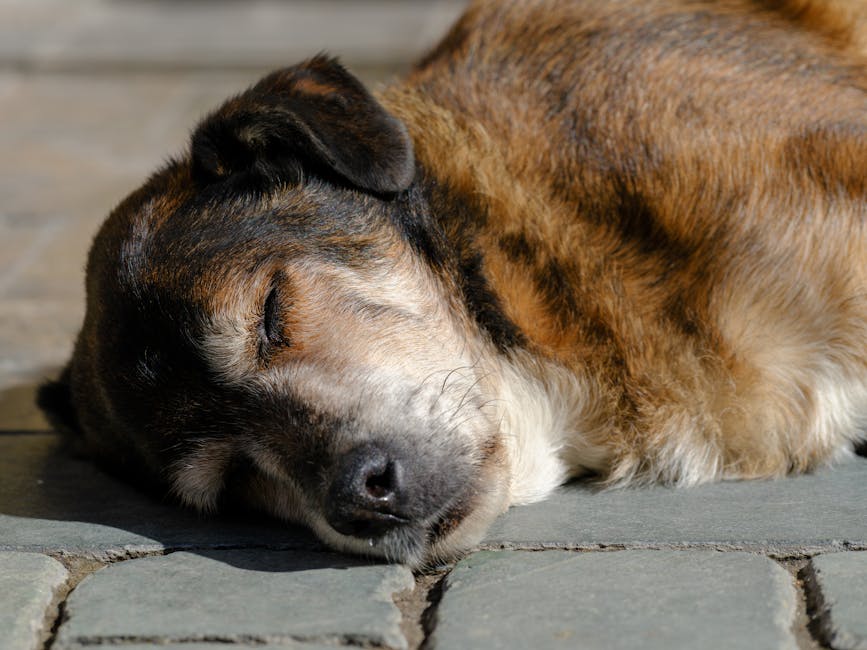
Understanding Dog Nightmares vs. Normal Dreams
Dog nightmares are essentially disturbing dreams that can cause distress during sleep. Just like humans, dogs can experience anxiety-inducing dreams based on their daily experiences, past traumas, or general stress levels. However, it’s important to understand that what might appear as nightmares could simply be your dog reliving exciting or stimulating experiences from their day.
The key difference between normal dreaming and potential nightmares lies in the intensity and your dog’s reaction upon waking. Dogs experiencing normal dreams typically wake up easily and return to their calm state quickly. Those having more distressing dreams might seem disoriented, anxious, or agitated when they wake up.
Factors That Influence Dog Sleep Behavior
Age and Life Stage
Puppies and senior dogs tend to experience more active sleep periods. Puppies are processing numerous new experiences, while older dogs might have more fragmented sleep due to age-related changes in their brain chemistry and overall health.
Breed Characteristics
Some breeds are naturally more active dreamers. Working breeds and high-energy dogs often display more pronounced sleep movements, possibly dreaming about their daily activities or instinctual behaviors.
Daily Experiences and Stress
Dogs that have had particularly exciting, stressful, or traumatic days may experience more vivid dreams. Changes in routine, new environments, or anxiety-inducing situations can all contribute to more active sleep behavior.

Practical Tips for Managing Your Dog’s Sleep
Creating a Comfortable Sleep Environment
To promote peaceful sleep and potentially reduce the occurrence of disturbing dreams, consider these practical steps:
- Establish a consistent bedtime routine: Regular schedules help regulate your dog’s sleep cycles
- Provide a comfortable sleeping area: A cozy bed in a quiet, safe location
- Manage evening activities: Avoid overstimulating play right before bedtime
- Consider calming aids: Soft music, aromatherapy, or anxiety wraps can promote relaxation
What NOT to Do
When you notice your dog displaying active sleep behavior, resist the urge to immediately wake them up. Suddenly waking a dreaming dog can be disorienting and potentially lead to confusion or defensive reactions. Instead, observe from a distance and only intervene if the behavior seems excessively violent or distressing.
When to Consult Your Veterinarian
While most dog sleep behavior is normal, there are situations that warrant professional attention. Contact your veterinarian if you notice:
- Significant changes in sleep patterns
- Extremely violent or prolonged episodes
- Signs of pain or discomfort during sleep
- Difficulty returning to normal behavior after waking
- Sleep disturbances that affect your dog’s daily quality of life
Conclusion
Understanding your dog’s sleep behavior, including the possibility of dog nightmares, is an essential part of responsible pet ownership. While it can be concerning to watch your furry friend twitch, whimper, or paddle during sleep, these behaviors are typically completely normal expressions of their dream state. By recognizing the difference between normal dreaming and potentially problematic sleep disturbances, you can ensure your dog gets the restful sleep they need while knowing when to seek professional guidance. Remember, a well-rested dog is a happy, healthy companion, and understanding why dogs twitch sleeping helps you provide the best care for your four-legged family member.