Is My Dog Having a Stroke? Warning Signs Every Pet Owner Should Know
Picture this: you’re relaxing with your furry companion when suddenly they start acting strange – stumbling, tilting their head, or seeming confused and disoriented. Your heart races as you wonder, “Is my dog having a stroke?” While strokes in dogs are less common than in humans, they do occur and recognizing the warning signs can be crucial for your pet’s health and recovery. Understanding these emergency symptoms and knowing when to act quickly could make all the difference in your dog’s outcome.
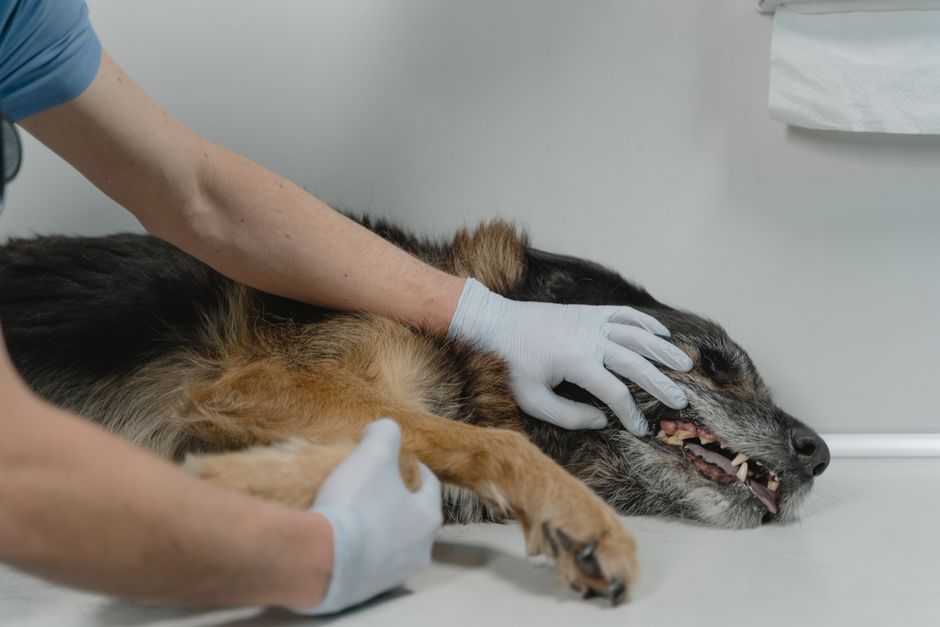
Understanding Strokes in Dogs
A stroke occurs when blood flow to the brain is interrupted, either by a blocked blood vessel (ischemic stroke) or bleeding in the brain (hemorrhagic stroke). While dog stroke incidents are relatively rare compared to humans, they can happen to canines of any age, though senior dogs are at higher risk. The key difference between human and canine strokes is that dogs often have a better chance of recovery due to their brain’s remarkable ability to adapt and compensate.
What Causes Strokes in Dogs?
Several underlying conditions can trigger a stroke in your pet, including:
- High blood pressure (hypertension)
- Heart disease
- Diabetes
- Kidney disease
- Cushing’s disease
- Blood clotting disorders
- Brain tumors
- Severe parasitic infections
Critical Dog Stroke Symptoms to Watch For
Recognizing the signs of a potential stroke is essential for every pet owner. Unlike humans who can verbally communicate their symptoms, dogs rely on us to observe their behavioral and physical changes.
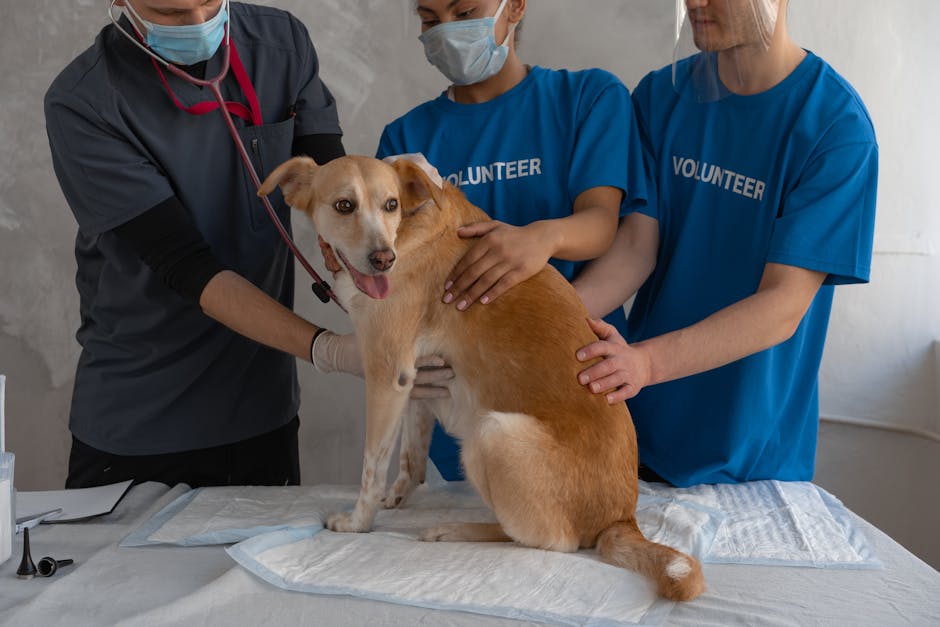
Immediate Physical Warning Signs
The most obvious dog stroke symptoms often appear suddenly and may include:
Loss of Balance and Coordination: Your dog may stumble, fall over, or appear drunk-like in their movements. They might walk in circles or lean heavily to one side.
Head Tilting: A persistent head tilt that doesn’t resolve, often accompanied by the dog appearing unable to straighten their head normally.
Abnormal Eye Movements: Watch for rapid, involuntary eye movements (nystagmus), eyes that appear to dart back and forth, or pupils of different sizes.
Facial Drooping: Similar to humans, dogs may show drooping on one side of their face, difficulty closing one eye, or an asymmetrical facial expression.
Behavioral and Neurological Signs
Beyond physical symptoms, stroke warning signs in dogs often manifest as sudden behavioral changes:
Confusion and Disorientation: Your normally well-oriented pet may seem lost in familiar surroundings, appear confused about routine activities, or fail to respond to their name.
Weakness or Paralysis: Sudden weakness, particularly on one side of the body, or complete inability to move certain limbs are serious emergency symptoms that require immediate attention.
Vision Problems: Your dog might bump into furniture, miss their food bowl, or show signs of partial or complete vision loss.
Abnormal Behavior: Unusual aggression, excessive hiding, or dramatic personality changes can indicate neurological distress.
When It’s a True Emergency
Some dog stroke symptoms require immediate veterinary intervention. Consider it an emergency situation if your dog experiences:
- Sudden collapse or loss of consciousness
- Seizures
- Complete inability to walk or stand
- Difficulty breathing
- Severe disorientation lasting more than a few minutes
- Vomiting combined with neurological symptoms
Remember: when in doubt, it’s always better to err on the side of caution and contact your veterinarian immediately.

What to Do If You Suspect a Stroke
If you notice potential stroke warning signs in your dog, follow these critical steps:
Immediate Actions
Stay Calm: Your dog can sense your anxiety, which may increase their stress levels during an already frightening experience.
Ensure Safety: Gently move your dog to a safe, comfortable area away from stairs or other hazards where they might hurt themselves.
Document Symptoms: Take note of what you observe – when symptoms started, their severity, and any changes. This information is valuable for your veterinarian.
Contact Your Vet: Call your veterinary clinic or emergency animal hospital immediately to describe the symptoms and get professional guidance.
What NOT to Do
Avoid these common mistakes during a suspected stroke emergency:
- Don’t try to force your dog to walk or move
- Don’t give any medications unless specifically instructed by a veterinarian
- Don’t wait to see if symptoms improve on their own
- Don’t attempt to give food or water if your dog is having difficulty swallowing
Prevention and Long-term Care
While not all strokes are preventable, you can reduce your dog’s risk by:
- Maintaining regular veterinary checkups to monitor for underlying conditions
- Managing chronic health issues like diabetes or heart disease
- Providing a healthy diet and regular exercise
- Monitoring your senior dog more closely for any changes
Many dogs who experience strokes can recover significantly with proper veterinary care, physical therapy, and patient, loving support from their owners.
Conclusion
Recognizing dog stroke symptoms and understanding when warning signs constitute an emergency can be lifesaving knowledge for any pet owner. While the prospect of your beloved companion experiencing a stroke is frightening, remember that quick recognition and prompt veterinary care significantly improve outcomes. Trust your instincts – if something seems wrong with your dog’s behavior or movement, don’t hesitate to seek professional help. Your vigilance and quick action during these critical moments can make all the difference in your dog’s recovery and quality of life. Stay informed, stay alert, and never underestimate the importance of immediate veterinary care when emergency symptoms arise.