Is My Cat’s Excessive Meowing Normal or a Health Warning?
If your feline friend has suddenly turned into a chatterbox or seems to be meowing more than usual, you’re not alone in wondering whether this behavior is normal. Cat excessive meowing can range from adorable conversations to concerning health signals, and understanding the difference is crucial for every pet parent. While cats naturally communicate through various vocalizations, a sudden increase in meowing frequency or intensity could indicate anything from attention-seeking behavior to underlying medical issues that require immediate veterinary attention.
Understanding Normal Cat Vocalization Patterns
Before diving into potential concerns, it’s essential to understand that cats are naturally vocal creatures with individual personalities. Some breeds, like Siamese and Oriental cats, are notorious chatterboxes who maintain running conversations with their humans throughout the day. Others, like British Shorthairs, tend to be more reserved in their vocal expressions.
Normal cat meowing typically occurs during:
- Greeting rituals when you arrive home
- Mealtime requests and food-related communications
- Attention-seeking moments for petting or play
- Territory announcements, especially near windows
- Social interactions with other cats or humans
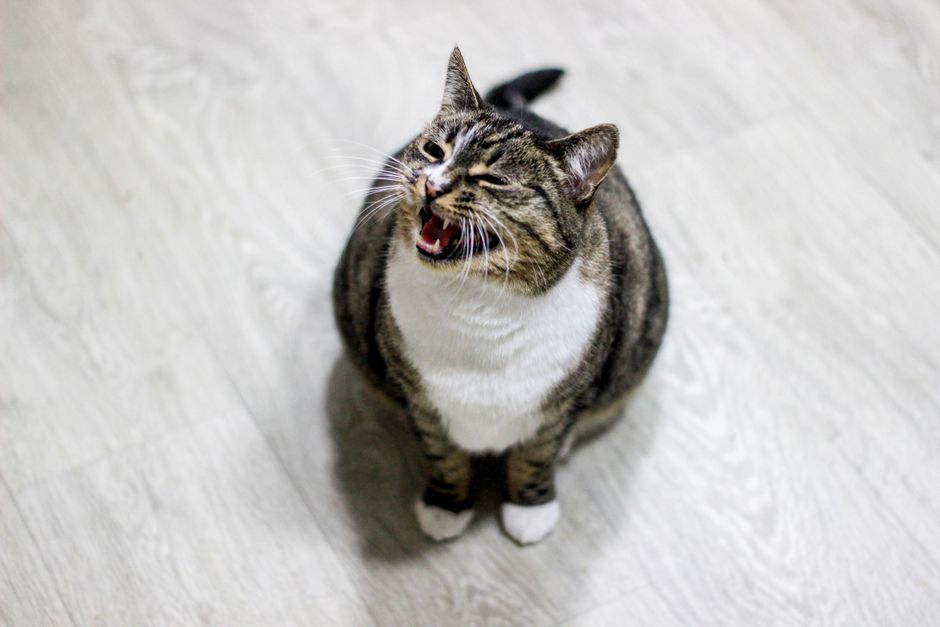
When Cat Excessive Meowing Becomes a Concern
Understanding why cats meow too much requires recognizing the difference between normal communication and potential warning signs. Excessive meowing that warrants attention typically involves sudden changes in your cat’s usual vocal patterns, persistent meowing without apparent cause, or vocalizations accompanied by other behavioral changes.
Behavioral Causes of Increased Meowing
Not all excessive meowing indicates health problems. Common behavioral reasons include:
Attention-Seeking Behavior: Cats quickly learn that meowing gets human attention. If you consistently respond to every meow with food, petting, or interaction, you may inadvertently encourage excessive vocalization.
Boredom and Understimulation: Indoor cats without adequate mental and physical stimulation often develop excessive meowing as an outlet for their energy and frustration.
Environmental Changes: Moving to a new home, introducing new pets, or significant changes in household routines can trigger increased vocalization as cats express their stress or confusion.
Aging-Related Confusion: Senior cats may experience cognitive changes that lead to increased meowing, particularly during nighttime hours when they feel disoriented.

Medical Reasons Behind Excessive Meowing
Cat vocalization health concerns should never be ignored, especially when meowing patterns change dramatically. Several medical conditions can cause increased vocalization:
Pain and Discomfort: Cats experiencing pain from arthritis, dental problems, or internal issues often express their discomfort through increased meowing. This is particularly common in senior cats who may suffer from joint pain.
Hyperthyroidism: This common condition in older cats causes increased metabolism, leading to excessive hunger, weight loss, and often increased vocalization as cats demand more food or express discomfort.
Kidney Disease: Chronic kidney disease can cause cats to feel nauseated or uncomfortable, leading to increased meowing as they communicate their distress.
Hearing Loss: Cats with hearing impairments may meow excessively because they cannot gauge their own volume or may feel more anxious due to their reduced sensory input.
Cognitive Dysfunction: Similar to dementia in humans, feline cognitive dysfunction can cause confusion, disorientation, and excessive vocalization, particularly at night.
Practical Solutions for Managing Excessive Meowing
Addressing cat excessive meowing requires a multi-faceted approach that considers both behavioral and potential medical factors.
Immediate Assessment Steps
Start by observing your cat’s overall behavior and noting any patterns. Keep a meowing diary for several days, recording when excessive vocalization occurs, what triggers it, and any accompanying symptoms like changes in appetite, litter box habits, or activity levels.
Check for obvious signs of distress or discomfort, such as hiding, changes in grooming habits, or reluctance to move. These observations will be valuable information for your veterinarian.
Environmental Enrichment Solutions
For behaviorally-driven excessive meowing, environmental enrichment often provides significant improvement:
- Increase interactive playtime with puzzle toys and hunting games
- Provide vertical spaces like cat trees and shelving for climbing
- Establish consistent daily routines for feeding and interaction
- Create window viewing areas with bird feeders for entertainment
- Consider companion animals if your cat seems lonely
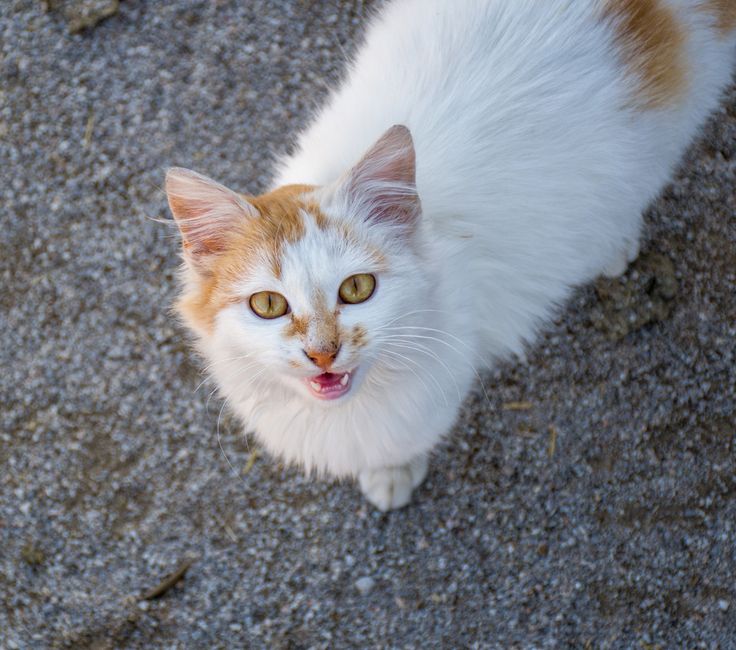
Training and Behavior Modification
Avoid reinforcing excessive meowing by not responding immediately to every vocalization. Instead, reward quiet behavior with attention and treats. Establish specific times for interaction and stick to these schedules to help your cat develop predictable expectations.
For nighttime meowing, ensure your cat has adequate daytime stimulation and consider providing comfort items like heated beds or familiar scents near their sleeping area.
When to Seek Veterinary Care
Schedule a veterinary appointment if your cat’s excessive meowing is accompanied by:
- Changes in eating or drinking habits
- Litter box avoidance or changes in elimination patterns
- Weight loss or gain
- Lethargy or increased hiding behavior
- Signs of pain like reluctance to jump or move
- Sudden onset of excessive vocalization in previously quiet cats
Senior cats (over 7 years old) should receive prompt veterinary evaluation for any significant changes in vocalization patterns, as they’re more susceptible to age-related health conditions.
Conclusion
Understanding whether your cat’s excessive meowing is normal communication or a health warning requires careful observation and consideration of multiple factors. While some cats are naturally more vocal than others, sudden changes in meowing patterns should never be ignored. By combining environmental enrichment, behavioral modifications, and appropriate veterinary care when needed, you can address excessive meowing while ensuring your feline companion remains healthy and happy. Remember that your cat’s vocalizations are their primary way of communicating with you – learning to interpret these sounds accurately strengthens your bond and helps you provide the best possible care for your furry family member.