Is My Cat Actually Sick or Just Being Dramatic? 7 Warning Signs to Watch
Every cat owner has been there – your feline friend suddenly starts acting like they’re auditioning for a soap opera, complete with dramatic sighs, mysterious hiding sessions, and theatrical refusal of their favorite treats. But here’s the million-dollar question: is your cat genuinely unwell, or are they simply showcasing their natural flair for the dramatic? While cats are indeed masters of melodrama, they’re also experts at hiding illness. Learning to distinguish between normal cat theatrics and genuine cat sick symptoms could be the difference between unnecessary vet visits and catching a serious health issue early.
Understanding Your Cat’s Normal Drama vs. Real Health Concerns
Cats have evolved as both predators and prey animals, which means they’ve developed an incredible ability to mask pain and illness. This survival instinct, combined with their naturally dramatic personalities, can make it challenging to determine when to worry about cat behavior. The key is knowing your individual cat’s baseline personality and recognizing when changes in behavior cross the line from quirky to concerning.
The 7 Critical Cat Health Warning Signs You Can’t Ignore
1. Changes in Eating and Drinking Habits
While your cat might occasionally turn their nose up at dinner to make a point about the new food bowl placement, significant changes in appetite warrant attention. Cat health warning signs related to eating include complete loss of appetite for more than 24 hours, dramatically increased hunger, or sudden changes in drinking habits. Increased water consumption, in particular, can signal diabetes, kidney disease, or hyperthyroidism.
2. Litter Box Drama That’s Actually Serious
Yes, cats can be picky about litter box cleanliness, but certain changes aren’t just preferences. Watch for straining to urinate, blood in urine, urinating outside the box, or changes in stool consistency. These cat sick symptoms could indicate urinary tract infections, blockages, or digestive issues that require immediate veterinary care.
3. Breathing and Respiratory Changes
Unlike dogs, healthy cats rarely pant or breathe with their mouths open. If you notice labored breathing, wheezing, coughing, or open-mouth breathing when your cat isn’t stressed or overheated, this is a serious red flag. Respiratory distress in cats can escalate quickly and requires emergency veterinary attention.
4. Mobility and Activity Level Shifts
While senior cats naturally slow down, sudden changes in mobility shouldn’t be dismissed as normal aging drama. Limping, reluctance to jump, hiding in unusual places, or dramatic decreases in activity levels can signal arthritis, injury, or other health issues. Pay attention to subtle changes like hesitating before jumping onto furniture or taking longer to get comfortable.
5. Grooming Behavior Extremes
Cats are meticulous groomers, but both over-grooming and under-grooming can indicate problems. Excessive licking that creates bald spots might signal stress, allergies, or skin conditions. Conversely, a typically well-groomed cat that suddenly appears unkempt may be dealing with pain, obesity, or illness that makes grooming difficult.
6. Vocalization Pattern Changes
We all know cats can be chatty, but significant changes in vocal patterns deserve attention. A typically quiet cat that becomes extremely vocal, or a chatty cat that goes silent, could be trying to communicate discomfort. Particularly concerning are new types of vocalizations, such as yowling, excessive meowing at night, or sounds that seem to indicate pain.
7. Physical Appearance Red Flags
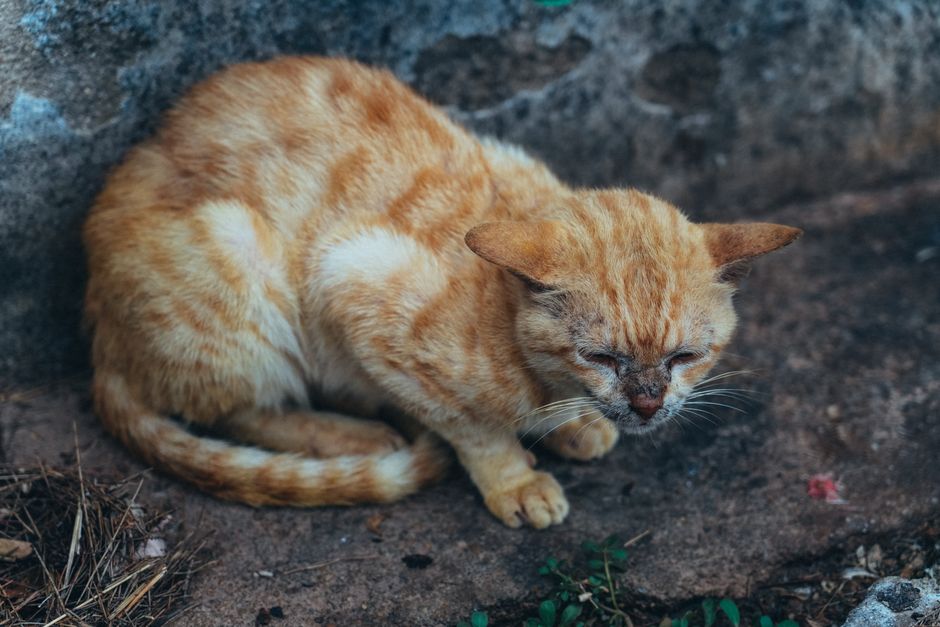
Regular hands-on interaction with your cat helps you notice physical changes early. Cat health warning signs to watch for include unexplained weight loss or gain, changes in coat quality, swelling, lumps, pale gums, or discharge from eyes or nose. These symptoms rarely resolve on their own and typically indicate underlying health issues.
When Dramatic Behavior is Actually Normal
Understanding normal cat drama helps you avoid unnecessary panic. Typical feline theatrics include:
- Refusing food because you switched brands without proper introduction
- Hiding when visitors arrive or during household changes
- Demanding attention at inconvenient times
- Knocking items off counters to make a point
- Temporary sulking after vet visits or medication
Taking Action: When and How to Respond
Knowing when to worry about cat behavior comes down to trusting your instincts and understanding your cat’s normal patterns. If you notice any combination of the warning signs above, or if your gut tells you something is wrong, don’t hesitate to contact your veterinarian. It’s better to err on the side of caution than to miss early signs of serious illness.
Keep a simple log of concerning behaviors, including when they started, their frequency, and any potential triggers. This information proves invaluable during veterinary consultations and helps ensure accurate diagnosis and treatment.
Prevention is Your Best Strategy
Regular veterinary check-ups, maintaining consistent routines, providing enriching environments, and staying attuned to your cat’s normal behavior patterns are your best defenses against missing important health changes. Annual wellness exams (or bi-annual for senior cats) can catch issues before they become emergencies.
Trust Your Parental Instincts
Living with a cat means becoming fluent in the subtle language of feline communication. While cats are indeed natural performers with a flair for drama, they’re also masters at hiding genuine illness. By understanding these seven critical cat sick symptoms and cat health warning signs, you’ll be better equipped to distinguish between normal cat theatrics and situations that require professional veterinary attention. Remember, you know your cat better than anyone – when in doubt, trust your instincts and consult with your veterinarian. Your vigilance and quick action could make all the difference in maintaining your feline friend’s health and happiness for years to come.